

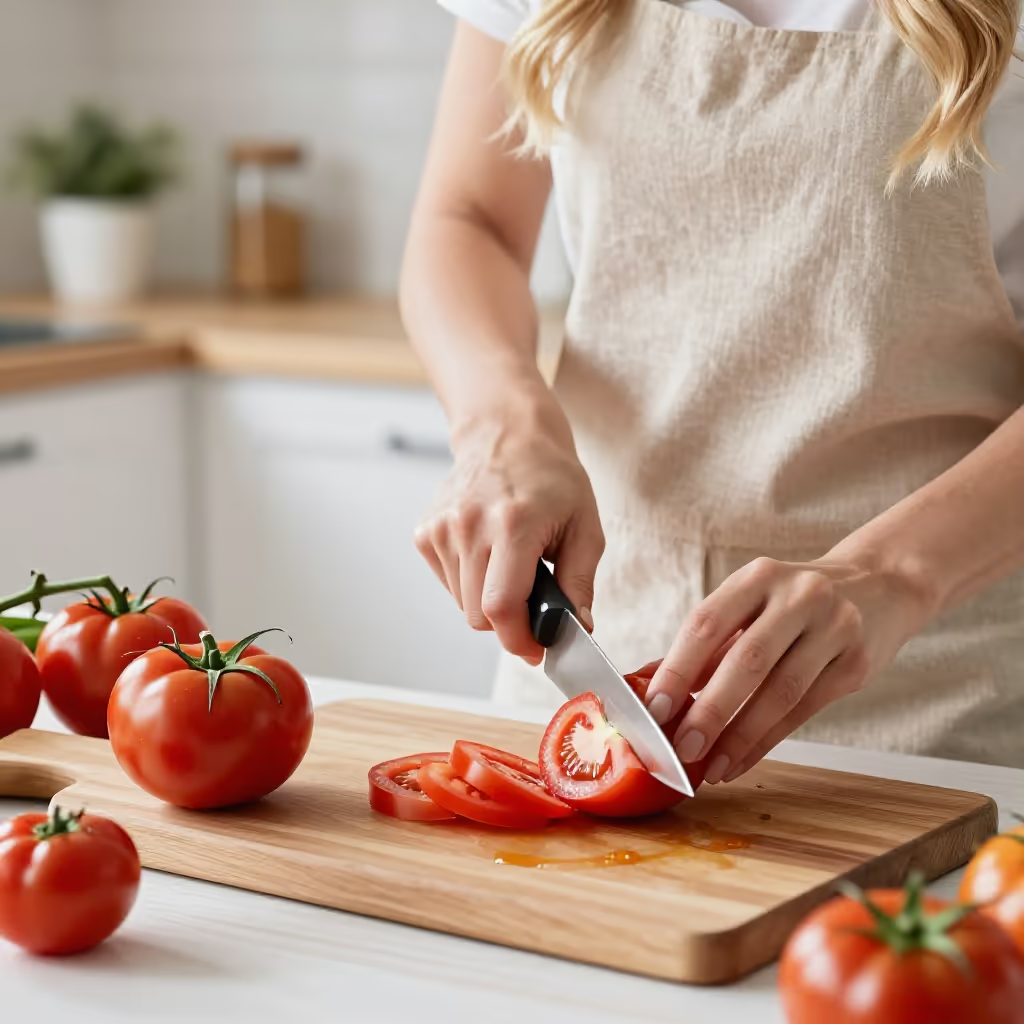
die Tomate
tomato
The edible, usually red fruit of the tomato plant, used as a vegetable in cooking.
EXAMPLE
Für die Soße brauche ich noch drei reife Tomaten.
For the sauce, I still need three ripe tomatoes.
tomato
Loading your saved state.
tomato
The edible, usually red fruit of the tomato plant, used as a vegetable in cooking.
Für die Soße brauche ich noch drei reife Tomaten.
For the sauce, I still need three ripe tomatoes.
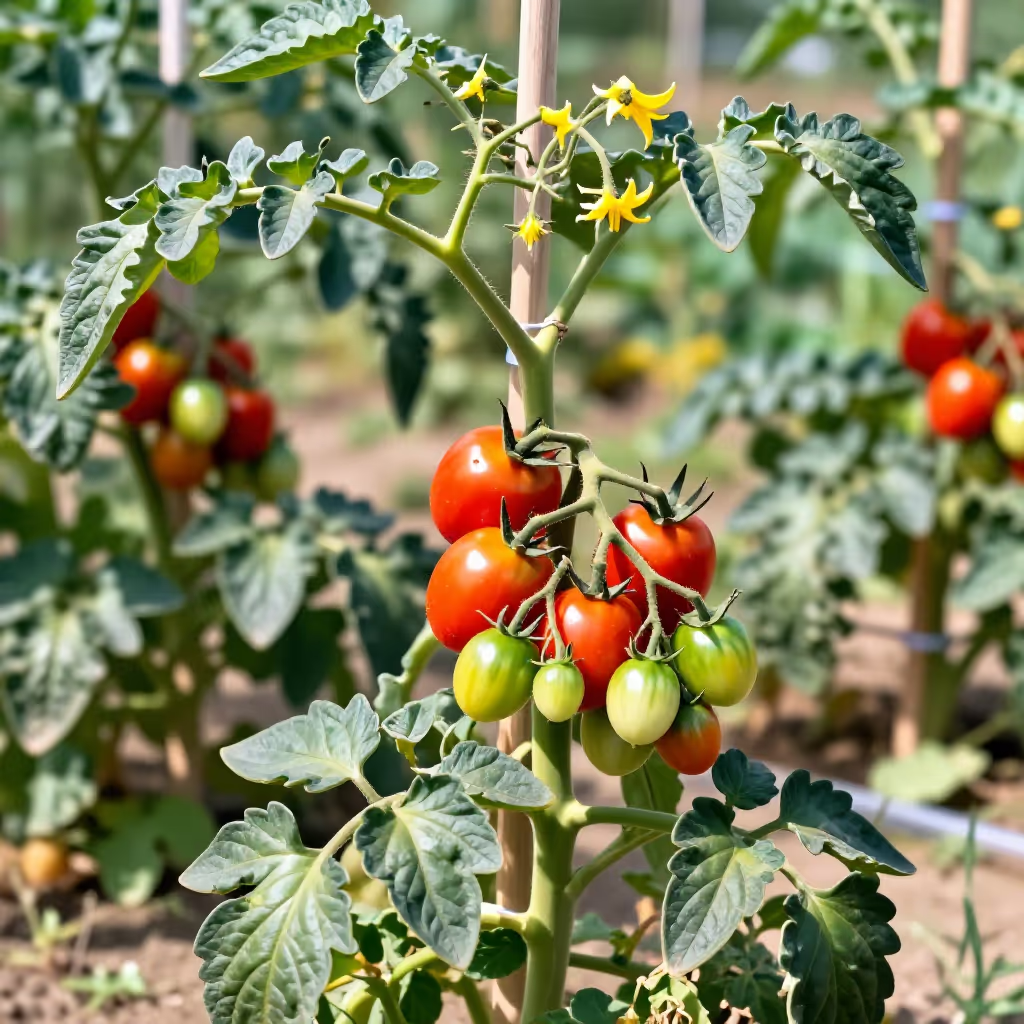
tomato plant
The plant on which tomato fruits grow.
Im Gewächshaus züchten wir unsere eigenen Tomaten.
In the greenhouse, we grow our own tomato plants.

to be blind
A colloquial idiom meaning that someone does not see or notice something obvious.
Hast du Tomaten auf den Augen? Der Schlüssel liegt direkt vor dir auf dem Tisch!
Are you blind? The key is lying right in front of you on the table!
In Austria, the word 'der Paradeiser' is very often used for 'die Tomate' (tomato). In Germany, people usually understand this expression, but rarely use it.
Für den Salat brauchen wir noch frische Paradeiser.
We still need fresh tomatoes for the salad.
The fruit is often described with adjectives that indicate its color or condition. Typical phrases are 'rote Tomaten' (red tomatoes), 'reife Tomaten' (ripe tomatoes), or 'gehackte Tomaten' (chopped tomatoes).
Für eine gute Suppe verwendet man am besten sonnengereifte Tomaten.
For a good soup, it's best to use sun-ripened tomatoes.
Whether the fruit or the plant is meant is often revealed by the verb. Verbs like 'essen' (to eat), 'schneiden' (to cut), or 'kaufen' (to buy) refer to the fruit, while 'pflanzen' (to plant), 'züchten' (to grow/breed), or 'gießen' (to water) point to the plant.
Wir müssen die Tomaten im Garten heute noch gießen.
We still have to water the tomato plants in the garden today.
The idiom 'Tomaten auf den Augen haben' (literally: to have tomatoes on one's eyes) is used as a complete verb phrase with a subject. The person who does not see something obvious comes at the beginning of the sentence.
Ich habe die E-Mail nicht gesehen, ich hatte wohl Tomaten auf den Augen.
I didn't see the email; I must have been blind.