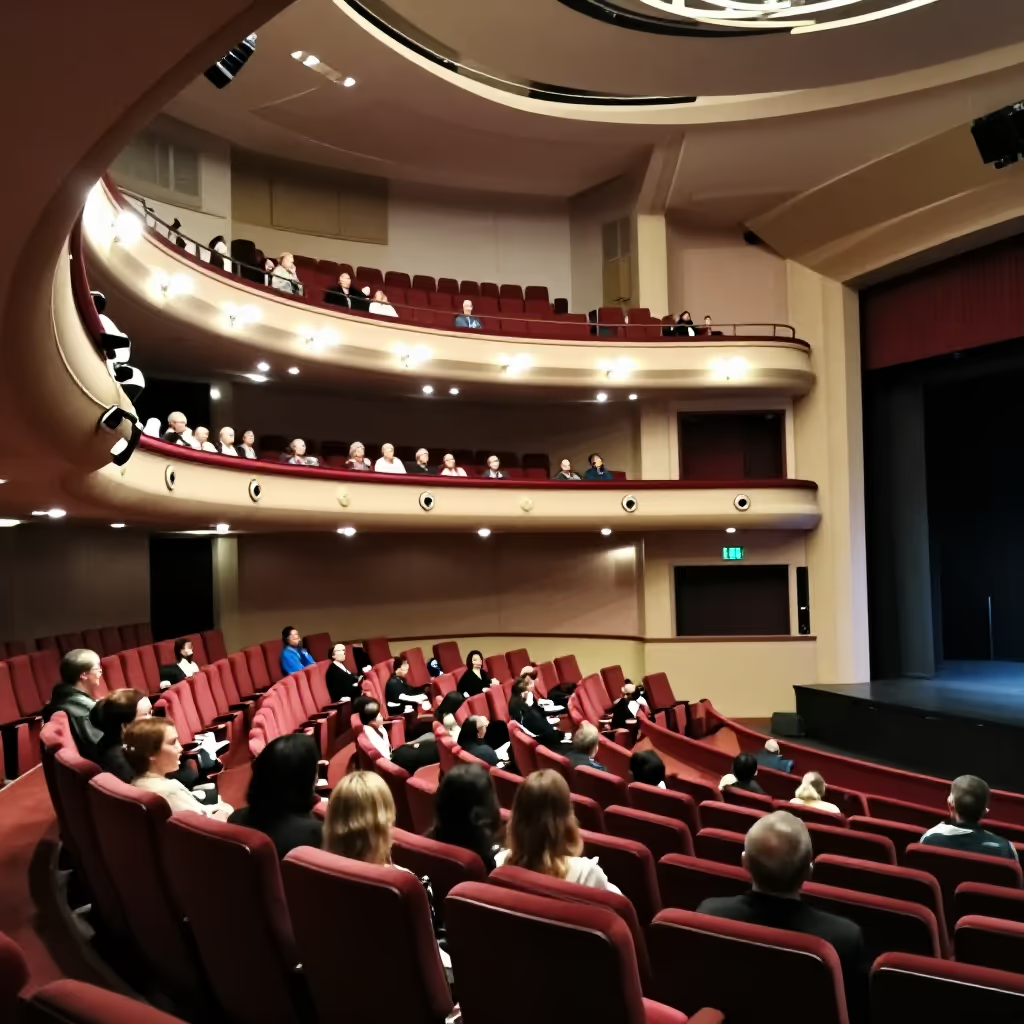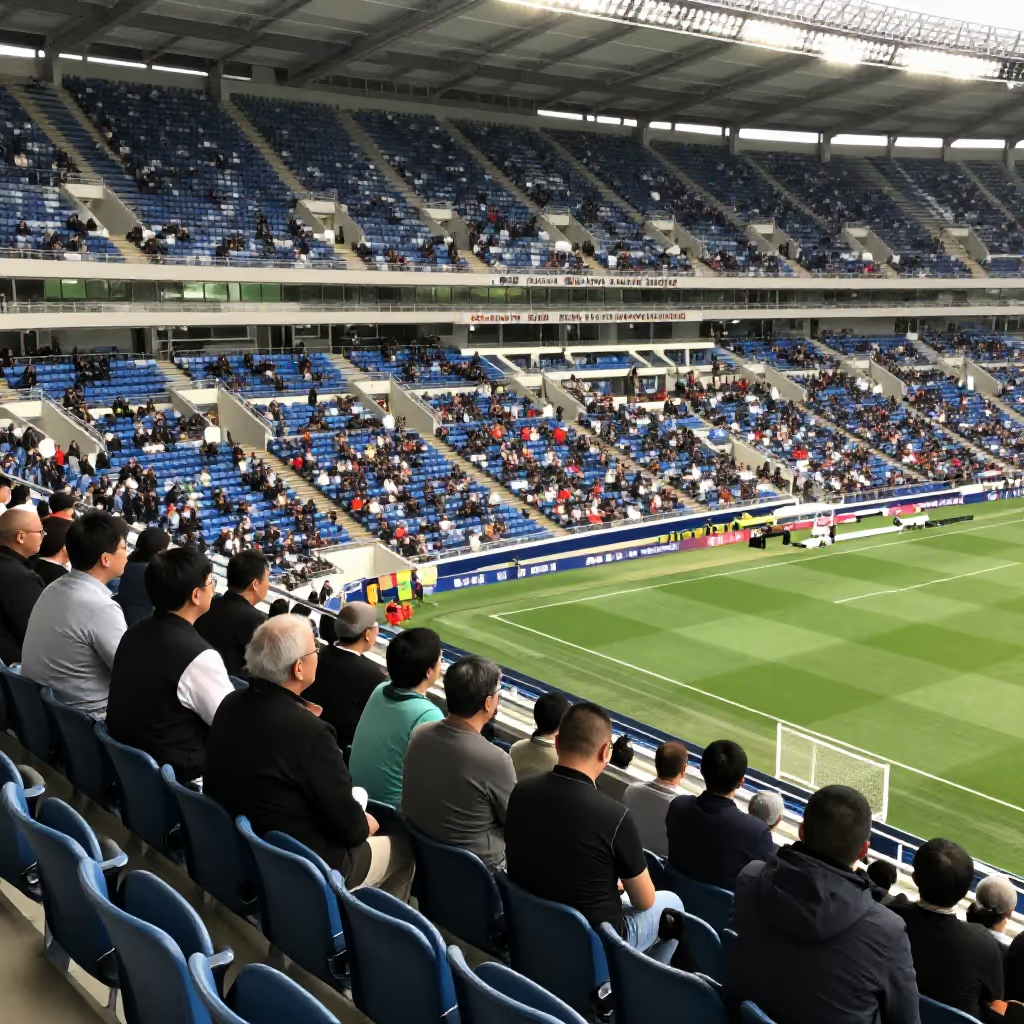
A tiered structure with seating or standing places for spectators in a stadium, sports hall, theater, or racetrack.
example
Von der Haupttribüne aus hatten wir eine perfekte Sicht auf das Spielfeld.
From the main stand, we had a perfect view of the playing field.
Usage tips
Prepositions: location vs. direction
To describe a location on the stand, German uses the preposition 'auf' with the dative. To express movement toward it, German uses 'auf' with the accusative.
EXAMPLE
Wir saßen auf der Tribüne und haben das Spiel beobachtet.
We sat in the stands and watched the game.
Typical collocations
In sports or event contexts, 'Tribüne' (stand) is often combined with verbs such as 'sitzen' (to sit), 'stehen' (to stand), or 'jubeln' (to cheer). People also speak of a 'volle' (full) or 'leere' (empty) stand.
EXAMPLE
Die Fans standen auf der Tribüne und feuerten ihre Mannschaft an.
The fans stood in the stands and cheered on their team.
Context clue: antiquity
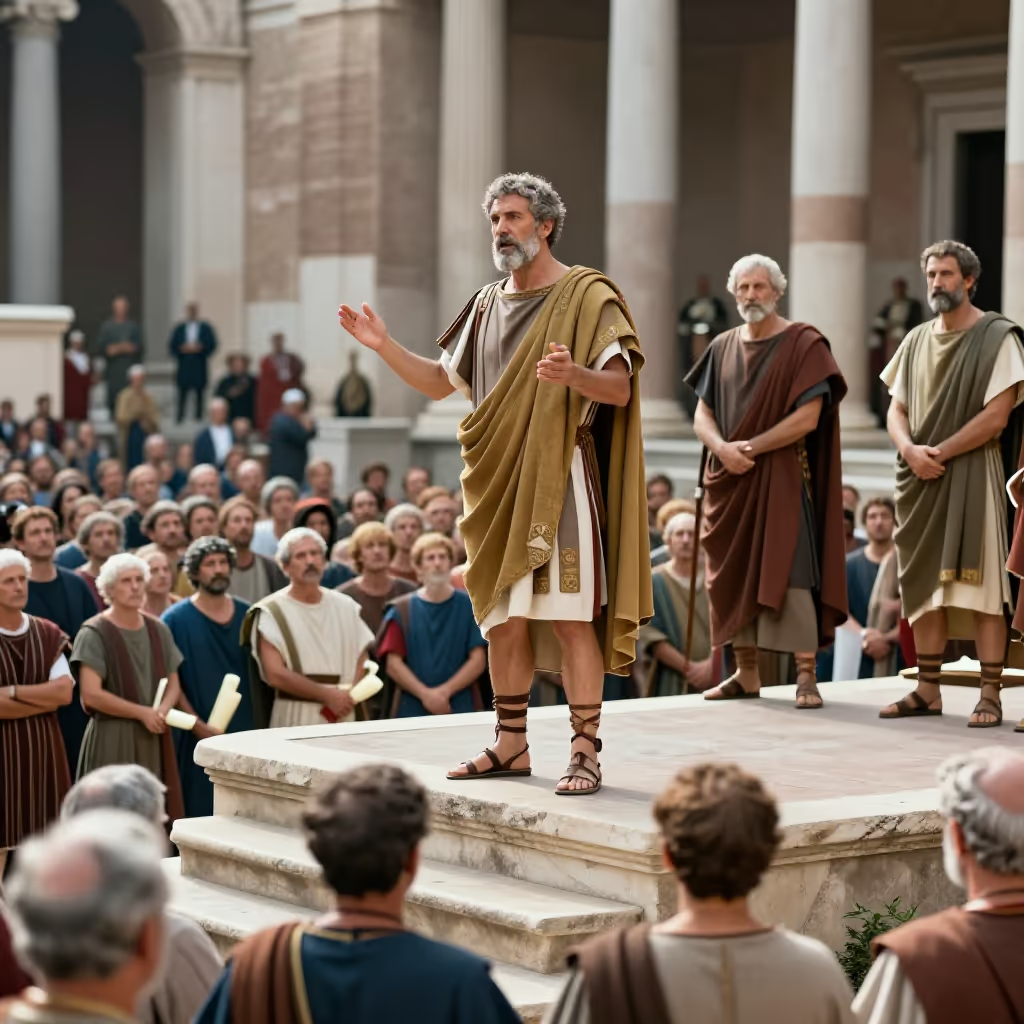
This meaning is found almost exclusively in historical texts about ancient Rome. Words like 'Senator' (senator), 'Forum' (forum), or 'Redner' (speaker) in the sentence clearly point to this historical meaning.
EXAMPLE
Der Redner sprach von der Tribüne zum römischen Volk.
The speaker addressed the Roman people from the platform.
Compare with
confusable
Tribüne vs Bühne
stage
'die Bühne' and 'die Tribüne' can both appear in theaters, halls, or stadiums, but they have different functions. The people who perform, speak, act, or make music stand on the stage. The spectators sit or stand in the stand. The words can be confused because both are often built at a raised level and belong to the same event venue. The simple distinction is: 'Bühne' for the performers, 'Tribüne' for the audience.
Tribüne
Die Eltern sitzen auf der Tribüne und schauen dem Fußballspiel zu.
The parents are sitting in the stands and watching the football match.
Bühne
In der Pause stellt die Sängerin ihr Mikrofon auf die Bühne.
During the break, the singer places her microphone on the stage.