

der Vorabend
eve
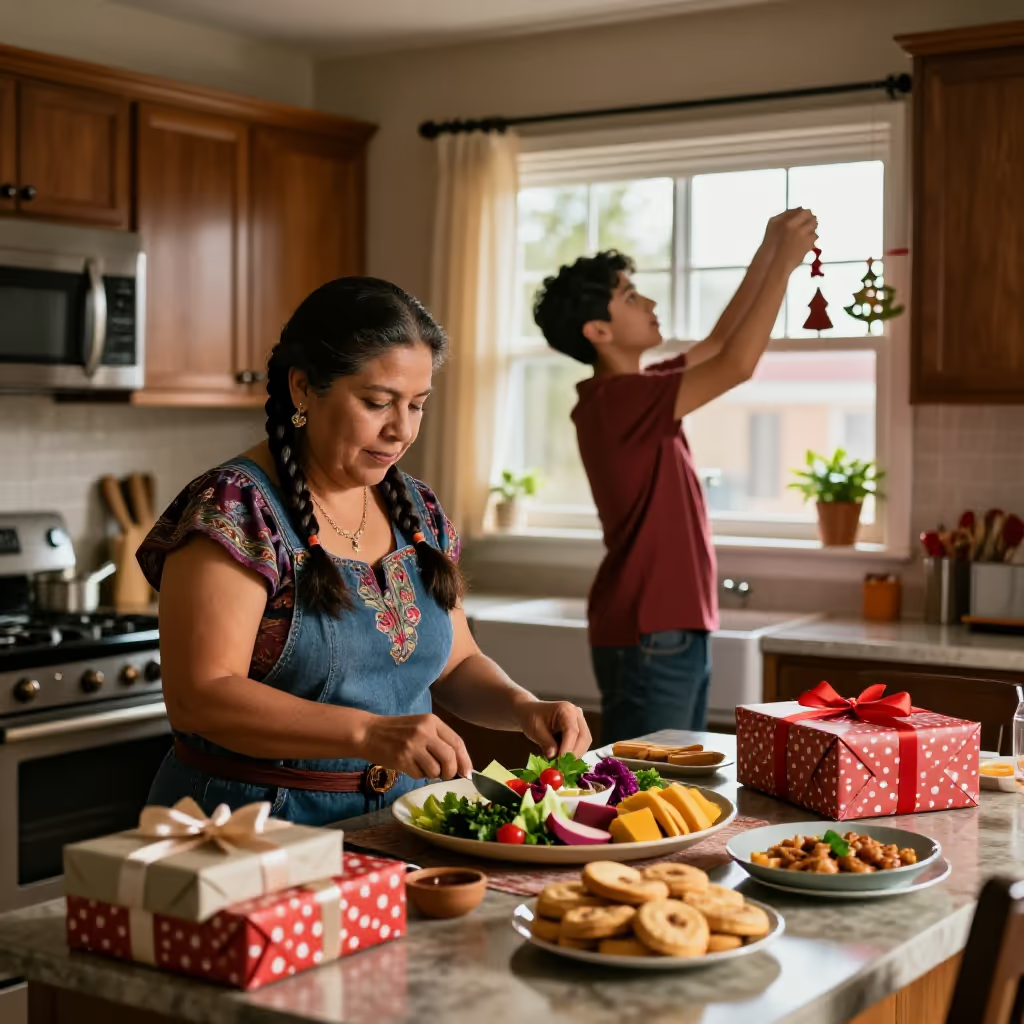
The evening or late afternoon of the day immediately before a specific holiday, event, or date.
EXAMPLE
Am Vorabend der Hochzeit waren alle sehr aufgeregt.
On the eve of the wedding, everyone was very excited.
eve
Loading your saved state.
eve
The evening or late afternoon of the day immediately before a specific holiday, event, or date.
Am Vorabend der Hochzeit waren alle sehr aufgeregt.
On the eve of the wedding, everyone was very excited.
eve
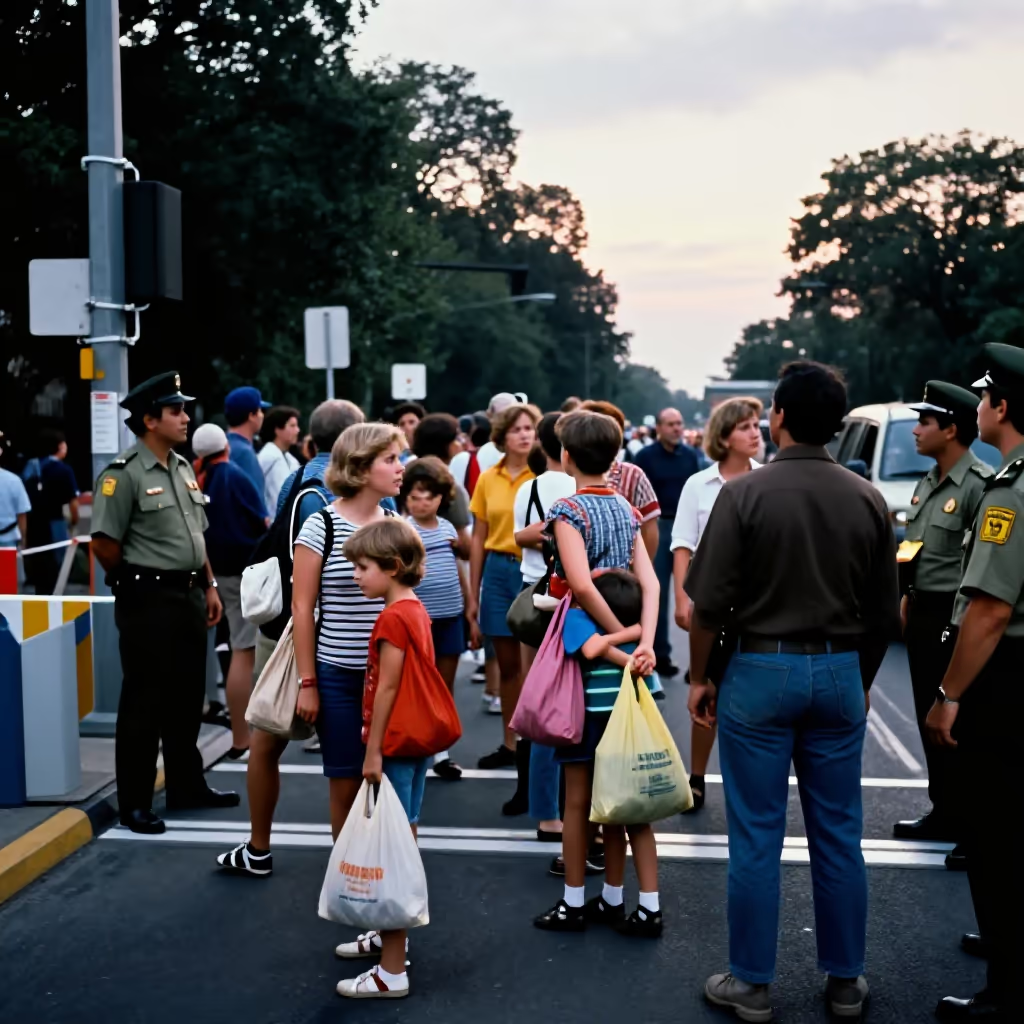
In a figurative sense: the time immediately before an important, often transformative event or a new era.
Viele Historiker sehen die späten 1980er Jahre als den Vorabend des digitalen Zeitalters.
Many historians see the late 1980s as the eve of the digital age.
'Vorabend' is made up of the preposition 'vor' (before) and the noun 'Abend' (evening). So it literally describes the evening before a specific day or event.
Am Vorabend seines Geburtstags konnte er vor Aufregung nicht schlafen.
On the eve of his birthday, he couldn't sleep because he was so excited.
The word is almost always used with the preposition 'am': 'am Vorabend' (on the eve). The event it refers to often follows in the genitive or with 'von' (of).
Wir treffen uns am Vorabend der Konferenz zu einem gemeinsamen Abendessen.
We are meeting on the eve of the conference for a group dinner.
You can recognize the figurative meaning by the fact that it refers to major, abstract, or historical events, not to specific calendar days. Typical contexts are history, politics, and culture.
Die Erfindung des Buchdrucks stand am Vorabend einer neuen Epoche.
The invention of the printing press stood on the eve of a new era.
The figurative use of 'Vorabend' (eve) is typical of an elevated, often literary or journalistic style. It is rare in everyday language.
Die Gesellschaft spürte, dass sie am Vorabend großer Veränderungen stand.
Society sensed that it stood on the eve of great changes.
previous day
Both words refer to a time before a specific event. Vortag covers the entire preceding day, whereas Vorabend refers only to its evening or late afternoon. Use Vortag for the whole day before an event and Vorabend when the evening before is specifically meant.

Am Vorabend der Prüfung legte ich meine Unterlagen bereit.
I prepared my materials on the evening before the exam.
Am Vortag der Prüfung wiederholte ich den Stoff den ganzen Tag.
I reviewed the material all day on the day before the exam.