


das A
A
The first letter of the German alphabet and the vowel it represents.
EXAMPLE
Der Name Anna beginnt mit einem A.
The name Anna begins with an A.
A
das A, die A
Loading your saved state.
A
The first letter of the German alphabet and the vowel it represents.
Der Name Anna beginnt mit einem A.
The name Anna begins with an A.

be-all and end-all
The most important thing or the essential foundation of something.
Gute Vorbereitung ist das A und O einer erfolgreichen Prüfung.
Good preparation is the be-all and end-all of success in an exam.
A
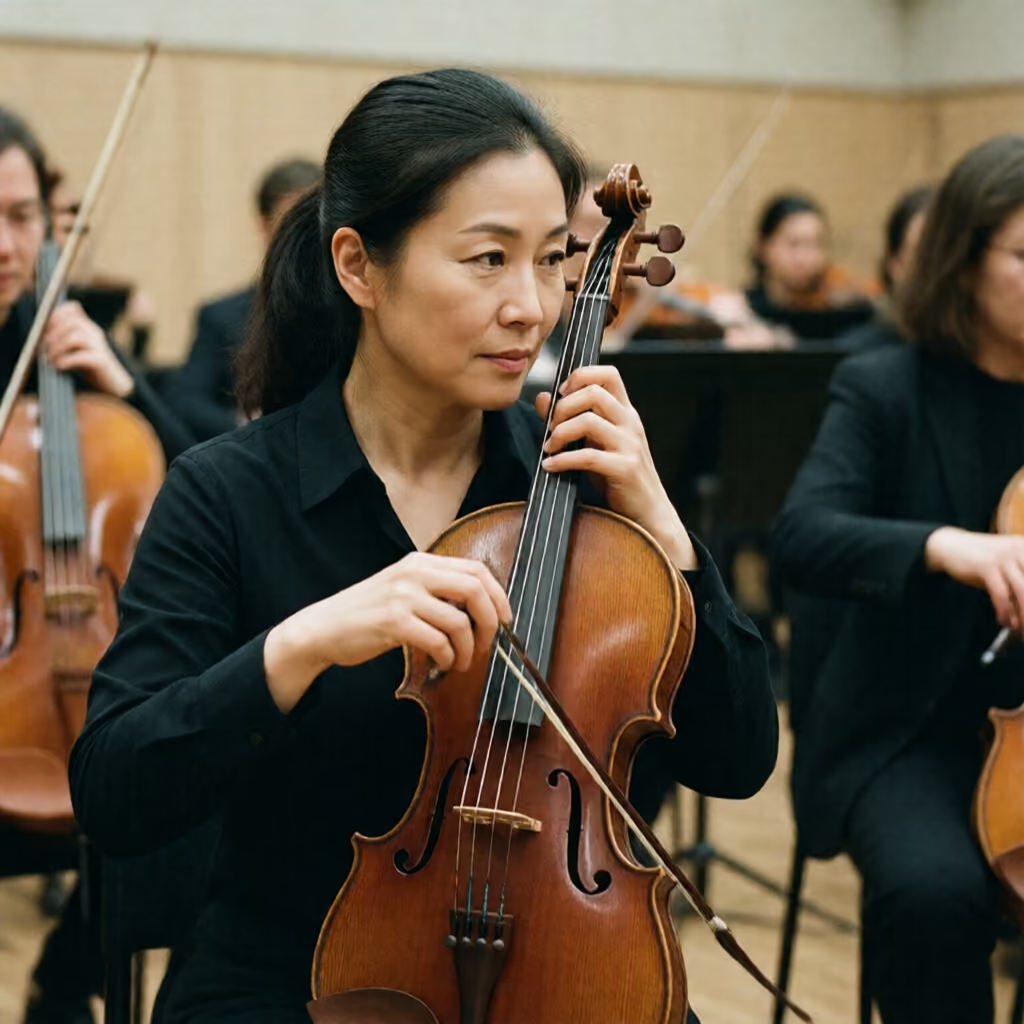
In music, the sixth note in the natural note sequence C–D–E–F–G–A–B (German: C–D–E–F–G–A–H). The A above middle C is usually used as a reference pitch for tuning instruments.
Die Oboe spielte ein A, nach dem die anderen Musiker ihre Instrumente stimmten.
The oboe played an A, which the other musicians used to tune their instruments.
from A to Z
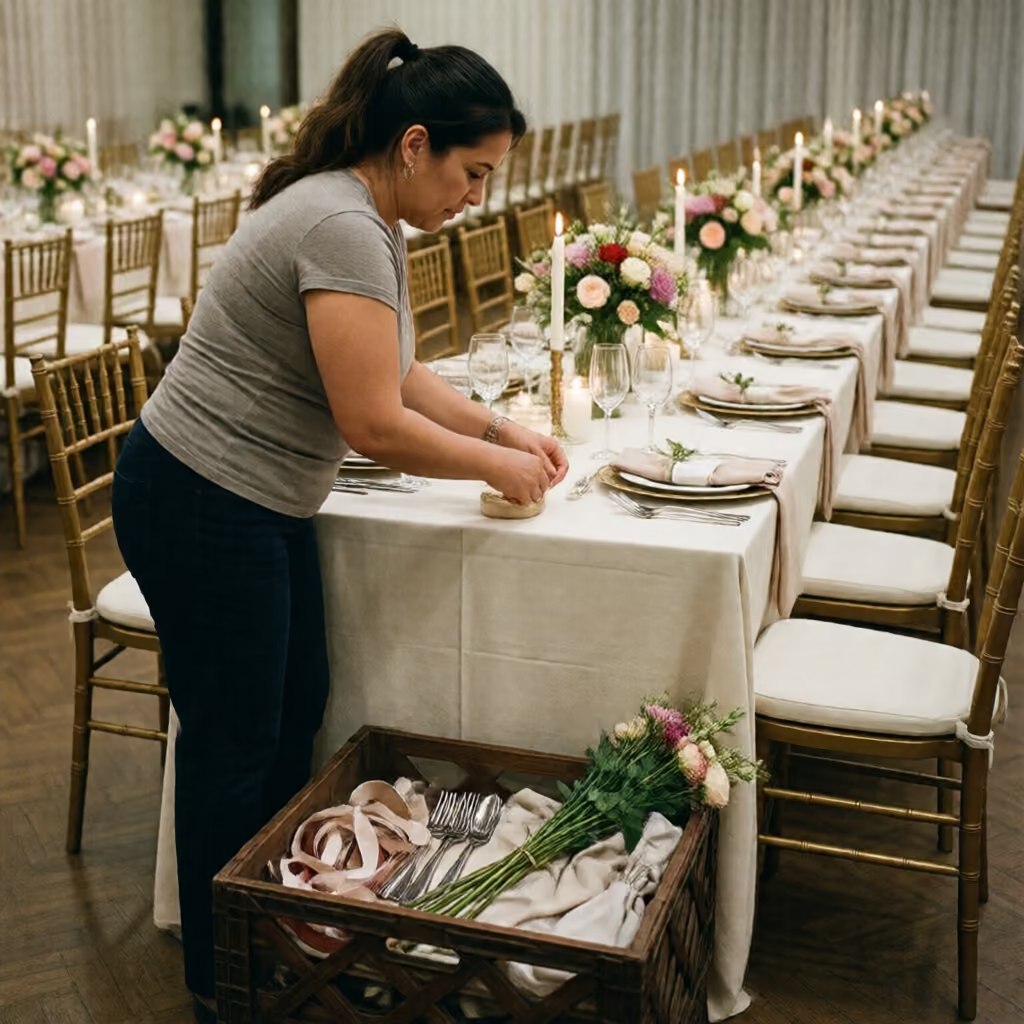
Completely and in every detail; from beginning to end.
Sie hat die gesamte Veranstaltung von A bis Z organisiert.
She organized the entire event from A to Z.

in for a penny
Anyone who starts something or makes a decision must also accept the steps and consequences that follow. The German proverb 'Wer A sagt, muss auch B sagen' literally means 'Anyone who says A must also say B' and corresponds to 'In for a penny, in for a pound.'
Du wolltest die Leitung übernehmen, also musst du jetzt auch die schwierigen Entscheidungen treffen: Wer A sagt, muss auch B sagen.
You wanted to take charge, so now you have to make the difficult decisions too: in for a penny, in for a pound.
| gender | neuter das |
|---|---|
| plural | die A |
| genitive | des A |
| singular | plural | |
|---|---|---|
| nominative | das A | die A die As |
| accusative | das A | die A die As |
| dative | dem A | den An den As |
| genitive | des A des As | der A der As |
The article changes with the case; it is shown in colour.
Use 'ein großes A' (an uppercase A) or 'ein kleines A' (a lowercase a) to describe the written letter. Use 'ein langes A' (a long A) or 'ein kurzes A' (a short A) to describe its pronunciation.
Schreib bitte ein großes A an den Anfang der Zeile.
Please write an uppercase A at the beginning of the line.
Sprich das A in „Abend“ als langes A aus.
Pronounce the A in 'Abend' (evening) as a long A.
The expression often follows the pattern 'etwas ist das A und O' (something is the be-all and end-all). You can specify the area it applies to using 'für' (for) with the accusative or using a genitive phrase.
Regelmäßiges Üben ist das A und O für einen guten Lernerfolg.
Regular practice is the be-all and end-all of successful learning.
Vertrauen ist das A und O einer guten Zusammenarbeit.
Trust is the be-all and end-all of good collaboration.
You will encounter the phrase 'Kammerton A' (concert A) when tuning instruments. A frequency of 440 hertz is often specified, though individual orchestras may use a slightly different frequency.
Das Stimmgerät ist auf den Kammerton A mit 440 Hertz eingestellt.
The tuner is set to concert A at 440 hertz.
In 'von A bis Z' (from A to Z), the letters appear without articles. The whole expression can be combined with verbs such as 'planen' (to plan), 'erklären' (to explain), or 'durchlesen' (to read through), and applies to the entire action.
Bevor ich unterschreibe, lese ich den Vertrag von A bis Z durch.
Before I sign, I'll read the contract through from A to Z.
You can use 'Wer A sagt, muss auch B sagen' (in for a penny, in for a pound) as a standalone sentence to remind someone of an earlier decision and urge them to follow through. It can sound admonishing or reproachful.
Jetzt willst du dich vor der Arbeit drücken? Wer A sagt, muss auch B sagen!
Now you're trying to get out of doing the work? In for a penny, in for a pound!