


abblasen
to blow off
To remove something from a surface by blowing.
EXAMPLE
Er blies vorsichtig den Staub vom Buch ab.
He carefully blew the dust off the book.
to blow off / call off / vent
abblasen – blies ab – hat abgeblasen
Loading your saved state.
to blow off
To remove something from a surface by blowing.
Er blies vorsichtig den Staub vom Buch ab.
He carefully blew the dust off the book.
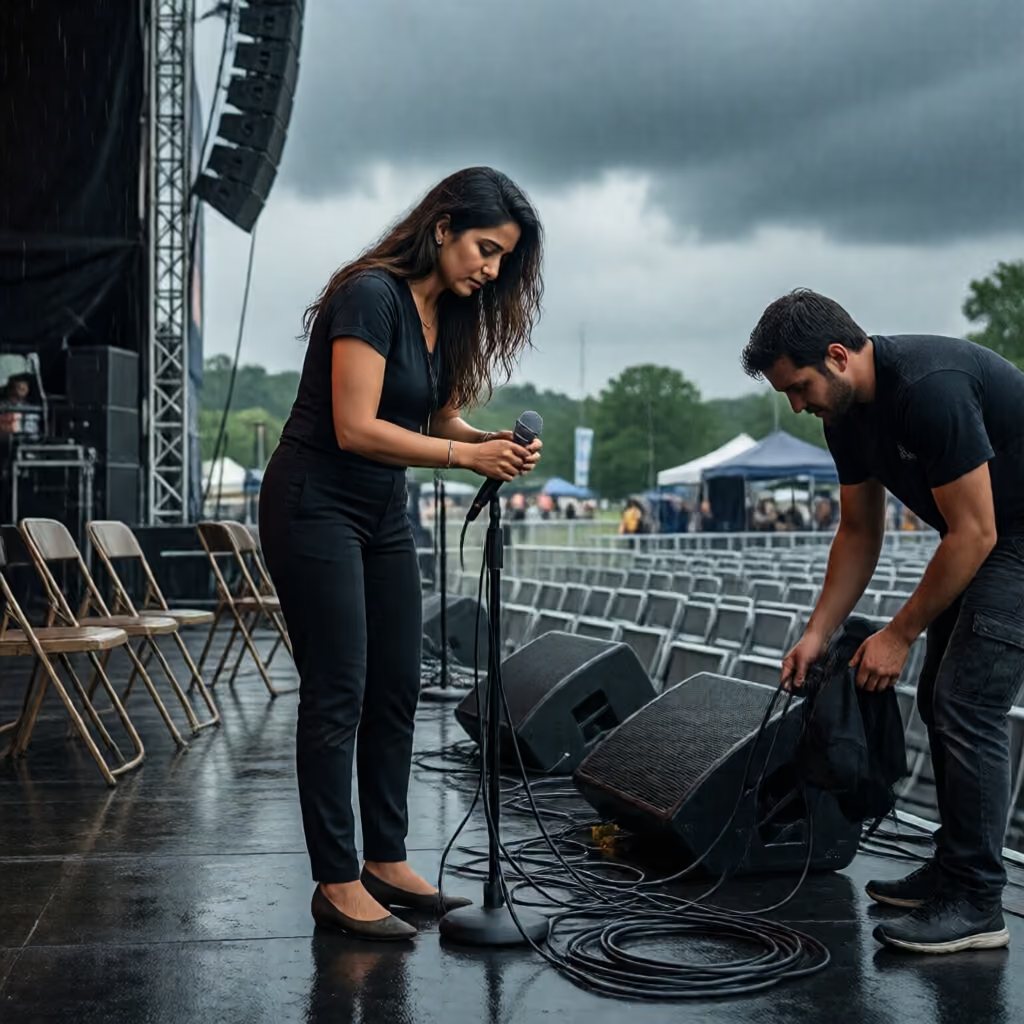
to call off
To cancel a planned event, undertaking, or appointment, or prevent it from taking place.
Wegen des starken Regens mussten wir das Konzert abblasen.
Because of the heavy rain, we had to call off the concert.

to vent
To release excess pressure from a container or technical system, usually by opening a valve.
Der Techniker blies vorsichtig den Druck aus dem Kessel ab.
The technician carefully vented the pressure from the boiler.
| ich | blase ab |
|---|---|
| du | bläst ab |
| er/sie/es | bläst ab |
| wir | blasen ab |
| ihr | blast ab |
| sie | blasen ab |
| ich | blies ab |
|---|---|
| du | bliesest ab bliest ab |
| er/sie/es | blies ab |
| wir | bliesen ab |
| ihr | bliest ab |
| sie | bliesen ab |
| ich | habe abgeblasen |
|---|---|
| du | hast abgeblasen |
| er/sie/es | hat abgeblasen |
| wir | haben abgeblasen |
| ihr | habt abgeblasen |
| sie | haben abgeblasen |
| du | blas ab! blase ab! |
|---|---|
| ihr | blast ab! |
| Sie | blasen Sie ab! |
| ich | hatte abgeblasen |
|---|---|
| du | hattest abgeblasen |
| er/sie/es | hatte abgeblasen |
| wir | hatten abgeblasen |
| ihr | hattet abgeblasen |
| sie | hatten abgeblasen |
| ich | werde abblasen |
|---|---|
| du | wirst abblasen |
| er/sie/es | wird abblasen |
| wir | werden abblasen |
| ihr | werdet abblasen |
| sie | werden abblasen |
| ich | blase ab |
|---|---|
| du | blasest ab |
| er/sie/es | blase ab |
| wir | blasen ab |
| ihr | blaset ab |
| sie | blasen ab |
Used for reported speech.
| ich | bliese ab |
|---|---|
| du | bliesest ab |
| er/sie/es | bliese ab |
| wir | bliesen ab |
| ihr | blieset ab |
| sie | bliesen ab |
Used for wishes and “would”.
| infinitive | abblasen |
|---|---|
| with zu | abzublasen |
| present participle | abblasend |
| past participle | abgeblasen |
'Abblasen' (to blow off / call off / vent) is a separable verb. In a main clause, 'ab' goes at the end of the clause; in a subordinate clause, the verb stays together. In the infinitive with 'zu', 'zu' goes between the prefix and the verb.
Wegen des Gewitters bliesen die Veranstalter das Feuerwerk ab.
Because of the thunderstorm, the organizers called off the fireworks.
Die Organisatoren erklärten, dass sie das Feuerwerk abblasen.
The organizers explained that they were calling off the fireworks.
Sie beschlossen, das Feuerwerk abzublasen.
They decided to call off the fireworks.
'Abblasen' (to blow off / call off / vent) consists of the prefix 'ab' and the verb 'blasen' (to blow). Across its different meanings, the prefix often indicates movement away, bringing something to an end, or a release.
Sie blies die Krümel von der Tastatur ab.
She blew the crumbs off the keyboard.
When 'abblasen' means 'eine Veranstaltung oder ein Vorhaben absagen' (to call off an event or undertaking), the canceled event usually serves as its accusative object.
Der Veranstalter blies die geplante Reise kurzfristig ab.
The organizer called off the planned trip at short notice.
'Abblasen' (to call off) is mainly informal in this sense and is especially suitable for conversations about plans, appointments, and events.
Lass uns das Treffen abblasen, heute hat sowieso keiner Zeit.
Let's call off the meeting; nobody has time today anyway.
In technical texts, 'abblasen' (to vent) is often used with 'Druck' (pressure) or 'Dampf' (steam). This usually involves opening a valve so that the medium can escape from a system in a controlled way.
Bei zu hohem Druck bläst die Anlage automatisch Dampf ab.
If the pressure gets too high, the system automatically vents steam.
to cancel
Both verbs can express that a planned event will not take place. “Absagen” is the neutral choice for this. “Abblasen” sounds colloquial and emphasizes more strongly that the plan is being abandoned, so it is especially suitable in informal conversations about this decision.

Wegen des Unwetters haben wir das Sommerfest abgeblasen.
Because of the storm, we called off the summer festival.
Wegen des Unwetters haben wir das Sommerfest abgesagt.
Because of the storm, we canceled the summer festival.