

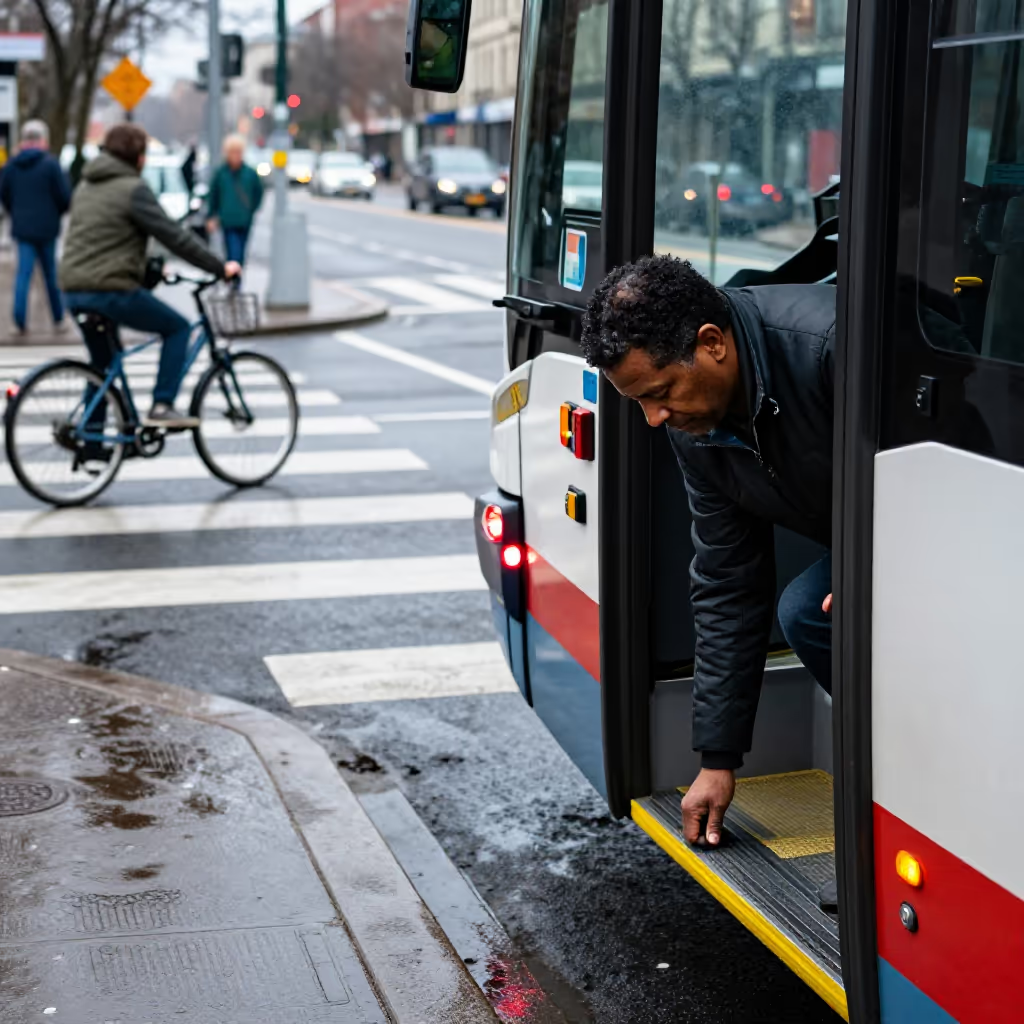
abbremsen
to slow down / brake
To actively reduce the speed of a vehicle or movement, usually by applying a brake.
EXAMPLE
Der Radfahrer musste vor der roten Ampel stark abbremsen.
The cyclist had to brake hard before the red traffic light.
to slow down / brake
Loading your saved state.
to slow down / brake
To actively reduce the speed of a vehicle or movement, usually by applying a brake.
Der Radfahrer musste vor der roten Ampel stark abbremsen.
The cyclist had to brake hard before the red traffic light.
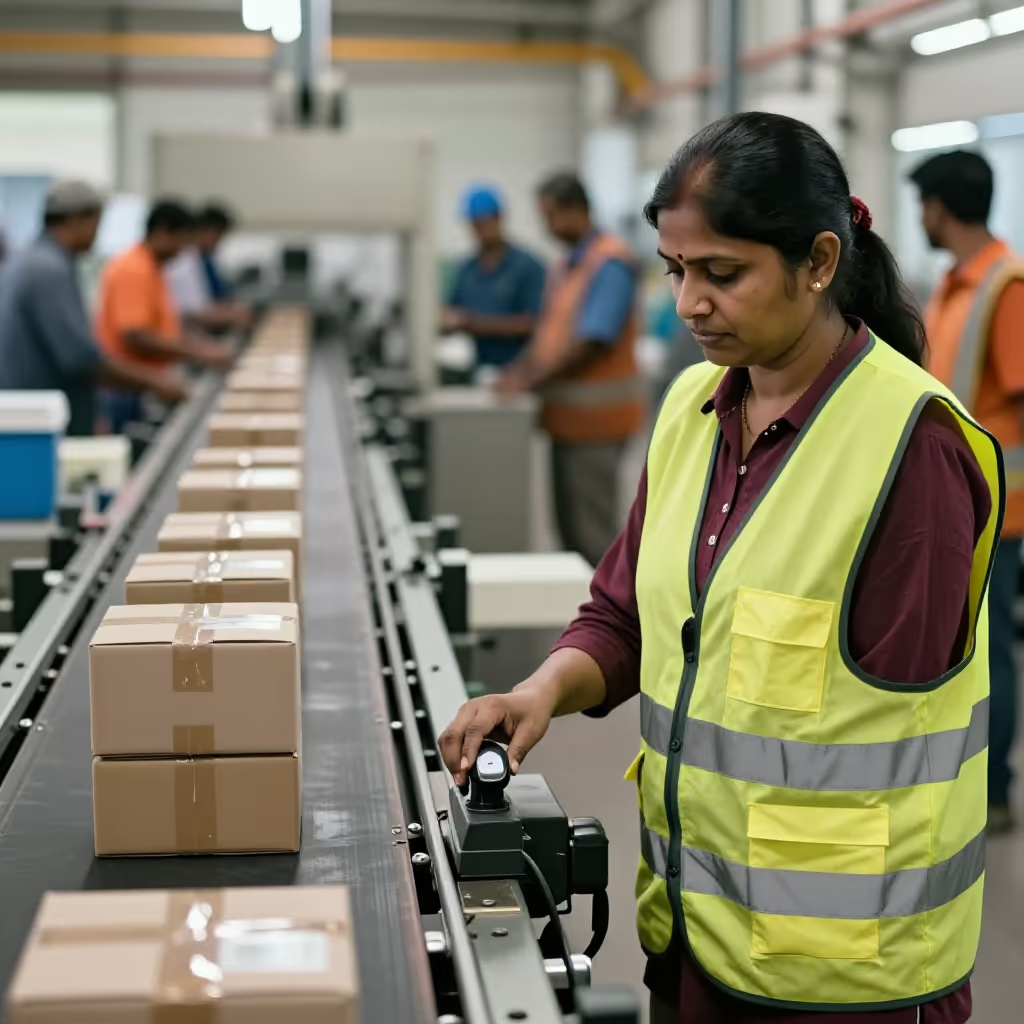
to slow down
In a figurative sense, to slow down or hinder a process, development, or growth.
Die Bürokratie bremst viele innovative Projekte in der Anfangsphase ab.
Bureaucracy slows down many innovative projects in the early phase.
'Abbremsen' (to slow down / brake) is a separable verb. The prefix 'ab-' comes at the end in a main clause. In subordinate clauses and in the infinitive with 'zu', the verb stays together.
Ich bremse vor der Kurve immer ab.
I always slow down before the curve.
In the literal meaning, 'abbremsen' (to slow down / brake) is often used with adverbs such as 'stark' (hard), 'plötzlich' (suddenly), 'sanft' (gently), or 'rechtzeitig' (in time) to describe the way of braking.
Als ein Kind auf die Straße lief, musste die Fahrerin stark abbremsen.
When a child ran into the street, the driver had to brake hard.
In the figurative meaning, 'abbremsen' (to slow down) refers to abstract things. Typical objects are 'das Wachstum' (growth), 'die Entwicklung' (development), 'ein Projekt' (a project), or 'die Wirtschaft' (the economy).
Hohe Zinsen können das wirtschaftliche Wachstum abbremsen.
High interest rates can slow down economic growth.
You can recognize the figurative meaning by the fact that the object of the sentence is an abstract process, e.g. 'Wachstum' (growth) or 'Fortschritt' (progress). If it is about a vehicle or a physical movement, the literal meaning is intended.
Die neuen Regelungen haben den Baufortschritt deutlich abgebremst.
The new regulations have clearly slowed down construction progress.
to brake / slow down
Bremsen is the general term for reducing speed or stopping movement. Abbremsen emphasizes the active process of reducing speed more strongly, usually by using a brake. Both can therefore be possible in the same driving situation.
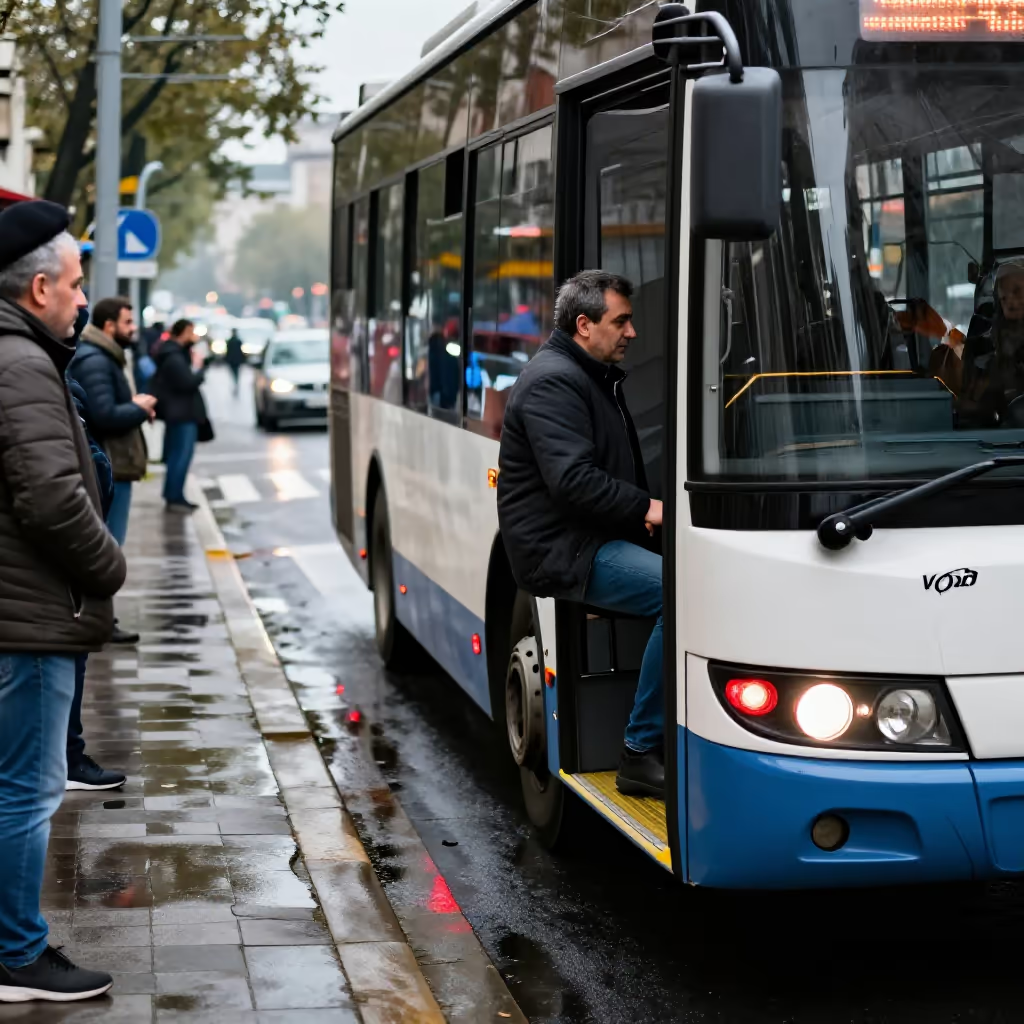
Der Fahrer bremst den Wagen vor der roten Ampel gezielt ab.
The driver deliberately slows the car down before the red light.
Der Fahrer bremst vor der roten Ampel.
The driver brakes before the red light.