

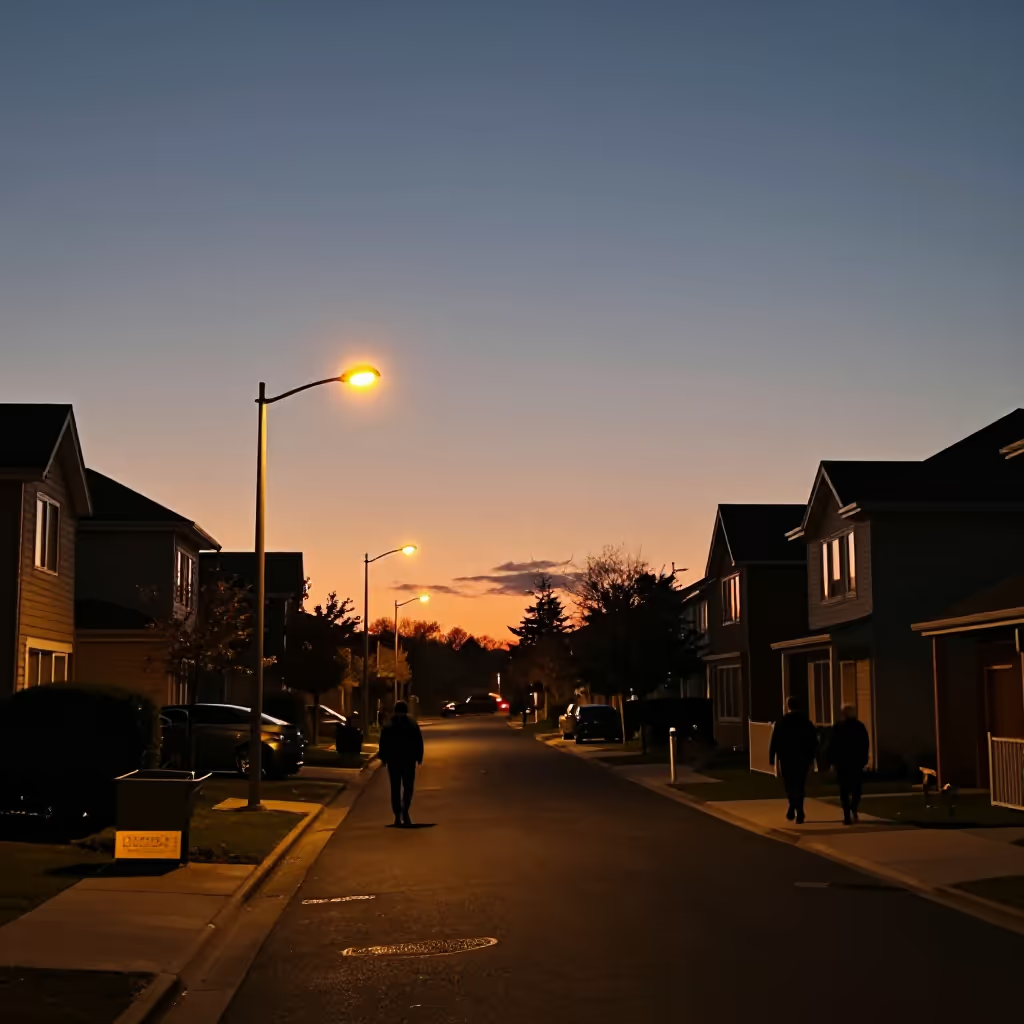
der Abend
evening
The time of day between late afternoon and night, when it gets dark.
EXAMPLE
Wir treffen uns heute Abend um acht Uhr im Restaurant.
We’re meeting this evening at eight o’clock in the restaurant.
evening
Loading your saved state.
evening
The time of day between late afternoon and night, when it gets dark.
Wir treffen uns heute Abend um acht Uhr im Restaurant.
We’re meeting this evening at eight o’clock in the restaurant.
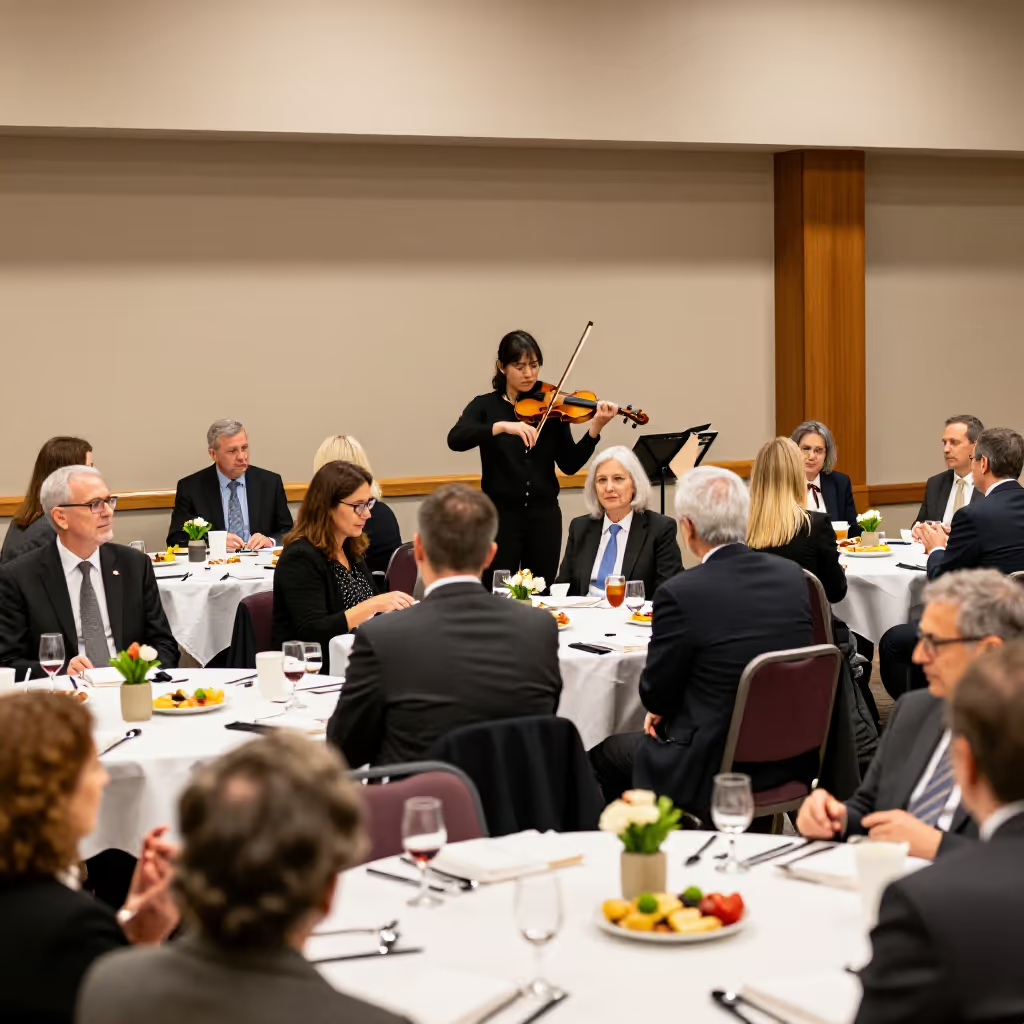
evening event
An event or social occasion that takes place in the evening.
Der Verein organisiert einen musikalischen Abend für seine Mitglieder.
The club is organizing a musical evening for its members.
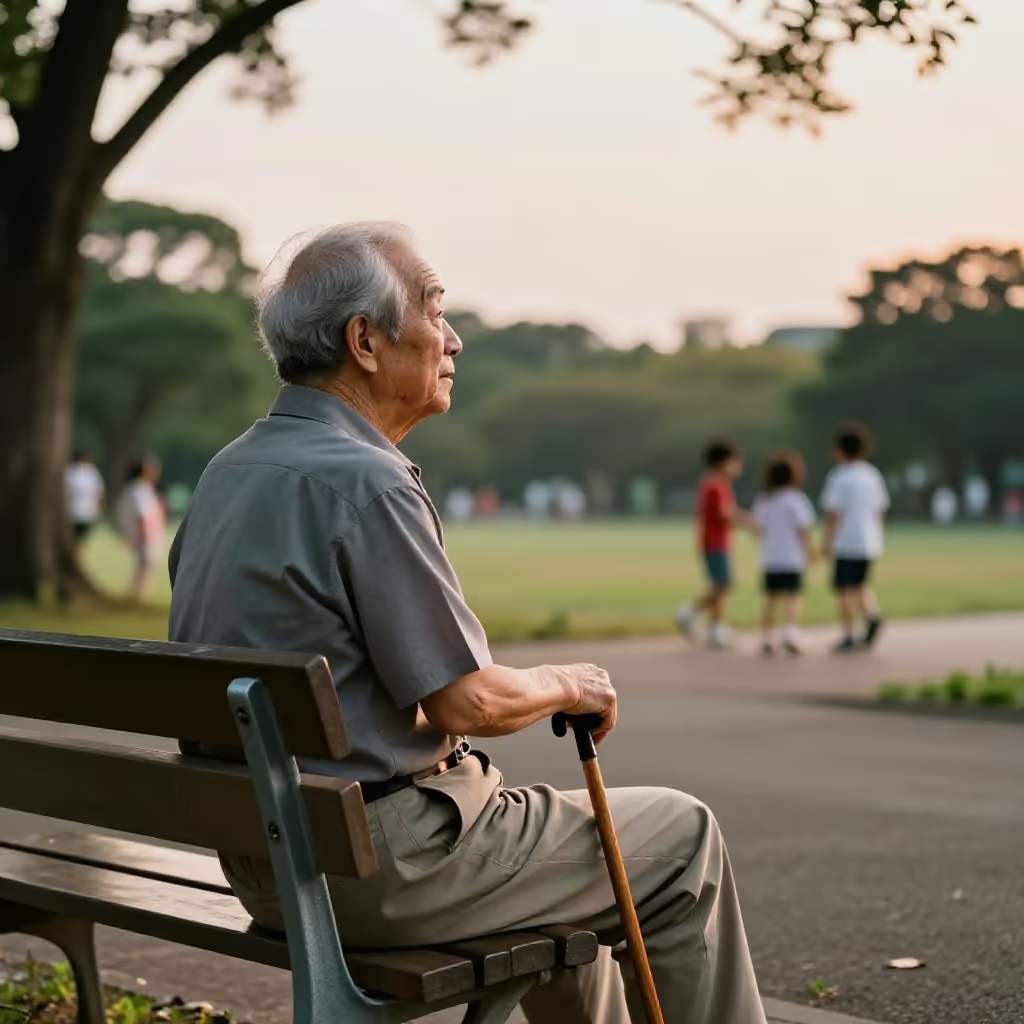
later years
The final part of a period of time, especially of human life (one’s later years).
Er verbrachte seinen Lebensabend zufrieden in einem kleinen Haus am See.
He spent his later years contentedly in a small house by the lake.
Time expressions like 'heute Abend' (this evening), 'gestern Abend' (yesterday evening), or 'morgen Abend' (tomorrow evening) are capitalized, but used like adverbs. They answer the question 'Wann?' (When?) and often appear at the beginning or end of a sentence.
Gestern Abend waren wir im Kino.
Yesterday evening we were at the movies.
Different prepositions are used with 'Abend' (evening) to describe exact times. 'Am Abend' (in the evening) refers to the general time of day, while 'gegen Abend' (toward evening) means the time shortly before evening.
Am Abend lese ich gerne ein Buch.
In the evening, I like to read a book.
When 'Abend' (evening) means an event, it is often combined with an adjective such as 'musikalisch' (musical), 'literarisch' (literary), or 'gesellig' (social). Verbs like 'organisieren' (to organize) or 'veranstalten' (to hold/host) also point to this meaning.
Die Schule veranstaltet einen bunten Abend mit Musik und Theater.
The school is holding a variety evening with music and theater.
In its figurative meaning, 'Abend' (evening) is often part of a compound. The best-known example is 'der Lebensabend' (one’s later years), which describes the final stage of life.
Sie genießen ihren Lebensabend in Ruhe auf dem Land.
They are enjoying their later years peacefully in the countryside.
night
“Die Nacht” and “der Abend” both refer to the late part of the day. “Guten Abend” is the usual greeting when meeting someone in the evening, while “Gute Nacht” is usually said when saying goodbye before going to bed. So choose based on whether the meeting is beginning or someone is going to sleep.
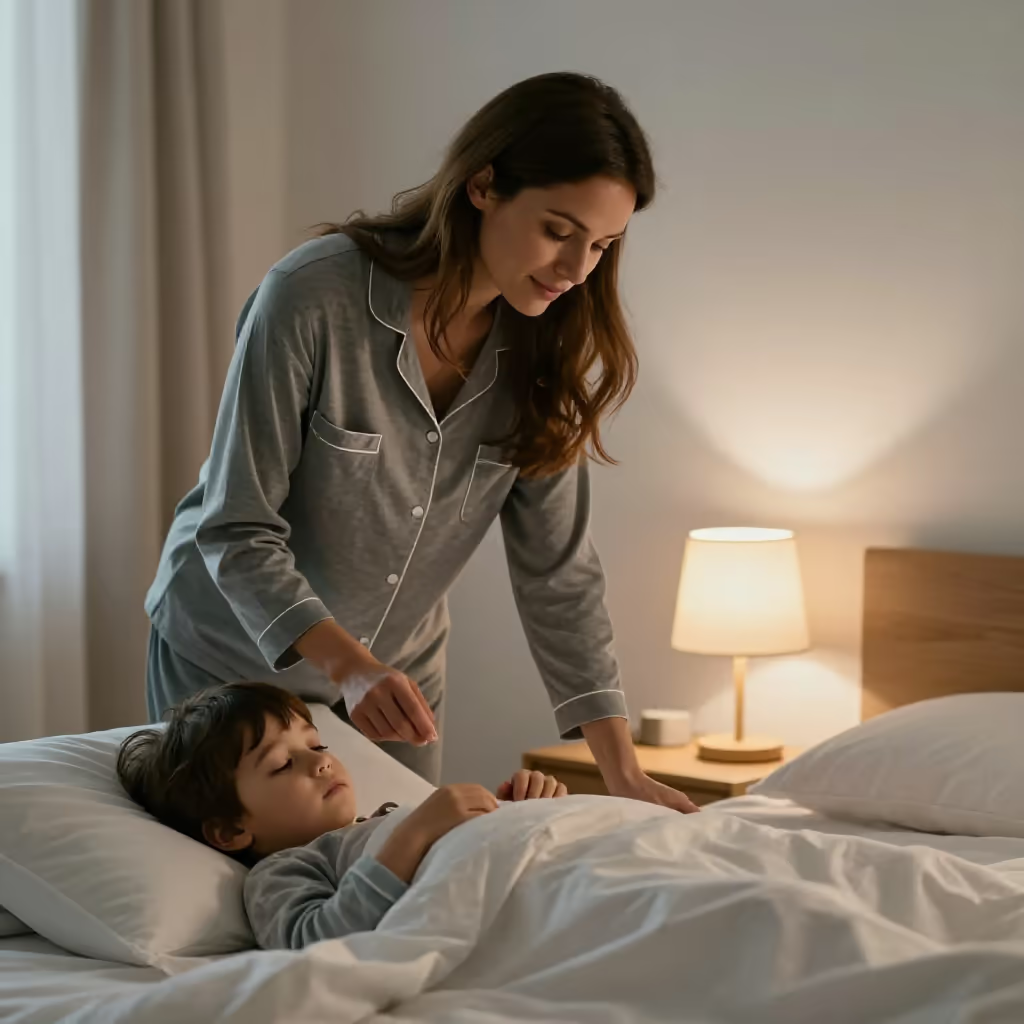
Als ich um sieben Uhr ankam, begrüßte ich meine Schwester mit „Guten Abend!“
When I arrived at seven o’clock, I greeted my sister with “Guten Abend!”
Vor dem Schlafengehen sagte ich meiner Schwester: „Gute Nacht!“
Before going to bed, I said to my sister, “Gute Nacht!”