

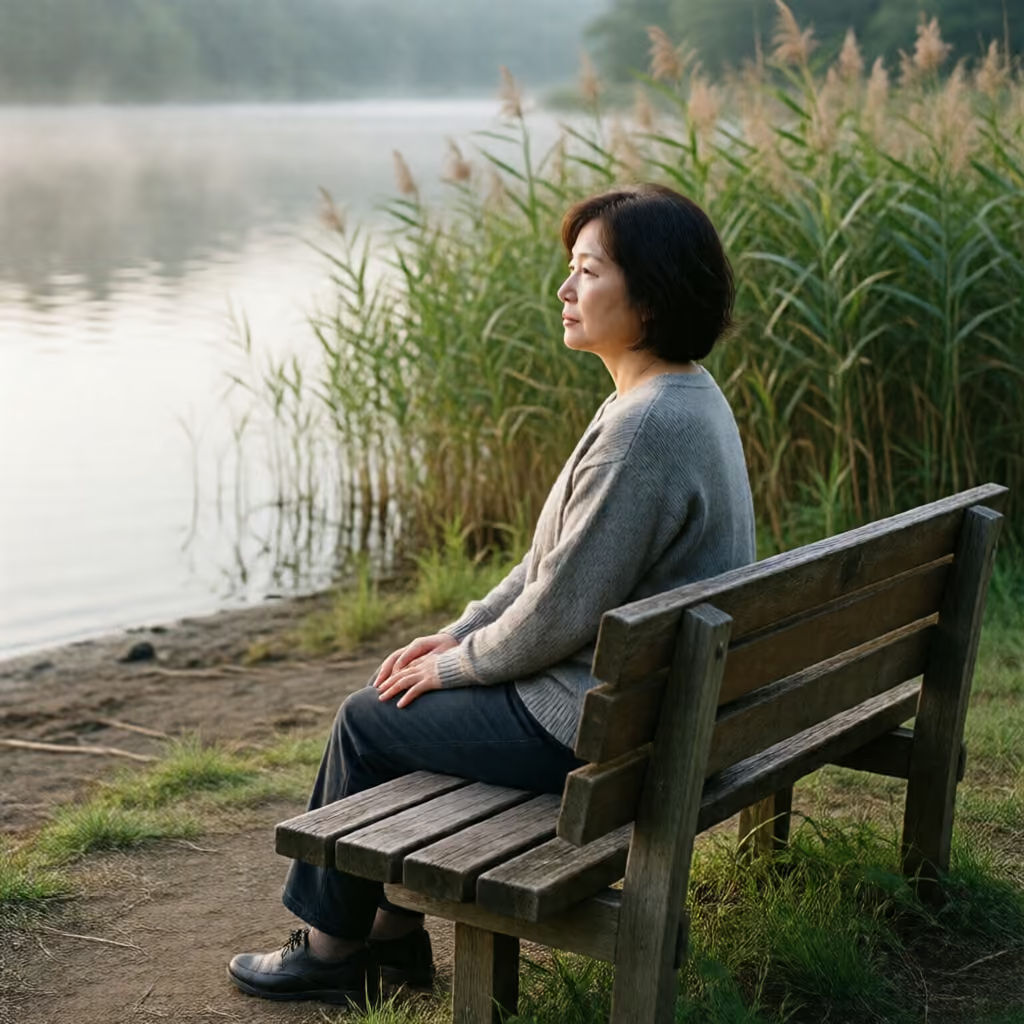
das Alleinsein
solitude
The state of being without the company of other people.
EXAMPLE
Nach einem anstrengenden Tag mit vielen Menschen genießt sie das Alleinsein.
After a tiring day surrounded by many people, she enjoys solitude.
solitude
das Alleinsein
Loading your saved state.
solitude
The state of being without the company of other people.
Nach einem anstrengenden Tag mit vielen Menschen genießt sie das Alleinsein.
After a tiring day surrounded by many people, she enjoys solitude.
| gender | neuter das |
|---|---|
| genitive | des Alleinseins |
| singular | plural | |
|---|---|---|
| nominative | das Alleinsein | – |
| accusative | das Alleinsein | – |
| dative | dem Alleinsein | – |
| genitive | des Alleinseins | – |
The article changes with the case; it is shown in colour.
'Alleinsein' (being alone) consists of 'allein' (alone) and 'sein' (to be), turning them into a noun. This allows you to make the state itself the subject of a sentence.
Das Alleinsein fällt mir im Urlaub leichter als im Alltag.
I find being alone easier on vacation than in everyday life.
Common collocations include 'das Alleinsein genießen' (to enjoy solitude) and 'das Alleinsein brauchen' (to need solitude). The word can therefore also be used in positive contexts and does not automatically express an unpleasant feeling.
Am Wochenende genieße ich das Alleinsein und lese stundenlang.
At the weekend, I enjoy solitude and read for hours.
When solitude becomes familiar over time, use the pattern 'sich an das Alleinsein gewöhnen' (to get used to being alone). After 'an' (to) in this construction, the accusative is used.
Nach dem Auszug meiner Tochter musste ich mich erst an das Alleinsein gewöhnen.
After my daughter moved out, I first had to get used to being alone.