

aufflammen
to flare up
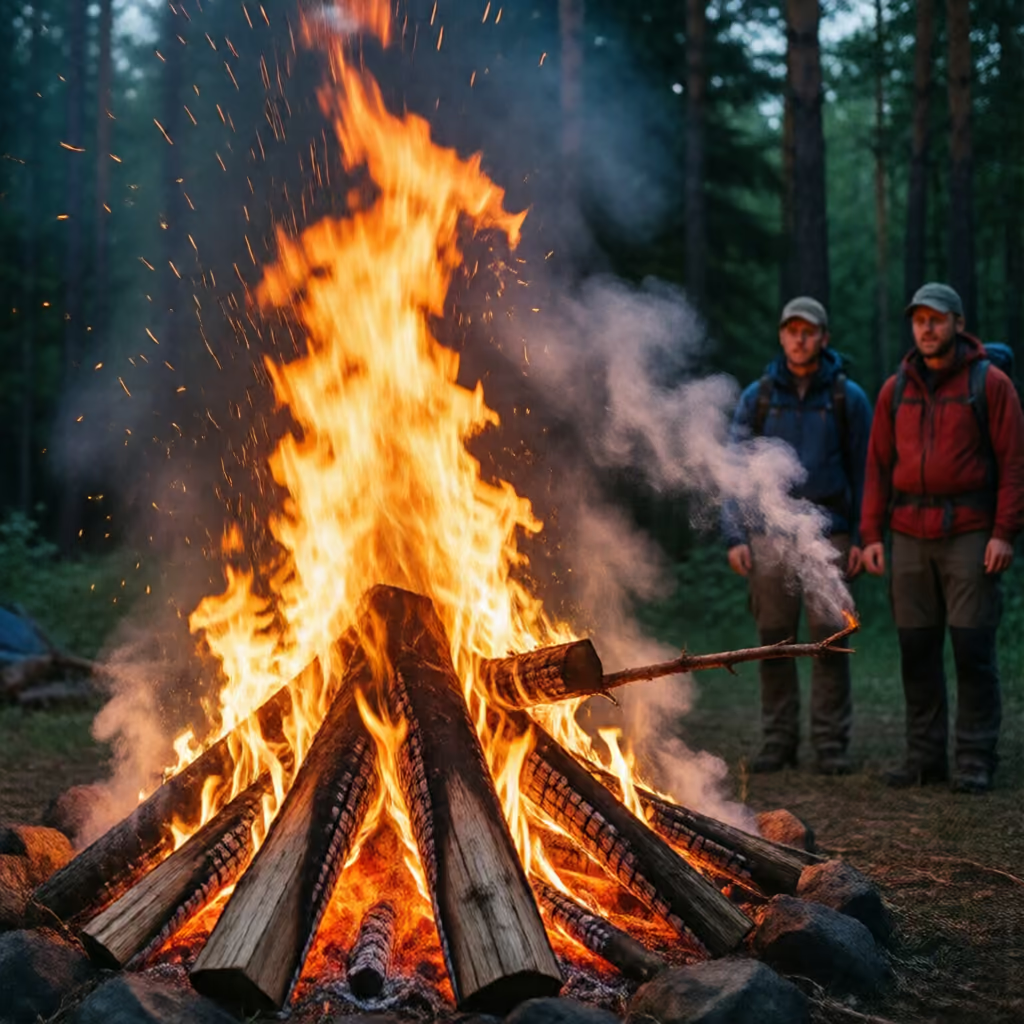
To suddenly begin burning or to burn more brightly and intensely for a short time.
EXAMPLE
Als der Wind aufkam, flammte das Feuer wieder auf.
When the wind picked up, the fire flared up again.
to flare up
aufflammen – flammte auf – ist aufgeflammt
Loading your saved state.
to flare up
To suddenly begin burning or to burn more brightly and intensely for a short time.
Als der Wind aufkam, flammte das Feuer wieder auf.
When the wind picked up, the fire flared up again.
to flare up
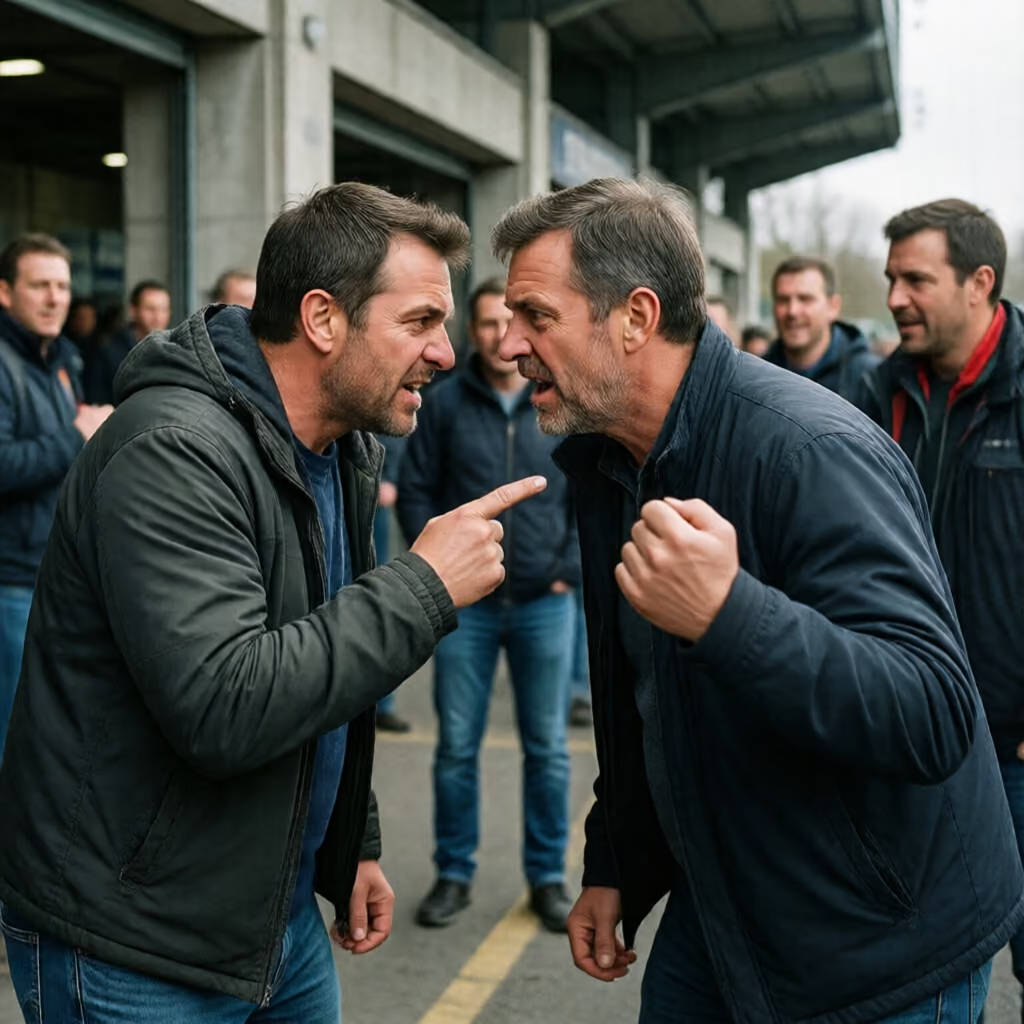
To suddenly reappear or become noticeably stronger, especially when referring to feelings, conflicts, or disputes.
Nach dem Spiel flammte der alte Streit zwischen den Fans wieder auf.
After the game, the old dispute between the fans flared up again.
| er/sie/es | flammt auf |
|---|---|
| sie | flammen auf |
| er/sie/es | flammte auf |
|---|---|
| sie | flammten auf |
| er/sie/es | ist aufgeflammt |
|---|---|
| sie | sind aufgeflammt |
| er/sie/es | war aufgeflammt |
|---|---|
| sie | waren aufgeflammt |
| er/sie/es | wird aufflammen |
|---|---|
| sie | werden aufflammen |
| er/sie/es | flamme auf |
|---|---|
| sie | flammen auf |
Used for reported speech.
| er/sie/es | flammte auf |
|---|---|
| sie | flammten auf |
Used for wishes and “would”.
| infinitive | aufflammen |
|---|---|
| with zu | aufzuflammen |
| present participle | aufflammend |
| past participle | aufgeflammt |
“Aufflammen” (to flare up) is a separable verb made up of “auf” and “flammen.” In a main clause, “auf” comes at the end of the sentence; in a subordinate clause, the verb remains together. In the infinitive with “zu,” “zu” comes between the prefix and the verb.
Das Streichholz flammte kurz auf und erlosch sofort wieder.
The match flared up briefly and immediately went out again.
Alle erschraken, als das trockene Holz aufflammte.
Everyone was startled when the dry wood flared up.
Das Feuer war kurz davor, wieder aufzuflammen.
The fire was about to flare up again.
In the sense of burning, “aufflammen” (to flare up) is often used with “Feuer” (fire), “Flamme” (flame), or “Flammen” (flames). The sentence often also indicates what suddenly makes the fire burn more intensely, such as wind or additional fuel.
Als sie trockene Zweige nachlegte, flammte das Lagerfeuer hell auf.
When she added dry twigs, the campfire flared up brightly.
When referring to feelings and conflicts, “aufflammen” (to flare up) usually describes something that suddenly becomes stronger again after a calmer period. Typical collocations include “alte Gefühle aufflammen” (old feelings flare up), “ein Streit flammt auf” (a dispute flares up), and “der Konflikt flammt wieder auf” (the conflict flares up again).
Nach dem Treffen flammten bei ihr alte Gefühle wieder auf.
After the meeting, old feelings flared up in her again.