


aufhaben
to have on
To wear a hat or glasses. This usage is colloquial; for other items of clothing, German uses „anhaben“ (to have on).
EXAMPLE
Trotz der Hitze hatte er eine Wollmütze auf.
Despite the heat, he had a woolly hat on.
to have on / to have open
aufhaben – hatte auf – hat aufgehabt
Loading your saved state.
to have on
To wear a hat or glasses. This usage is colloquial; for other items of clothing, German uses „anhaben“ (to have on).
Trotz der Hitze hatte er eine Wollmütze auf.
Despite the heat, he had a woolly hat on.
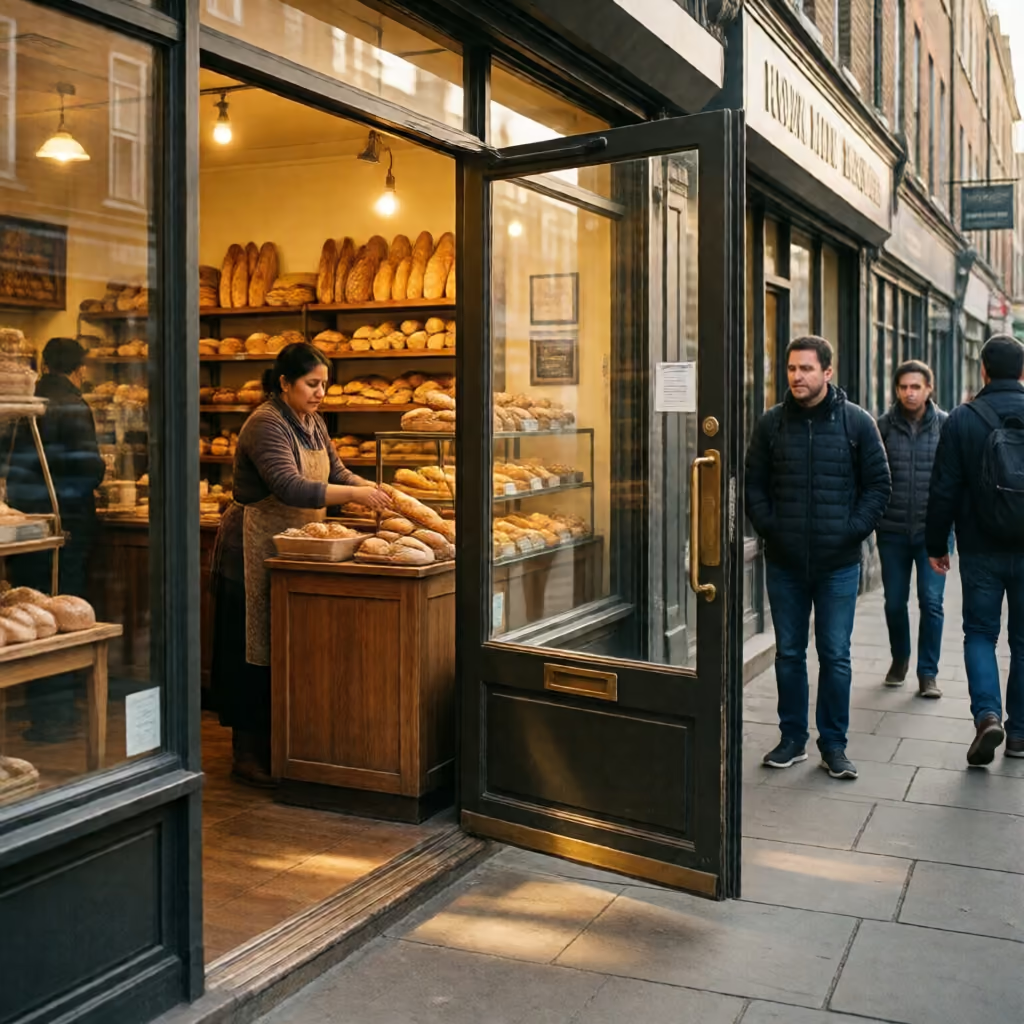
to be open
To be open or to keep something open, especially when referring to a shop, restaurant, or public office.
Der Laden hat heute bis 20 Uhr auf.
The shop is open until 8 p.m. today.
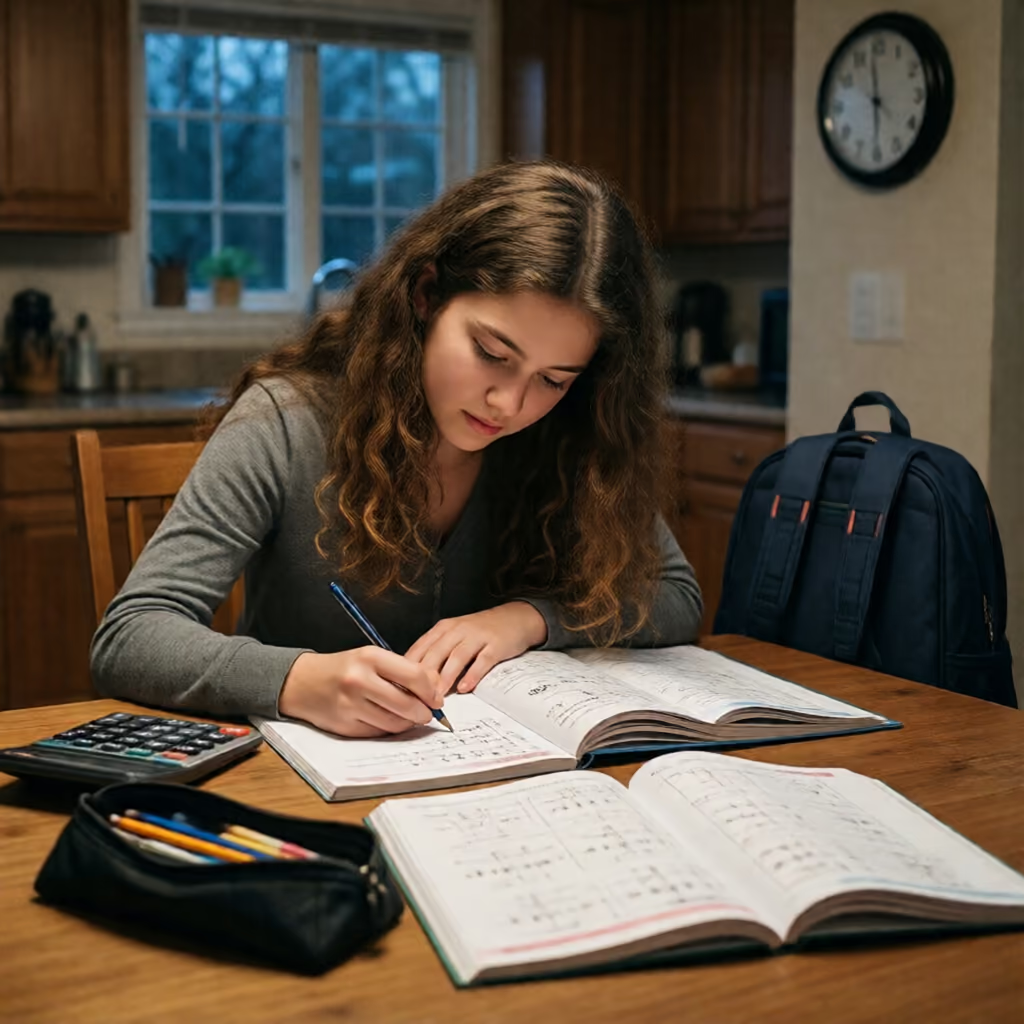
to have something to do
To have a task to complete, especially homework or schoolwork.
Ich habe für morgen noch zwei Seiten Mathematik auf.
I still have two pages of math to do for tomorrow.

to have something open
To have something open, such as a window, bottle, or one's eyes.
Ich hatte kaum die Augen auf, da klingelte schon das Telefon.
I had barely opened my eyes when the phone rang.
| ich | habe auf |
|---|---|
| du | hast auf |
| er/sie/es | hat auf |
| wir | haben auf |
| ihr | habt auf |
| sie | haben auf |
| ich | hatte auf |
|---|---|
| du | hattest auf |
| er/sie/es | hatte auf |
| wir | hatten auf |
| ihr | hattet auf |
| sie | hatten auf |
| ich | habe aufgehabt |
|---|---|
| du | hast aufgehabt |
| er/sie/es | hat aufgehabt |
| wir | haben aufgehabt |
| ihr | habt aufgehabt |
| sie | haben aufgehabt |
| du | habe auf! hab auf! |
|---|---|
| ihr | habt auf! |
| Sie | haben Sie auf! |
| ich | hatte aufgehabt |
|---|---|
| du | hattest aufgehabt |
| er/sie/es | hatte aufgehabt |
| wir | hatten aufgehabt |
| ihr | hattet aufgehabt |
| sie | hatten aufgehabt |
| ich | werde aufhaben |
|---|---|
| du | wirst aufhaben |
| er/sie/es | wird aufhaben |
| wir | werden aufhaben |
| ihr | werdet aufhaben |
| sie | werden aufhaben |
| ich | habe auf |
|---|---|
| du | habest auf |
| er/sie/es | habe auf |
| wir | haben auf |
| ihr | habet auf |
| sie | haben auf |
Used for reported speech.
| ich | hätte auf |
|---|---|
| du | hättest auf |
| er/sie/es | hätte auf |
| wir | hätten auf |
| ihr | hättet auf |
| sie | hätten auf |
Used for wishes and “would”.
| infinitive | aufhaben |
|---|---|
| with zu | aufzuhaben |
| present participle | aufhabend |
| past participle | aufgehabt |
„Aufhaben“ (to have on / to have open) is a separable verb made up of „auf“ (up/open) and „haben“ (to have). In a main clause, „auf“ comes at the end of the sentence; in a subordinate clause, the verb stays together. In the infinitive with „zu“, „zu“ comes between the prefix and the verb.
Warum hast du heute eine Mütze auf?
Why are you wearing a hat today?
Sie beeilt sich, weil der Laden nur noch kurz aufhat.
She is hurrying because the shop is only open for a short while longer.
Auf der Baustelle ist es Pflicht, einen Helm aufzuhaben.
At the construction site, it is compulsory to wear a helmet.
„Aufhaben“ (to have on / to have open) is used mainly in everyday spoken language. Depending on the context, it refers to wearing a hat or glasses, an open place, a task one has to complete, or something that one has open.
Die Kinder haben im Winter oft dicke Mützen auf.
The children often wear thick hats in winter.
Unsere Apotheke hat am Samstag nur bis Mittag auf.
Our pharmacy is only open until noon on Saturdays.
The context usually makes it clear which meaning is intended: hats or glasses indicate wearing something, a shop or a time reference indicates opening hours, windows, bottles, or eyes indicate something being open, and school or homework indicates a task that needs to be completed.
Auf dem Foto hat sie einen großen Sonnenhut auf.
In the photo, she is wearing a large sun hat.
Der Kiosk hat wegen des Feiertags nur vormittags auf.
The kiosk is only open in the morning because of the holiday.
Für Montag habe ich noch einen Aufsatz auf.
I still have an essay to write for Monday.
In the meaning „tragen“ (to wear), „aufhaben“ (to have on) is used with things worn on the head or face. Typical combinations include „eine Mütze aufhaben“ (to wear a hat), „eine Brille aufhaben“ (to wear glasses), or „einen Hut aufhaben“ (to wear a hat). For jackets, sweaters, or shoes, German uses „anhaben“ (to have on) instead.
Meine Schwester hat beim Lesen eine Brille auf.
My sister is wearing glasses while reading.
When referring to shops, restaurants, and similar places, „aufhaben“ (to be open) is often used with a time reference or with „noch“ (still) and „schon“ (already). The time reference describes how long the place will remain open.
Hat die Bäckerei so früh am Morgen schon auf?
Is the bakery already open this early in the morning?
In the meaning „eine Aufgabe zu erledigen haben“ (to have a task to complete), the task normally appears as an accusative object. Common combinations include „Hausaufgaben aufhaben“ (to have homework to do), „Übungen aufhaben“ (to have exercises to do), „Seiten aufhaben“ (to have pages to complete), or „einen Aufsatz aufhaben“ (to have an essay to write).
Wir haben für morgen drei Übungen in Deutsch auf.
We have three German exercises to do for tomorrow.
In this meaning, the thing that is open appears as an accusative object: a window, door, bottle, or one's eyes. „Aufhaben“ (to have open) can also express that someone managed to open something after some effort.
Nach langem Drehen hatte sie das Glas endlich auf.
After twisting it for a long time, she finally got the jar open.