

ausstoßen
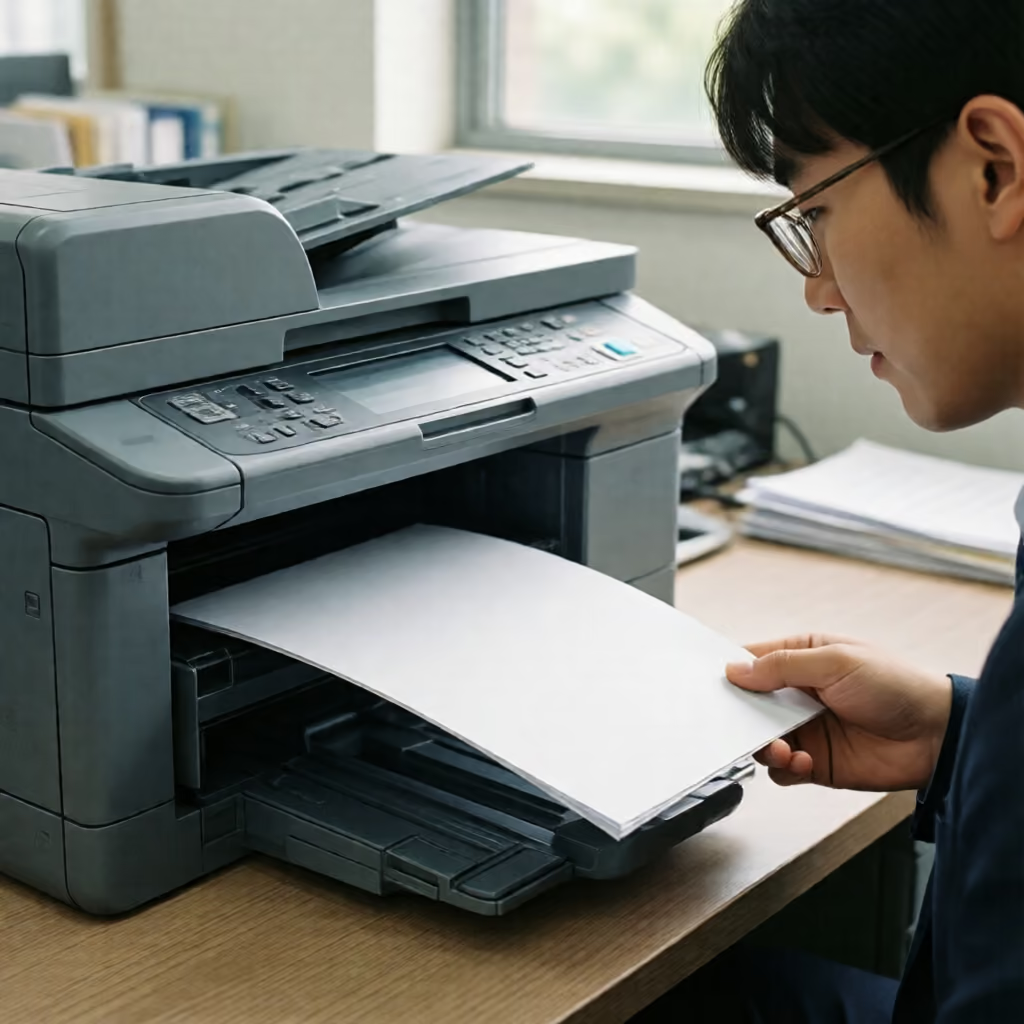
to eject
To force something out of a device, a body, or an enclosed space.
EXAMPLE
Der Drucker stößt das Papier nach dem Drucken aus.
The printer ejects the paper after printing.
to expel / emit
ausstoßen – stieß aus – hat ausgestoßen
Loading your saved state.
to eject
To force something out of a device, a body, or an enclosed space.
Der Drucker stößt das Papier nach dem Drucken aus.
The printer ejects the paper after printing.

to expel
To exclude someone from a community, group, or organization.
Wegen seines Verrats wurde er aus dem Verein ausgestoßen.
He was expelled from the club because of his betrayal.

to emit
To release gases, smoke, liquids, or other substances into the surroundings.
Das alte Auto stößt zu viele Schadstoffe aus.
The old car emits too many pollutants.

to let out
To produce an audible sound, cry, or utterance.
Vor Schreck stieß sie einen lauten Schrei aus.
She let out a loud scream in fright.
| ich | stoße aus |
|---|---|
| du | stößt aus |
| er/sie/es | stößt aus |
| wir | stoßen aus |
| ihr | stoßt aus |
| sie | stoßen aus |
| ich | stieß aus |
|---|---|
| du | stießest aus stießt aus |
| er/sie/es | stieß aus |
| wir | stießen aus |
| ihr | stießt aus |
| sie | stießen aus |
| ich | habe ausgestoßen |
|---|---|
| du | hast ausgestoßen |
| er/sie/es | hat ausgestoßen |
| wir | haben ausgestoßen |
| ihr | habt ausgestoßen |
| sie | haben ausgestoßen |
| du | stoße aus! stoß aus! |
|---|---|
| ihr | stoßt aus! |
| Sie | stoßen Sie aus! |
| ich | hatte ausgestoßen |
|---|---|
| du | hattest ausgestoßen |
| er/sie/es | hatte ausgestoßen |
| wir | hatten ausgestoßen |
| ihr | hattet ausgestoßen |
| sie | hatten ausgestoßen |
| ich | werde ausstoßen |
|---|---|
| du | wirst ausstoßen |
| er/sie/es | wird ausstoßen |
| wir | werden ausstoßen |
| ihr | werdet ausstoßen |
| sie | werden ausstoßen |
| ich | stoße aus |
|---|---|
| du | stoßest aus |
| er/sie/es | stoße aus |
| wir | stoßen aus |
| ihr | stoßet aus |
| sie | stoßen aus |
Used for reported speech.
| ich | stieße aus |
|---|---|
| du | stießest aus |
| er/sie/es | stieße aus |
| wir | stießen aus |
| ihr | stießet aus |
| sie | stießen aus |
Used for wishes and “would”.
| infinitive | ausstoßen |
|---|---|
| with zu | auszustoßen |
| present participle | ausstoßend |
| past participle | ausgestoßen |
'Ausstoßen' (to expel / emit) consists of 'aus' and 'stoßen' and is separable. In a main clause, 'aus' goes at the end; in a subordinate clause, the verb stays together. In the infinitive with 'zu', 'zu' goes between the two parts.
Die Fabrik stößt große Mengen Rauch aus.
The factory emits large amounts of smoke.
Anwohner beschweren sich, weil die Fabrik große Mengen Rauch ausstößt.
Residents complain because the factory emits large amounts of smoke.
Die Fabrik versucht, weniger Rauch auszustoßen.
The factory is trying to emit less smoke.
The perfect tense of 'ausstoßen' (to expel / emit) is formed with 'haben' (to have), even when something is moved outward.
Das Gerät hat das beschädigte Teil automatisch ausgestoßen.
The device automatically ejected the damaged part.
The typical pattern is 'jemanden aus einer Gemeinschaft ausstoßen' (to expel someone from a community): the person affected is in the accusative, and the community following 'aus' (from) is in the dative.
Die Gemeinschaft stieß ihn wegen seiner Ansichten aus ihren Reihen aus.
The community expelled him from its ranks because of his views.
When referring to people, 'ausstoßen' (to expel) is strong and emotional: it often emphasizes rejection by the whole group. You will also encounter this usage in accounts of families, religious communities, or social exclusion.
Nach ihrer Entscheidung fühlte sie sich von ihrer Familie ausgestoßen.
After making her decision, she felt cast out by her family.
In texts about the environment and technology, typical collocations are 'Schadstoffe ausstoßen' (to emit pollutants), 'Abgase ausstoßen' (to emit exhaust gases), and 'Kohlendioxid ausstoßen' (to emit carbon dioxide). Vehicles, engines, or factories are often the subject.
Moderne Motoren sollen weniger Schadstoffe ausstoßen.
Modern engines should emit fewer pollutants.
Typical collocations are 'einen Schrei ausstoßen' (to let out a scream), 'einen Seufzer ausstoßen' (to let out a sigh), and 'Drohungen ausstoßen' (to utter threats). The sound or utterance serves directly as the verb's accusative object.
Als er die Rechnung sah, stieß er einen tiefen Seufzer aus.
When he saw the bill, he let out a deep sigh.