

ausstrecken
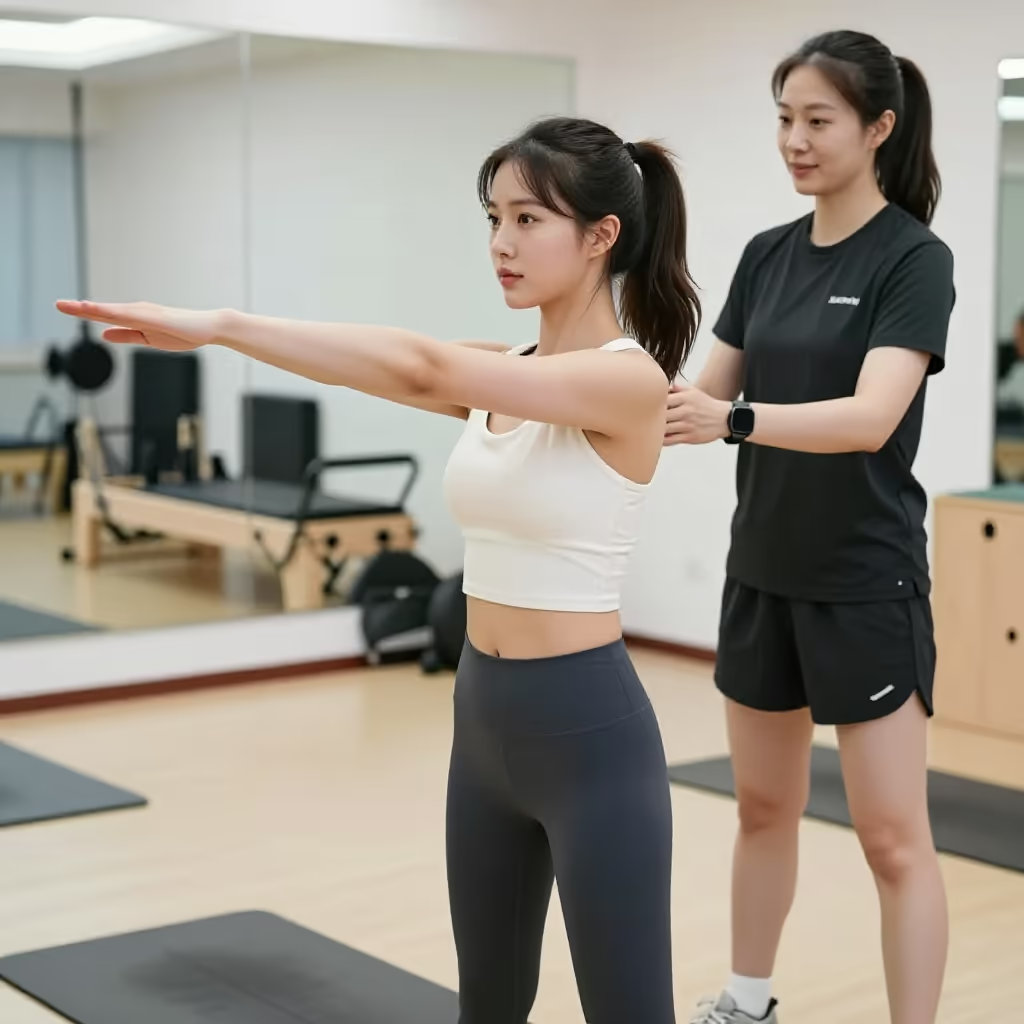
to stretch out
To straighten and extend a body part, such as an arm or a leg.
EXAMPLE
Er streckte die Hand aus, um sie zu begrüßen.
He stretched out his hand to greet her.
to stretch out
Loading your saved state.
to stretch out
To straighten and extend a body part, such as an arm or a leg.
Er streckte die Hand aus, um sie zu begrüßen.
He stretched out his hand to greet her.
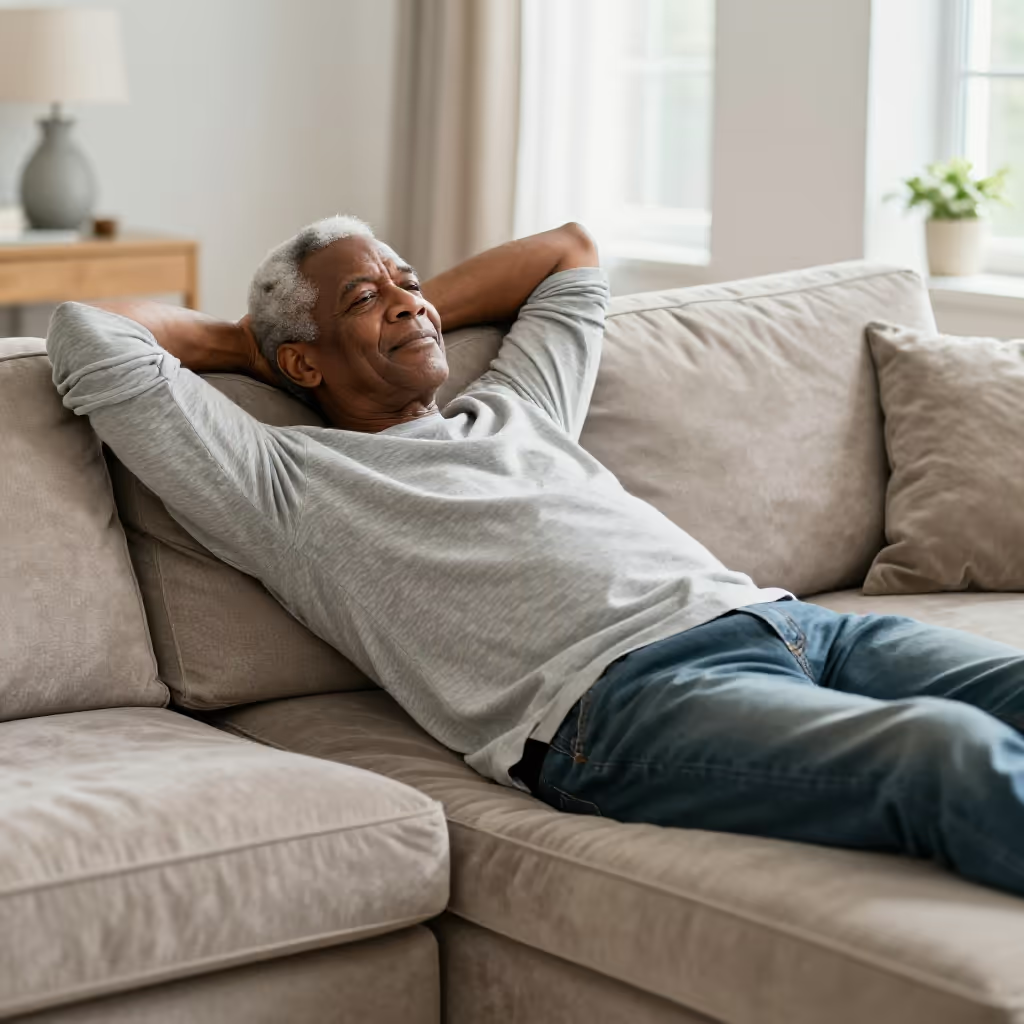
to stretch out
To lie down and make your body long in order to rest or relax.
Nach der langen Wanderung streckte er sich auf dem Sofa aus.
After the long hike, he stretched out on the sofa.

to put out feelers
To cautiously gather information or explore possibilities before taking action.
Das Unternehmen streckt seine Fühler nach neuen Märkten aus.
The company is putting out feelers for new markets.
'Ausstrecken' (to stretch out) is a separable verb. The prefix 'aus-' comes at the end of the sentence in a main clause. In subordinate clauses or in the infinitive with 'zu', the verb stays together.
Sie streckte die Beine unter dem Tisch aus.
She stretched her legs out under the table.
In its literal meaning, 'ausstrecken' (to stretch out) is almost always used with body parts. Common combinations are 'die Arme ausstrecken' (to stretch out one's arms), 'die Beine ausstrecken' (to stretch out one's legs), or 'die Hand ausstrecken' (to stretch out one's hand).
Das Kind streckte die Arme nach seiner Mutter aus.
The child stretched out its arms toward its mother.
The reflexive form 'sich ausstrecken' (to stretch out) means to lie down and make your body long in order to relax. The reflexive pronoun is crucial for the meaning here.
Die Katze streckte sich genüsslich in der Sonne aus.
The cat stretched out contentedly in the sun.
The idiom 'die Fühler ausstrecken' (to put out feelers) is a fixed expression. It is often used with the preposition 'nach' to name the target of the exploration.
Vor der Investition streckte die Firma ihre Fühler nach potenziellen Partnern aus.
Before the investment, the company put out feelers for potential partners.
to spread / spread out
Spreading your arms means opening them to both sides. Stretching out one arm means, more generally, straightening and lengthening it and holding it in one direction. With arms opened to the sides, either word is possible, but each emphasizes a different aspect of the movement.

Für die Übung streckt Jana den rechten Arm gerade zur Seite aus.
For the exercise, Jana stretches her right arm straight out to the side.
Für die Übung breitet Jana beide Arme seitlich aus.
For the exercise, Jana spreads both arms out to the sides.