

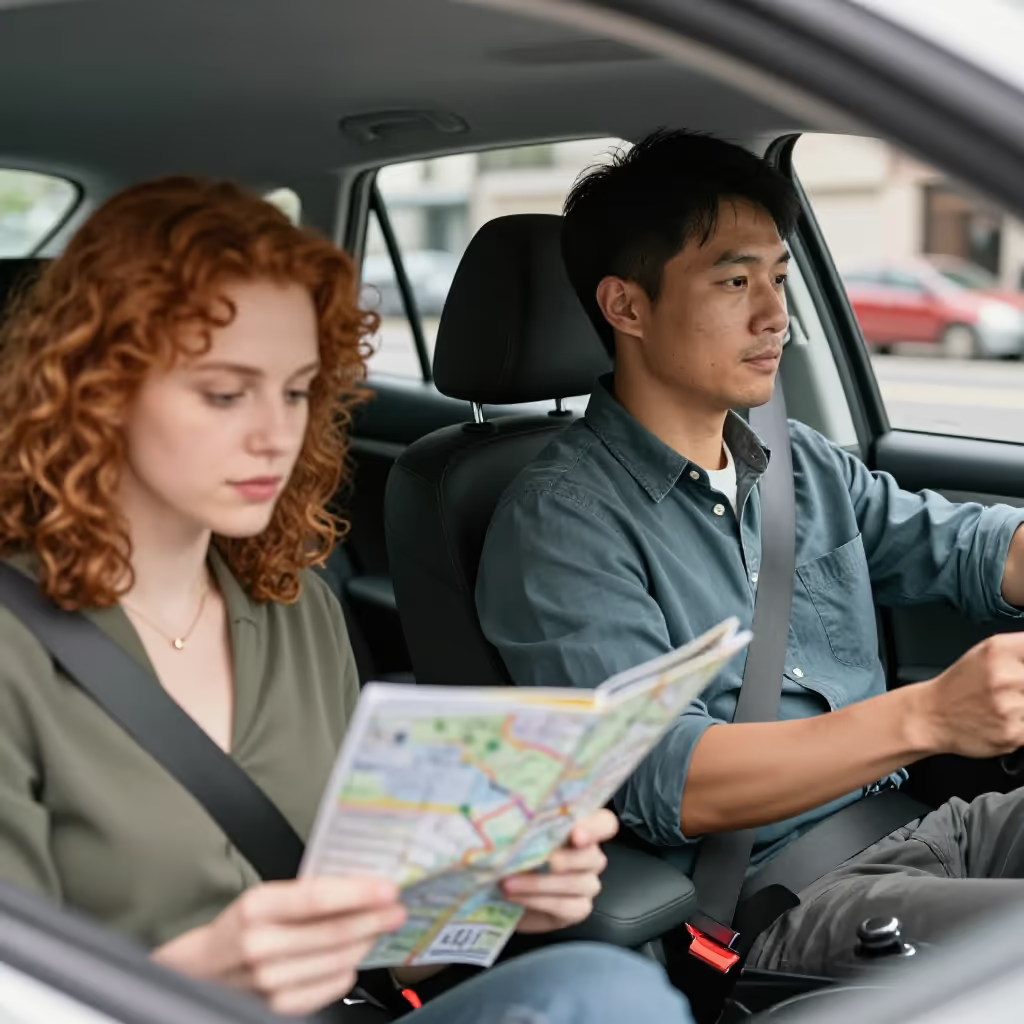
der Beifahrer
front-seat passenger
The person who sits in a vehicle in the seat next to the driver.
EXAMPLE
Der Beifahrer ist dafür verantwortlich, die Musik auszuwählen.
The front-seat passenger is responsible for choosing the music.
passenger
Loading your saved state.
front-seat passenger
The person who sits in a vehicle in the seat next to the driver.
Der Beifahrer ist dafür verantwortlich, die Musik auszuwählen.
The front-seat passenger is responsible for choosing the music.
The word consists of the preposition 'bei' (with/near) and 'Fahrer' (driver). So it literally describes the person who sits 'beim Fahrer' (next to the driver).
Bitte schnall dich an, auch als Beifahrer.
Please buckle up, even as the front-seat passenger.
Common expressions are 'als Beifahrer mitfahren' (to ride along as the front-seat passenger) or to sit on the 'Beifahrersitz' (front passenger seat). The seat itself is a very common word combination.
Der Platz auf dem Beifahrersitz war noch frei.
The spot on the front passenger seat was still free.
In Germany, the Beifahrer (front-seat passenger) is often expected to help the driver. For example, they read the map, operate the navigation device, or keep the driver entertained on long trips.
Kannst du als Beifahrer bitte die Adresse ins Navi eingeben?
As the front-seat passenger, could you please enter the address into the navigation system?
committee member / assessor
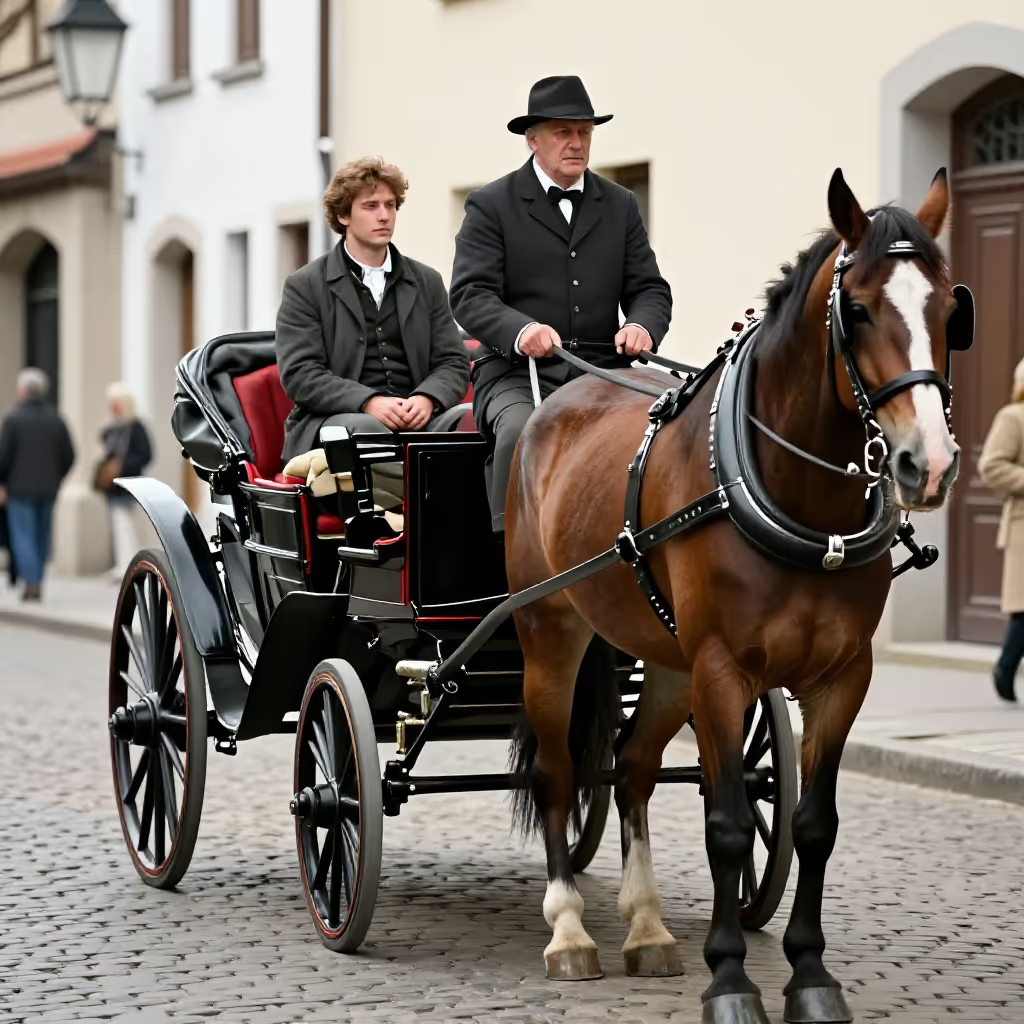
Beifahrer and Beisitzer can both refer to a person sitting next to the driver. Beifahrer is the normal term today, while Beisitzer is outdated in this sense and is especially associated with earlier carriages or vehicles. In a current everyday situation, use Beifahrer.
Der Beifahrer öffnete die Karte und zeigte dem Fahrer den richtigen Weg.
The front-seat passenger opened the map and showed the driver the right way.
In der alten Kutsche saß ein Beisitzer neben dem Fahrer.
In the old carriage, a passenger sat next to the driver.