

beisetzen
to inter
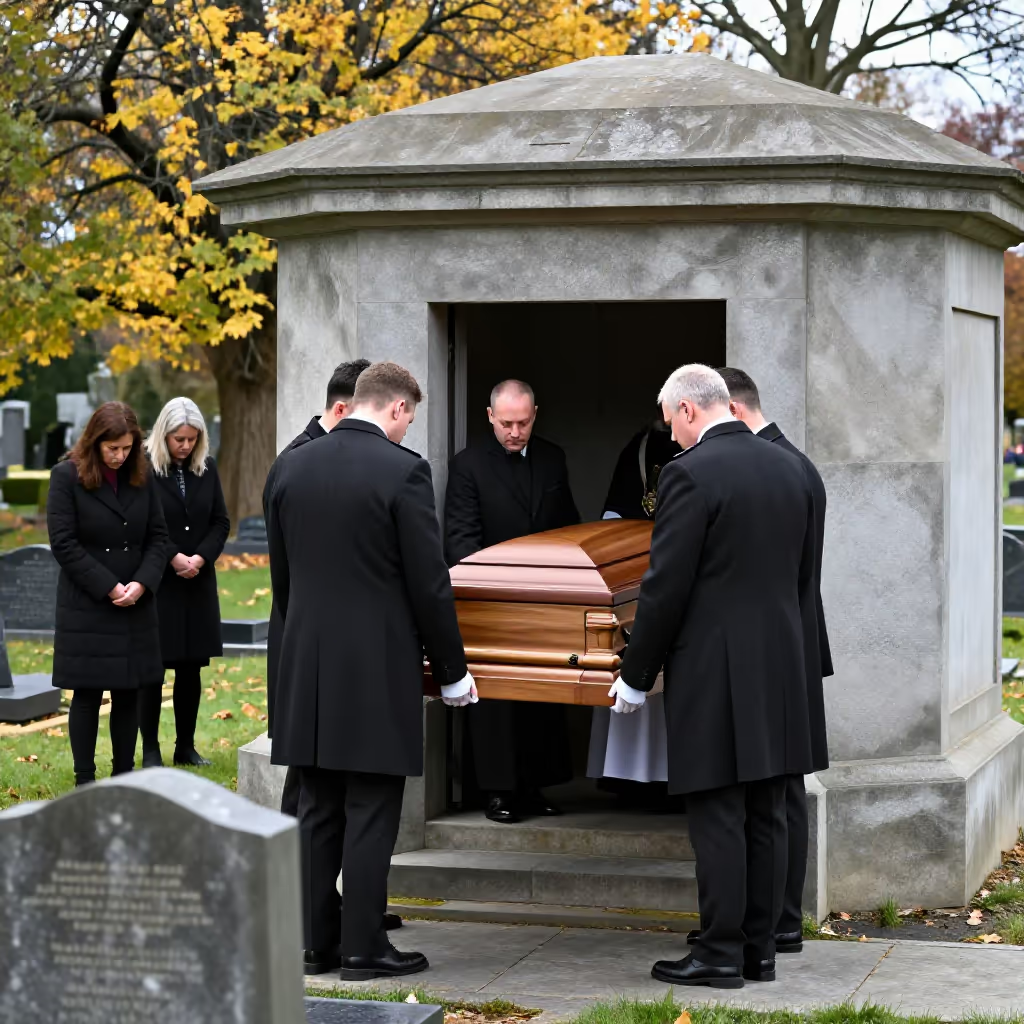
To ceremonially bury a deceased person, usually in a crypt, mausoleum, or grave. The term is often used in official or elevated language.
Die Urne wurde im Familiengrab beigesetzt.
The urn was interred in the family grave.

to inter / set
Loading your saved state.
to inter
To ceremonially bury a deceased person, usually in a crypt, mausoleum, or grave. The term is often used in official or elevated language.
Die Urne wurde im Familiengrab beigesetzt.
The urn was interred in the family grave.
'Beisetzen' (to inter/set) is a separable verb. The prefix 'bei-' comes at the end in a main clause. In subordinate clauses and in the infinitive with 'zu', the verb stays together.
Man setzte die Urne in einer kleinen Zeremonie bei.
The urn was interred in a small ceremony.
The verb is made up of 'bei' (by/near/with) and 'setzen' (to set/place). The literal meaning is 'dazu setzen' (to set/add to it) or 'daneben setzen' (to set beside it). This fits both burial (placing someone with the other deceased) and seafaring (setting an additional sail).
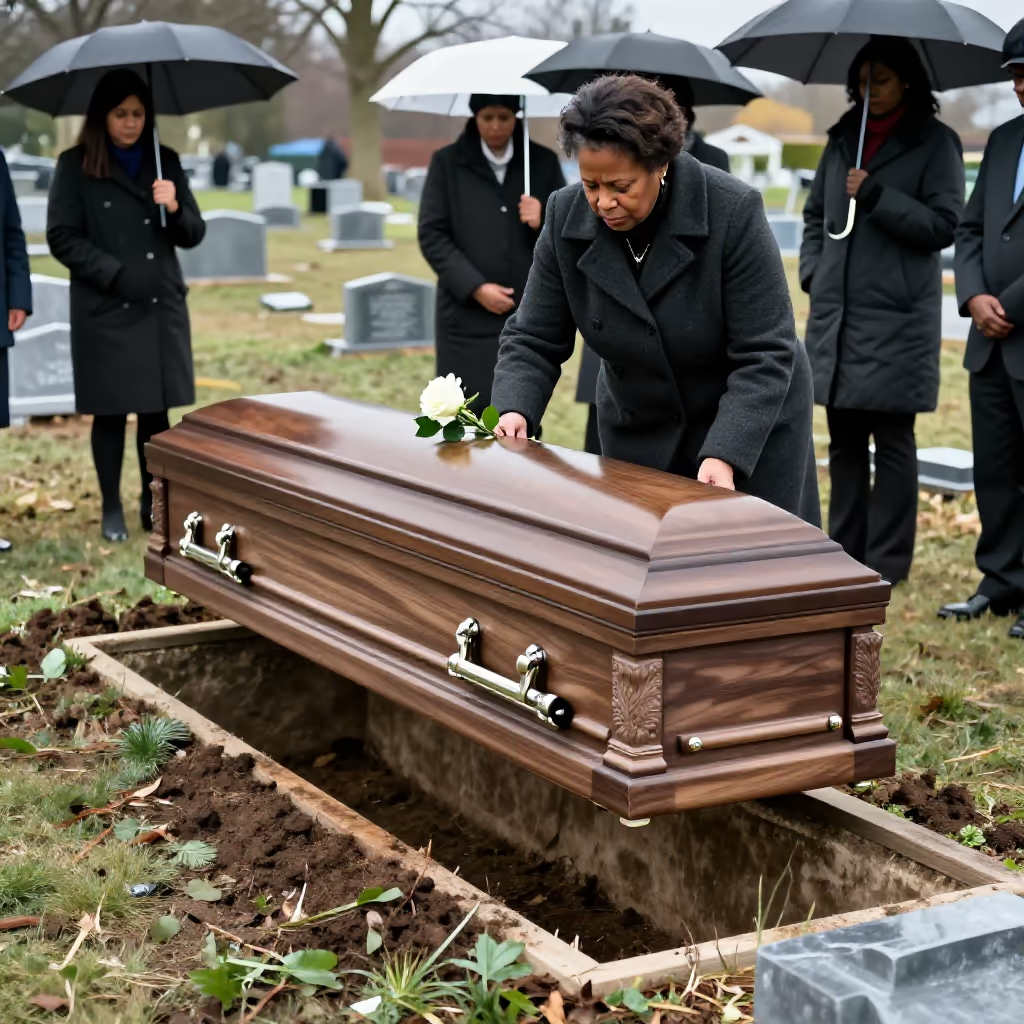
Der Sarg wurde in der Gruft beigesetzt.
The coffin was interred in the crypt.
This word belongs to elevated or formal language. It is used mainly in official contexts or for solemn occasions to describe a burial.
Der verstorbene König wurde in der Kathedrale beigesetzt.
The deceased king was interred in the cathedral.
This meaning is very specific and belongs to the technical language of seafaring. Outside this context, you will hardly hear or read it.
Um schneller zu sein, müssen wir die Leesegel beisetzen.
To be faster, we have to set the studding sails.
to set / put
'setzen' and 'beisetzen' both have to do with a place or location, but they are used in very different situations. 'setzen' is a normal, general verb: you put something in a specific place. 'beisetzen' is used for a deceased person who is ceremonially buried or interred. It sounds official or elevated and belongs to the topic of death and burial. The words may seem similar because of their form, but 'beisetzen' is not simply a normal variant of 'setzen'. For everyday placing or putting, you say 'setzen', not 'beisetzen'.

Die Familie ließ den Verstorbenen auf dem alten Friedhof beisetzen.
The family had the deceased interred in the old cemetery.
Bitte setz die Vase nicht direkt an den Rand des Tisches.
Please don't put the vase right on the edge of the table.