

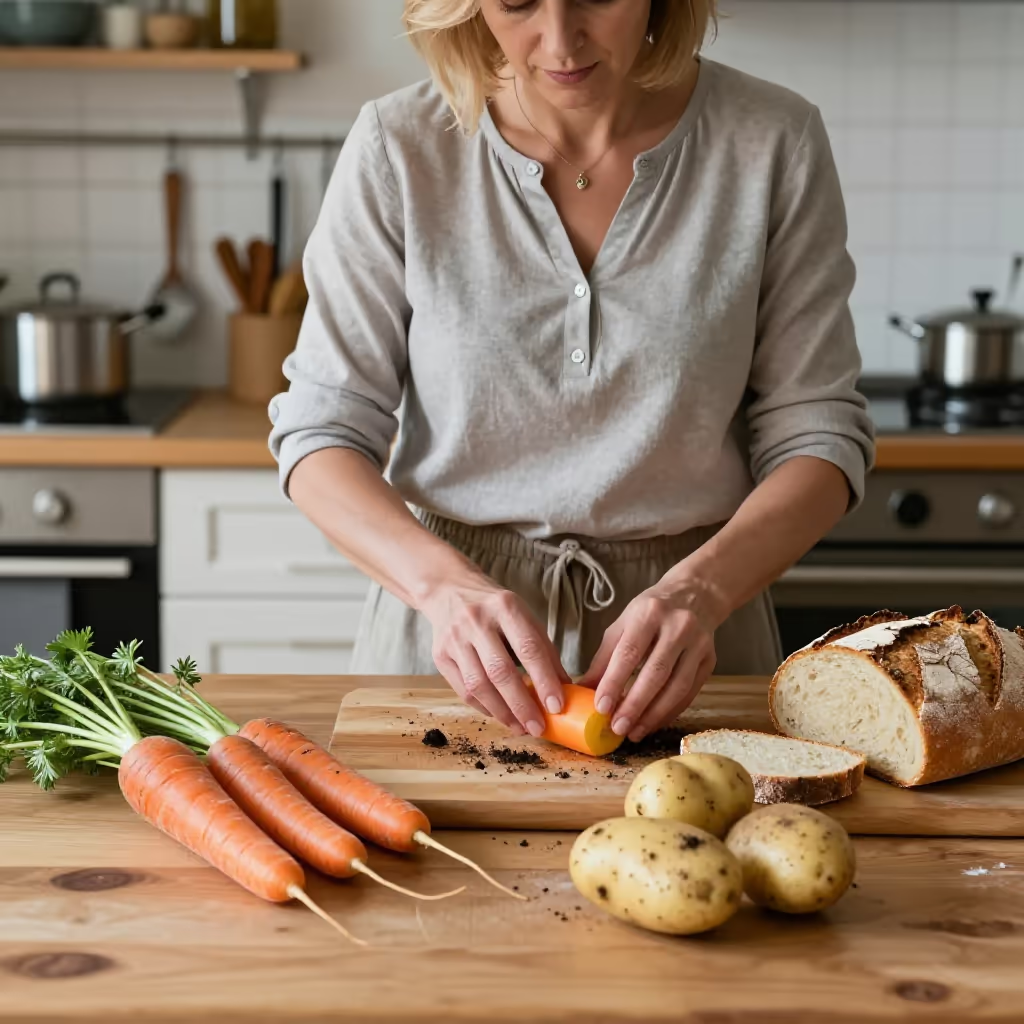
Describes something that has deliberately been left in a certain, usually original or natural state and is not changed.
example
Die Ruine wurde in ihrem belassenen Zustand als Denkmal für die Nachwelt erhalten.
The ruin was preserved in its unchanged state as a monument for future generations.
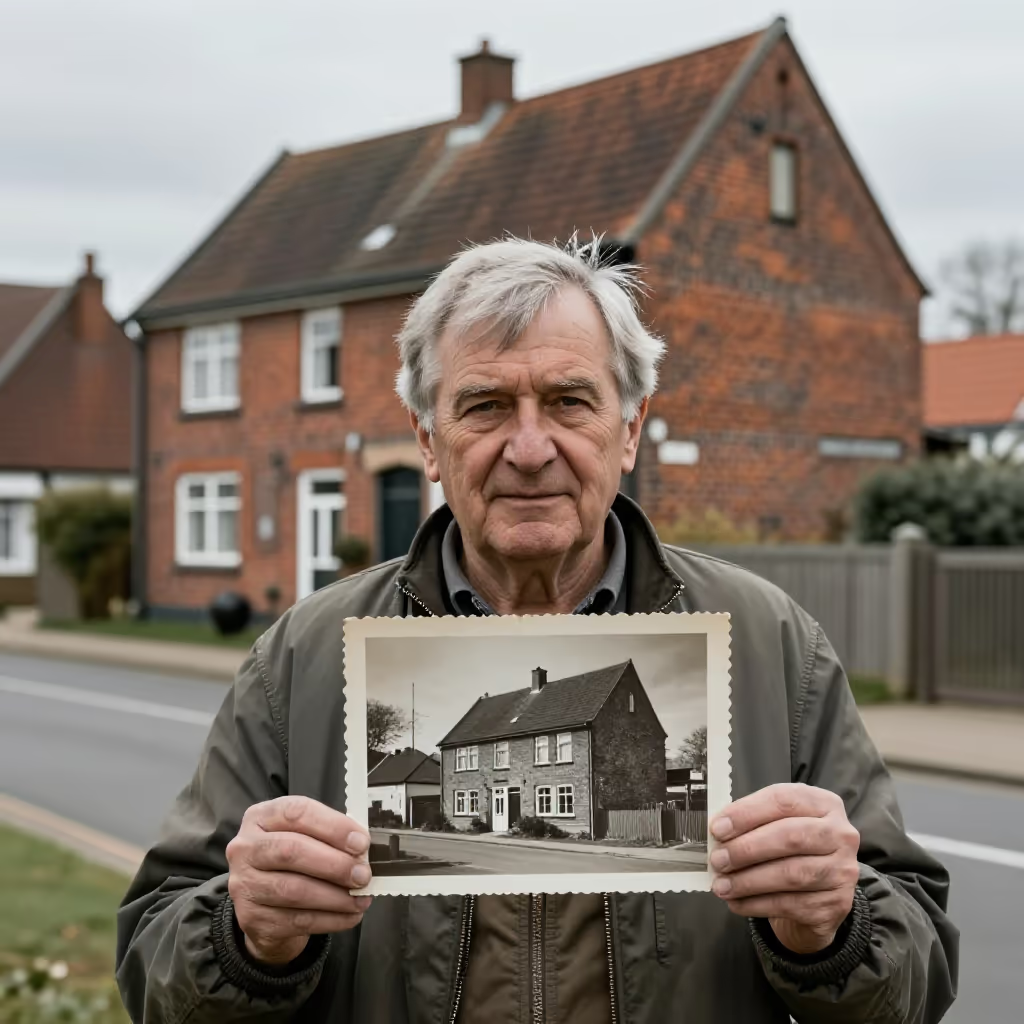
Usage tips
Word family
The adjective 'belassen' (left unchanged) is the past participle of the verb 'belassen' (to leave something as it is). This verb consists of the inseparable prefix 'be-' and the verb 'lassen' (to let/leave). It means to deliberately leave something in a particular state.
EXAMPLE
Die alte Fabrikmauer wurde bewusst so belassen.
The old factory wall was deliberately left that way.
Use as a verb
More common than the adjective is its use as part of a verbal expression, for example 'es bei etwas belassen' (to leave it at something). This means not to change a situation or not to continue a discussion.
EXAMPLE
Wir haben uns gestritten, aber dann haben wir es dabei belassen.
We had an argument, but then we left it at that.
Register and context
This word is often used in a formal or official context. It frequently describes the treatment of nature, monuments, or historical buildings that are meant to be preserved in their original state.
EXAMPLE
Der Park wurde als naturbelassene Fläche erhalten.
The park was preserved as a natural, untouched area.
Compare with
near_synonym · confusable
belassen vs lassen
to let / to have
'lassen' and 'belassen' both have to do with not changing something. With 'lassen', you generally say that something remains in a state or is not changed. 'belassen' more strongly describes that something is deliberately left in a certain, often original, state. It sounds more formal and is often used as a participle or in fixed phrases, for example 'unverändert belassen' (left unchanged). Learners may confuse the words because both can mean that you do not change anything. In everyday language, 'lassen' is usually more natural; 'belassen' fits better when you are deliberately talking about the state of a thing.
belassen
Die alte Holztür wurde im ursprünglichen Zustand belassen.
The old wooden door was left in its original state.
lassen
Wir lassen die Möbel im Wohnzimmer so, wie sie sind.
We are leaving the furniture in the living room as it is.