

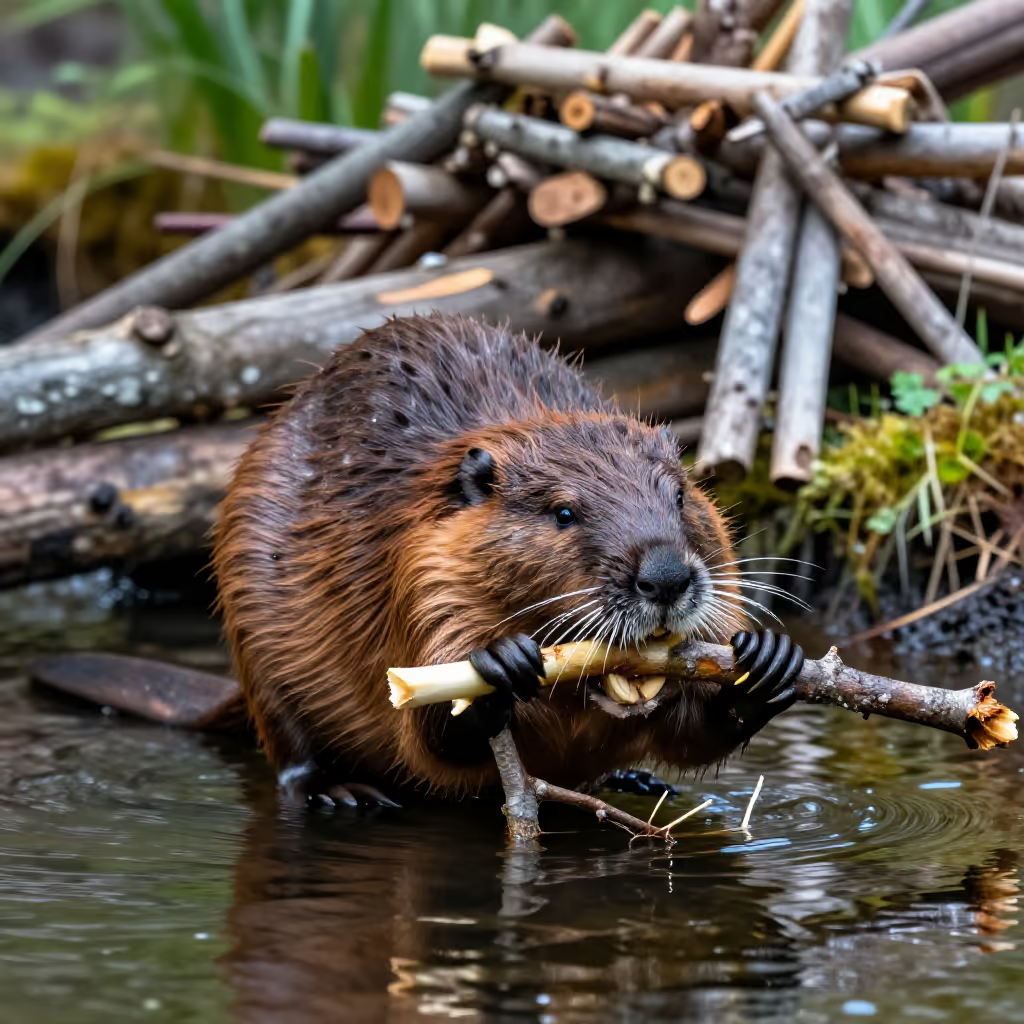
der Biber
beaver
A large aquatic rodent known for building dams and lodges out of wood.
EXAMPLE
An dem Fluss kann man die Spuren des Bibers deutlich erkennen.
You can clearly see the traces of the beaver by the river.
beaver
Loading your saved state.
beaver
A large aquatic rodent known for building dams and lodges out of wood.
An dem Fluss kann man die Spuren des Bibers deutlich erkennen.
You can clearly see the traces of the beaver by the river.
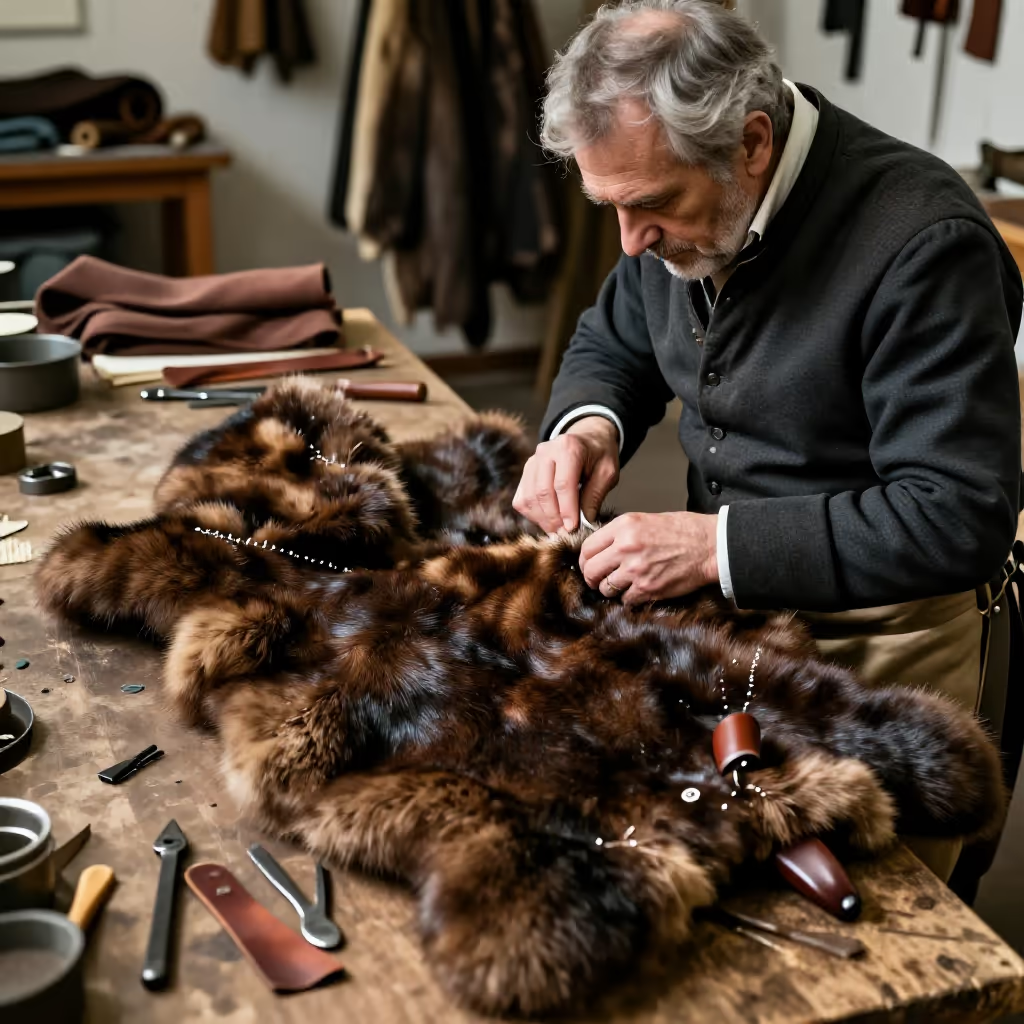
beaver fur
The dense, water-repellent fur of the beaver, which used to be made into fur clothing.
Ein Kragen aus Biber galt einst als Zeichen von Wohlstand.
A collar made of beaver fur was once considered a sign of wealth.
The word 'Biber' (beaver) is the core of compounds that refer to its way of life. The best-known ones are 'der Biberdamm' (the barrier in the water built by a beaver) and 'die Biberburg' (its lodge).
Wanderer entdeckten einen frisch gebauten Biberdamm am Bach.
Hikers discovered a freshly built beaver dam by the stream.
When referring to the animal, 'Biber' is often used with the verbs 'bauen' (to build) and 'fällen' (to fell). These describe its characteristic activities.
Der Biber fällt Bäume, um an Nahrung zu gelangen.
The beaver fells trees in order to get food.
You can usually recognize the meaning 'Fell' (fur) from the context of clothing or material. 'Biber' then often appears with the preposition 'aus' (made of), for example 'ein Kragen aus Biber' (a collar made of beaver fur).
Früher waren Mäntel aus Biber sehr beliebt.
In the past, coats made of beaver fur were very popular.