

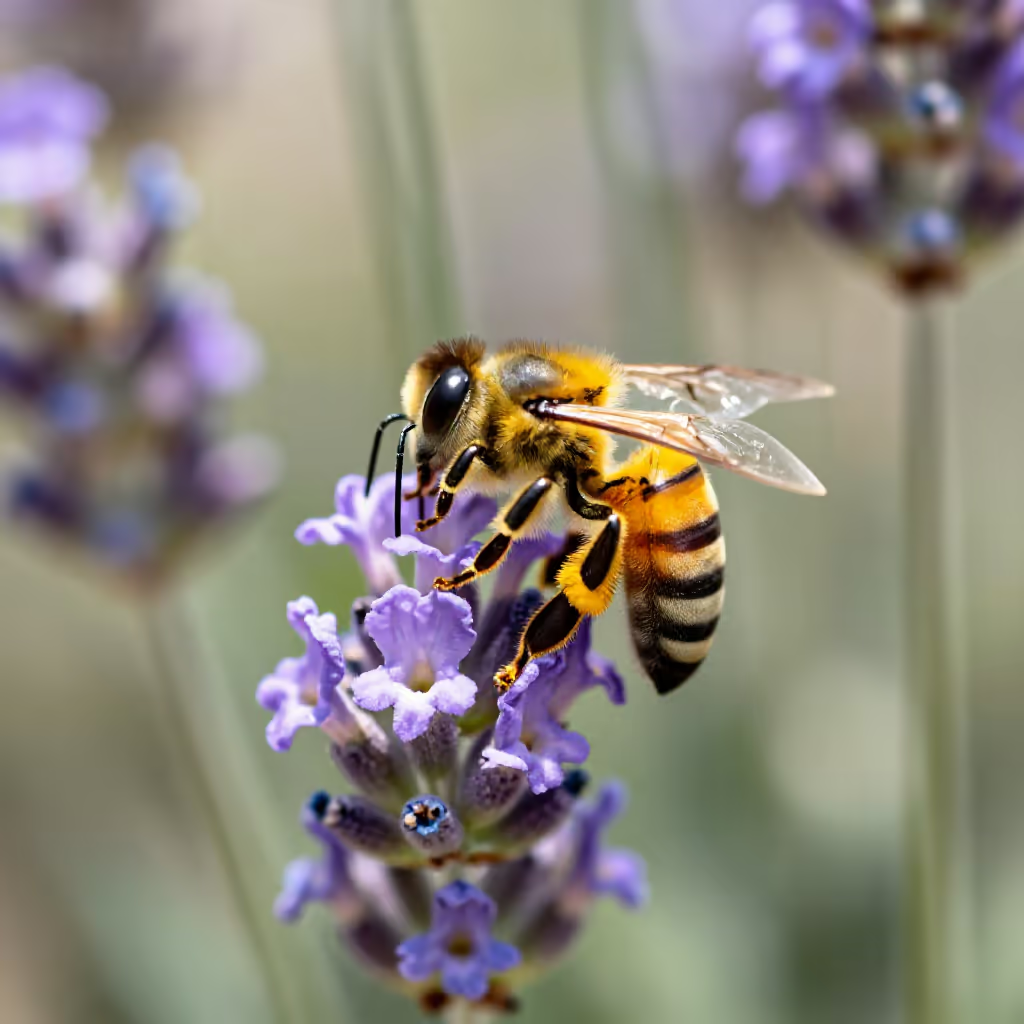
die Biene
bee
A yellow-and-black striped insect that collects nectar, produces honey, and is important for pollinating plants.
EXAMPLE
Eine Biene summte von Blüte zu Blüte.
A bee buzzed from flower to flower.
bee
Loading your saved state.
bee
A yellow-and-black striped insect that collects nectar, produces honey, and is important for pollinating plants.
Eine Biene summte von Blüte zu Blüte.
A bee buzzed from flower to flower.
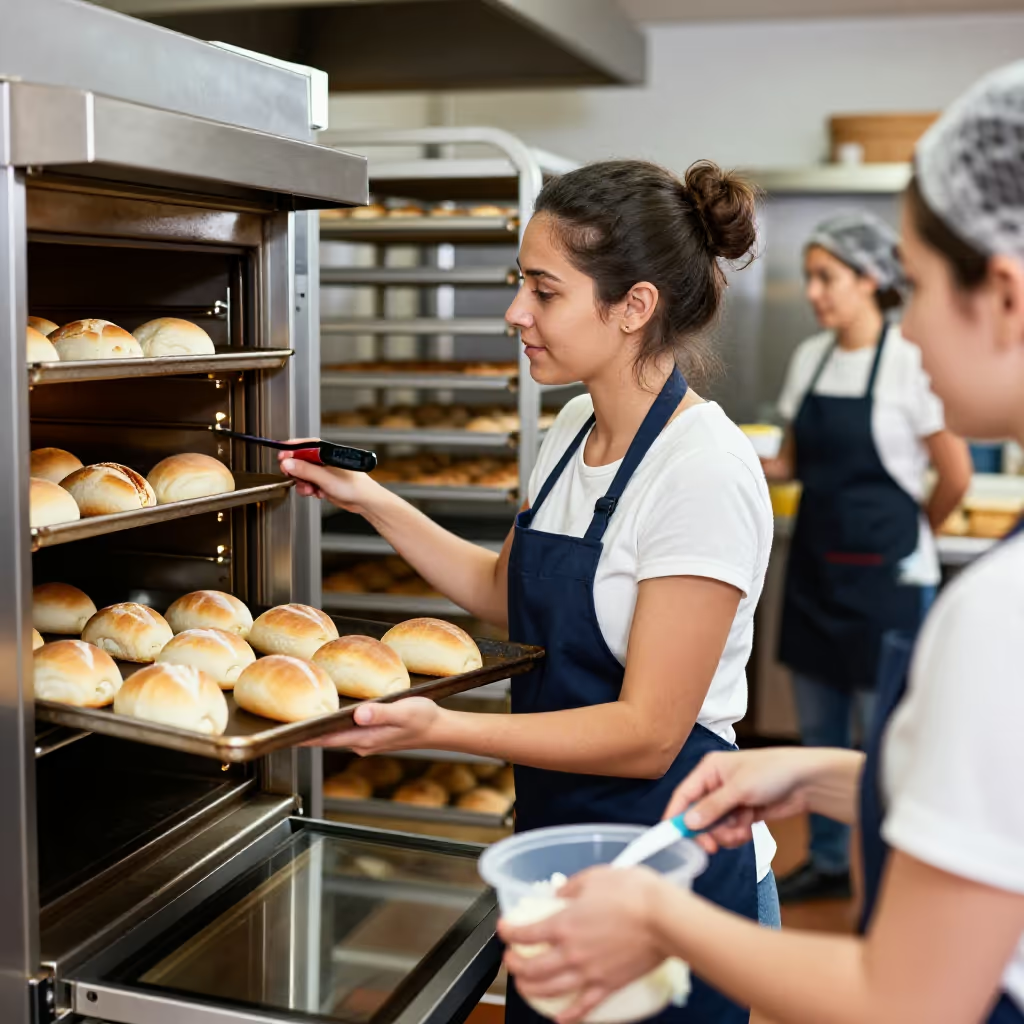
busy bee
A colloquial, figurative term for a very hardworking and busy person, often in the expression 'fleißig wie eine Biene' (as busy as a bee).
Seit sie das neue Projekt leitet, ist sie fleißig wie eine Biene.
Since she started leading the new project, she has been as busy as a bee.
The word 'Biene' (bee) is the basis for many useful compound nouns. If you know 'Biene', you can more easily understand words like 'Bienenstock' (beehive), 'Bienenhonig' (bee honey), or 'Bienenstich' (bee sting; also a cake).
Im Garten haben wir einen Bienenstock für Wildbienen aufgestellt.
In the garden, we set up a beehive for wild bees.
Certain verbs are often used in connection with bees. Bees 'summen' (buzz), 'fliegen' (fly), 'sammeln' (collect) nectar, and can 'stechen' (sting).
Pass auf, dass dich die Biene nicht sticht!
Be careful that the bee doesn't sting you!
The expression 'fleißig wie eine Biene sein' (to be as busy as a bee) is a very common comparison. It describes a person who is very hardworking and busy.
Meine Kollegin ist vor der Präsentation fleißig wie eine Biene.
My colleague is as busy as a bee before the presentation.
ant
Biene and Ameise both symbolize industriousness. For a very hardworking and busy person, however, the comparison “fleißig wie eine Biene” (as busy as a bee) is commonly used. Ameise is also associated with industriousness, but in the meaning given here it refers to the organized insect and not directly to a person.
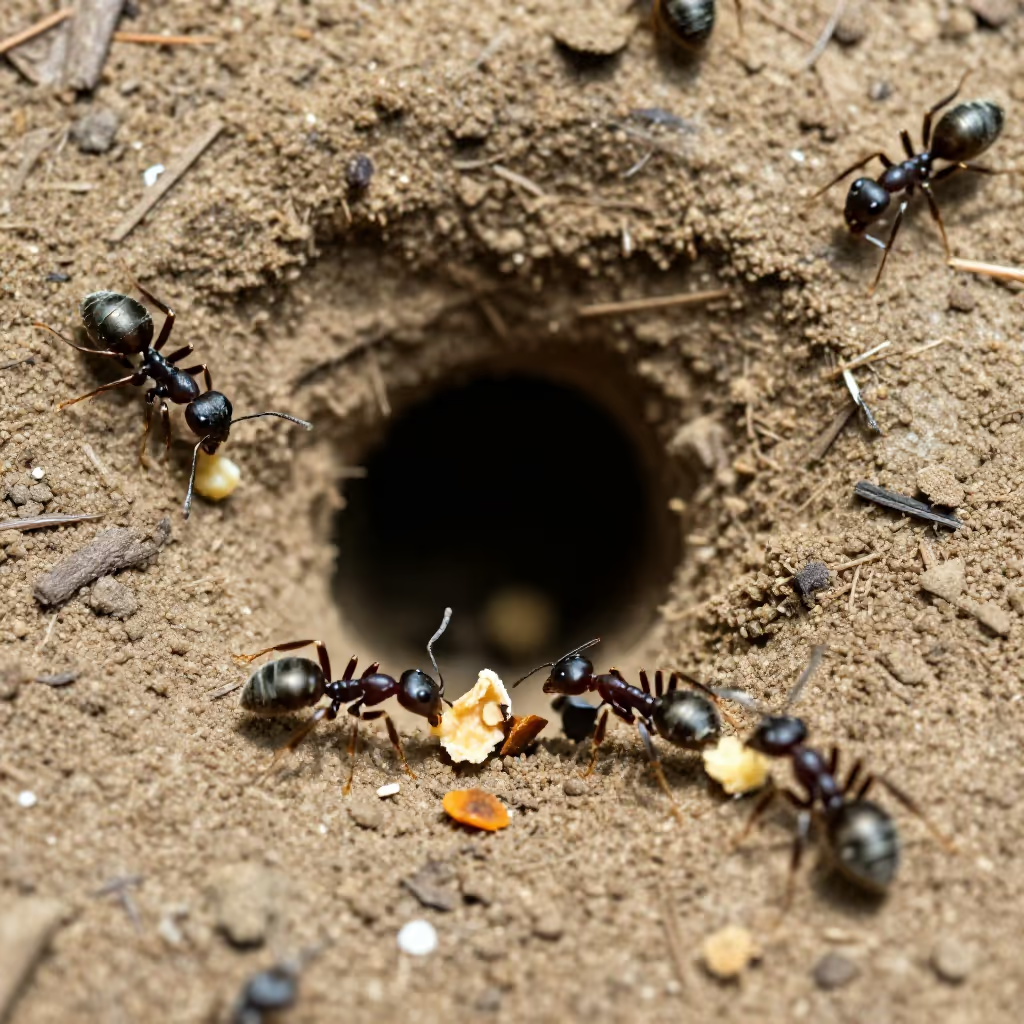
Vor der Eröffnung arbeitet Mia fleißig wie eine Biene.
Mia is working like a busy bee before the opening.
Wie eine Ameise trägt Mia unermüdlich eine Kiste nach der anderen ins Geschäft.
Like an ant, Mia tirelessly carries one crate after another into the shop.