

das Bläschen
bubble
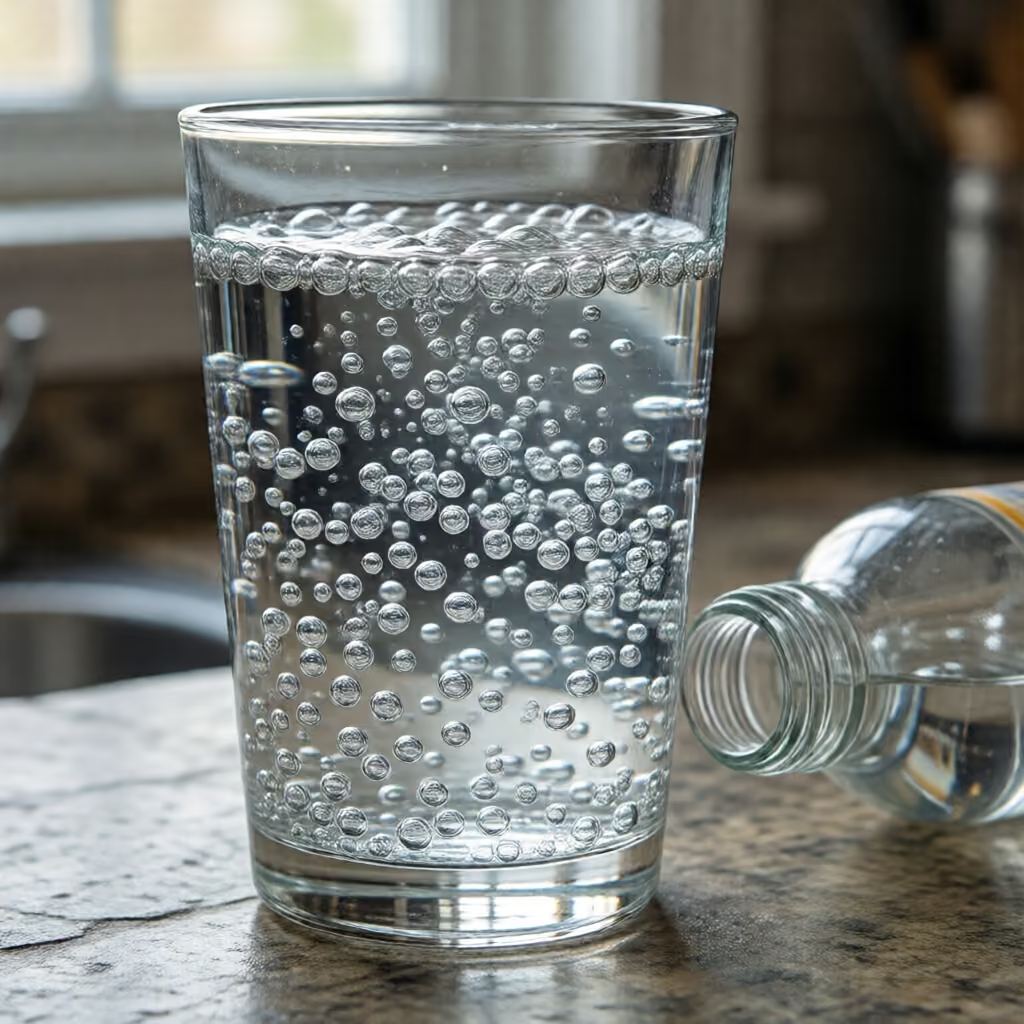
A small, usually round accumulation of air or another gas in a liquid or solid material.
EXAMPLE
Im Mineralwasser stiegen viele kleine Bläschen auf.
Many small bubbles rose to the surface in the mineral water.
bubble / blister
das Bläschen, die Bläschen
Loading your saved state.
bubble
A small, usually round accumulation of air or another gas in a liquid or solid material.
Im Mineralwasser stiegen viele kleine Bläschen auf.
Many small bubbles rose to the surface in the mineral water.
blister
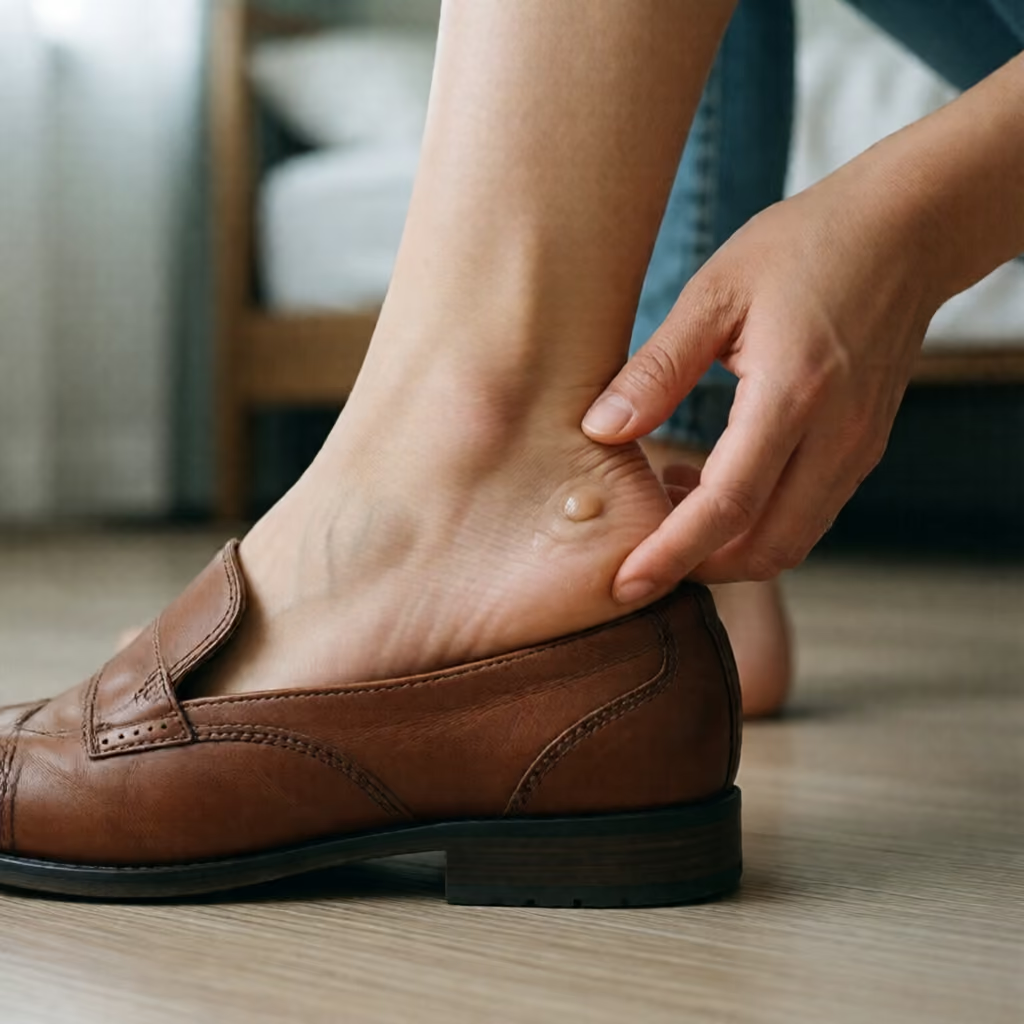
A small, fluid-filled raised area on the skin that can develop, for example, through friction or a burn.
Vom neuen Schuh bekam sie ein schmerzendes Bläschen an der Ferse.
Her new shoe gave her a painful blister on her heel.
vesicle
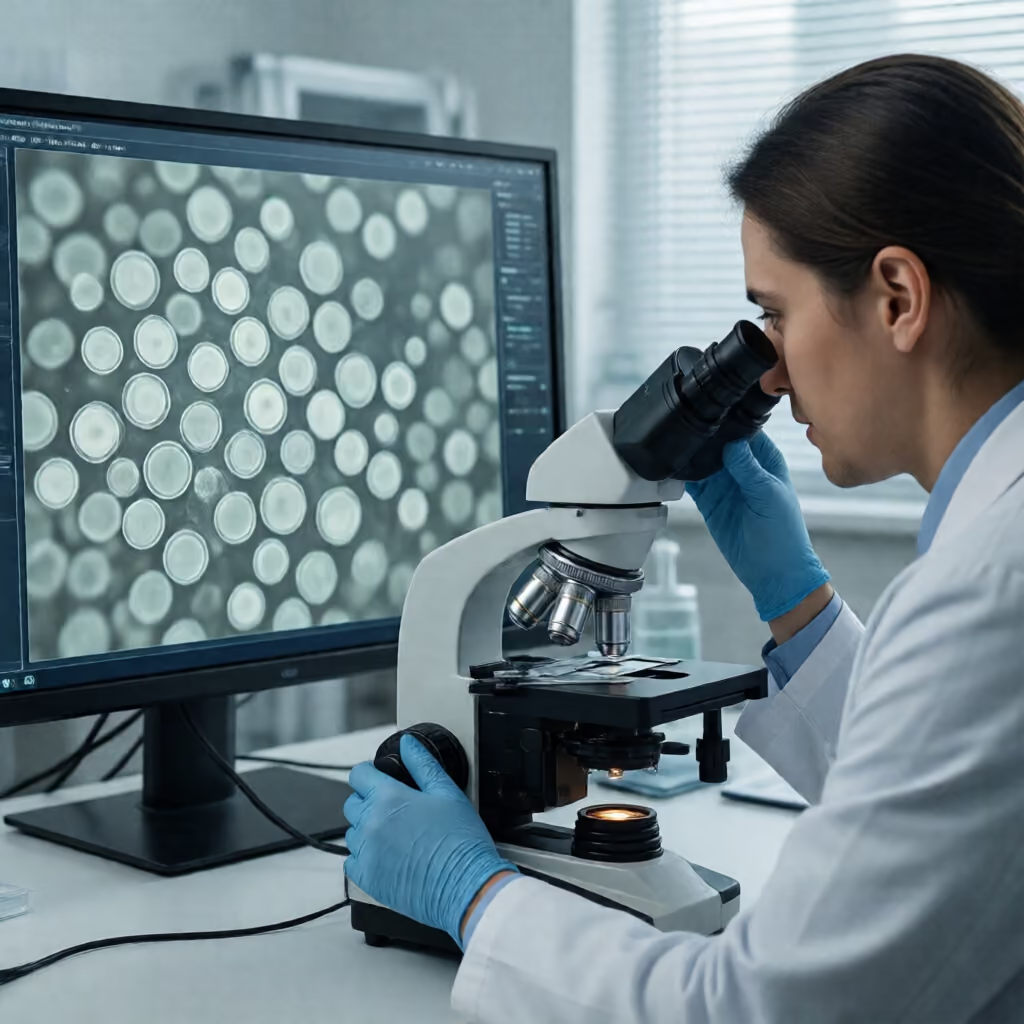
In medicine or biology, a small, often rounded cavity or a small blister-like structure in a tissue or organ.
Unter dem Mikroskop waren zahlreiche kleine Bläschen im Gewebe zu erkennen.
Numerous small vesicles could be seen in the tissue under the microscope.
| gender | neuter das |
|---|---|
| plural | die Bläschen |
| genitive | des Bläschens |
| singular | plural | |
|---|---|---|
| nominative | das Bläschen | die Bläschen |
| accusative | das Bläschen | die Bläschen |
| dative | dem Bläschen | den Bläschen |
| genitive | des Bläschens | der Bläschen |
The article changes with the case; it is shown in colour.
'Bläschen' (small bubble) is derived from 'Blase' (bladder / bubble) with the ending '-chen'. The ending indicates a small form; the vowel changes to 'ä', and the word takes the ending '-chen'.
Auf der Oberfläche des Tees bildeten sich winzige Bläschen.
Tiny bubbles formed on the surface of the tea.
When referring to liquids, 'Bläschen' (bubbles) often occurs with words such as 'aufsteigen' (to rise), 'zerplatzen' (to burst), or 'bilden' (to form). 'Luftbläschen' (air bubble) and 'Gasbläschen' (gas bubble) are also typical compounds.
Im Sekt zerplatzen die Bläschen schnell an der Oberfläche.
In the sparkling wine, the bubbles quickly burst at the surface.
When referring to the skin, body parts and causes often occur together with 'Bläschen' (blister), for example friction on the heel or a burn on the finger. Typical phrases include 'ein Bläschen bekommen' (to get a blister) and 'ein Bläschen an der Ferse haben' (to have a blister on one's heel).
Nach der langen Wanderung hatte er ein Bläschen an der großen Zehe.
After the long hike, he had a blister on his big toe.
The medical or biological meaning can often be recognized from words used in technical texts, such as 'Gewebe' (tissue), 'Organ' (organ), 'Zelle' (cell), or 'Mikroskop' (microscope). In this context, 'Bläschen' (vesicle) often refers to a specific structure rather than a visible skin injury.
Im Präparat waren mehrere Bläschen innerhalb der Zellen zu erkennen.
Several vesicles could be seen inside the cells in the specimen.