

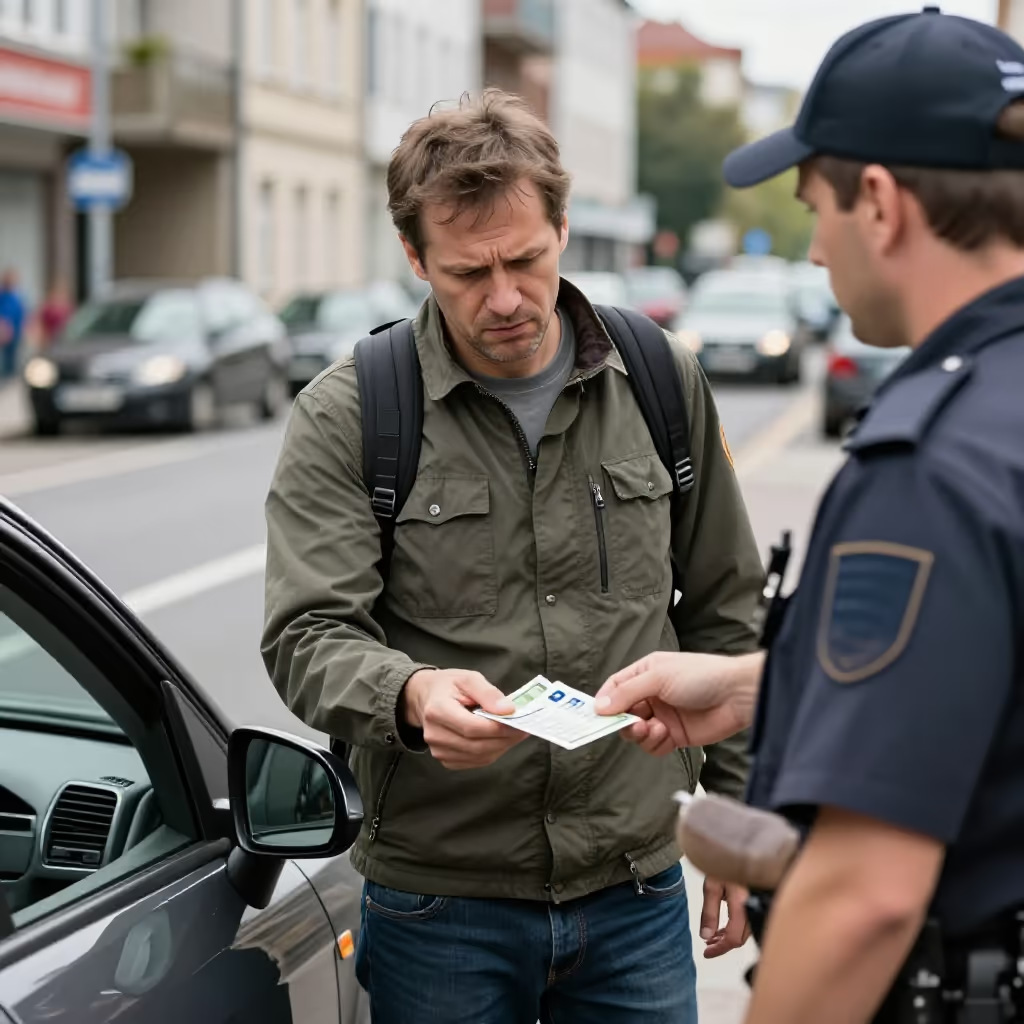
blechen
to fork out
Colloquial expression for paying, usually reluctantly or for a fine.
EXAMPLE
Für das Falschparken musste ich ordentlich blechen.
I had to fork out quite a bit for parking illegally.
to fork out
Loading your saved state.
to fork out
Colloquial expression for paying, usually reluctantly or for a fine.
Für das Falschparken musste ich ordentlich blechen.
I had to fork out quite a bit for parking illegally.
'Blechen' (to fork out) is a colloquial word. It is used in informal conversations, but not in formal texts or situations, as it can sound slightly negative.
Wenn du ohne Ticket erwischt wirst, musst du richtig blechen.
If you get caught without a ticket, you'll really have to fork out.
The word almost always has a negative connotation. It means that you have to pay for something you don't actually want, for example a fine or an unexpectedly high bill.
Für die kleine Reparatur am Auto musste ich 200 Euro blechen.
I had to fork out 200 euros for the small repair on the car.
'Blechen' (to fork out) is often intensified with adverbs like 'ordentlich' (quite a bit), 'kräftig' (heavily), or 'tüchtig' (a lot) to emphasize that it is a large sum.
Wer zu schnell fährt und geblitzt wird, muss kräftig blechen.
Anyone who drives too fast and gets caught by a speed camera has to fork out heavily.
to pay
Bezahlen and blechen can both mean giving money for goods, a service, or a bill. Bezahlen is neutral and suitable in standard situations, whereas blechen is colloquial and often signals reluctance or a penalty. For factual statements, bezahlen is therefore the safer choice.

Für den Strafzettel musste er wieder hundert Euro blechen.
He had to fork out another hundred euros for the parking ticket.
Ich muss die Rechnung heute noch bezahlen.
I still have to pay the bill today.