

bluten
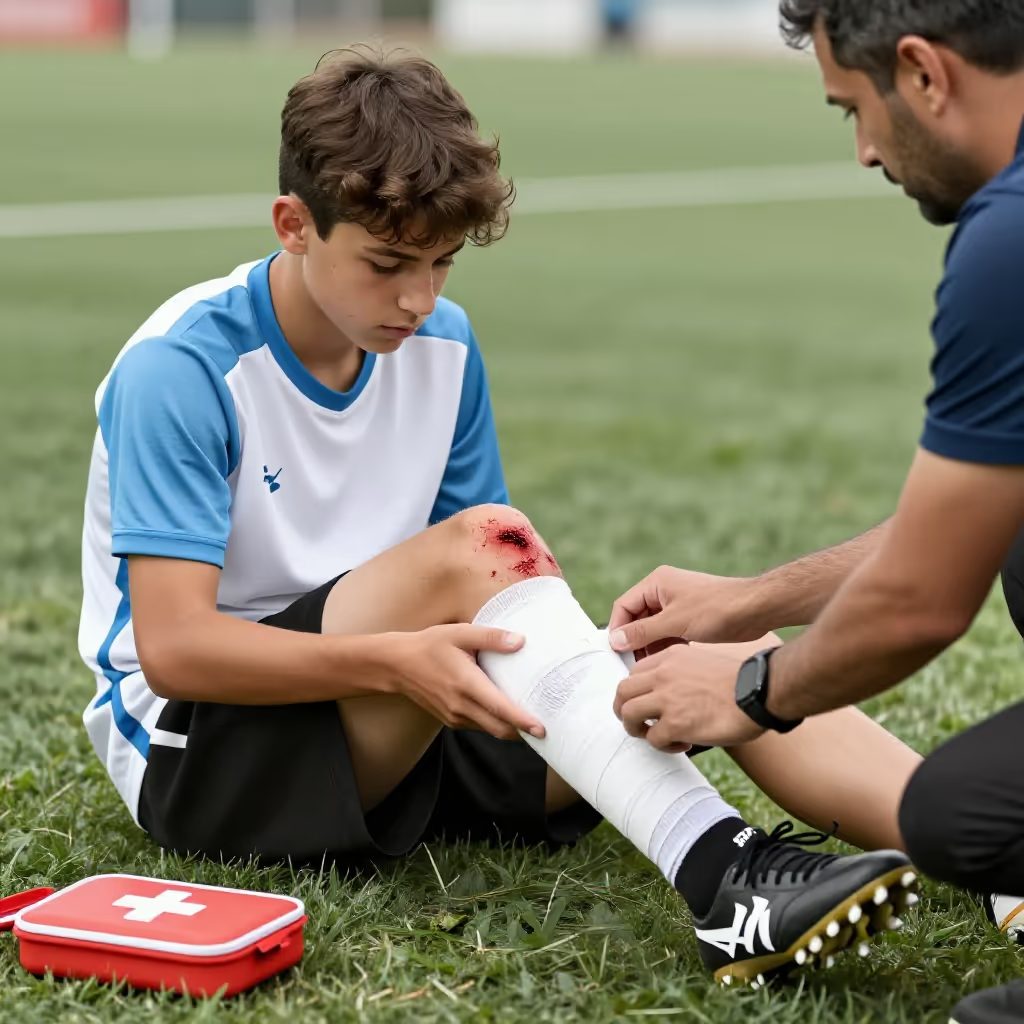
to bleed
To lose blood from a wound or a body opening.
EXAMPLE
Nach dem Sturz vom Fahrrad hat mein Knie stark geblutet.
After falling off the bike, my knee bled heavily.
to bleed
Loading your saved state.
to bleed
To lose blood from a wound or a body opening.
Nach dem Sturz vom Fahrrad hat mein Knie stark geblutet.
After falling off the bike, my knee bled heavily.

to pay dearly
Colloquially, to be forced to pay a lot of money for something.
Für die Autoreparatur musste ich ordentlich bluten.
I really had to pay dearly for the car repair.
to bleed
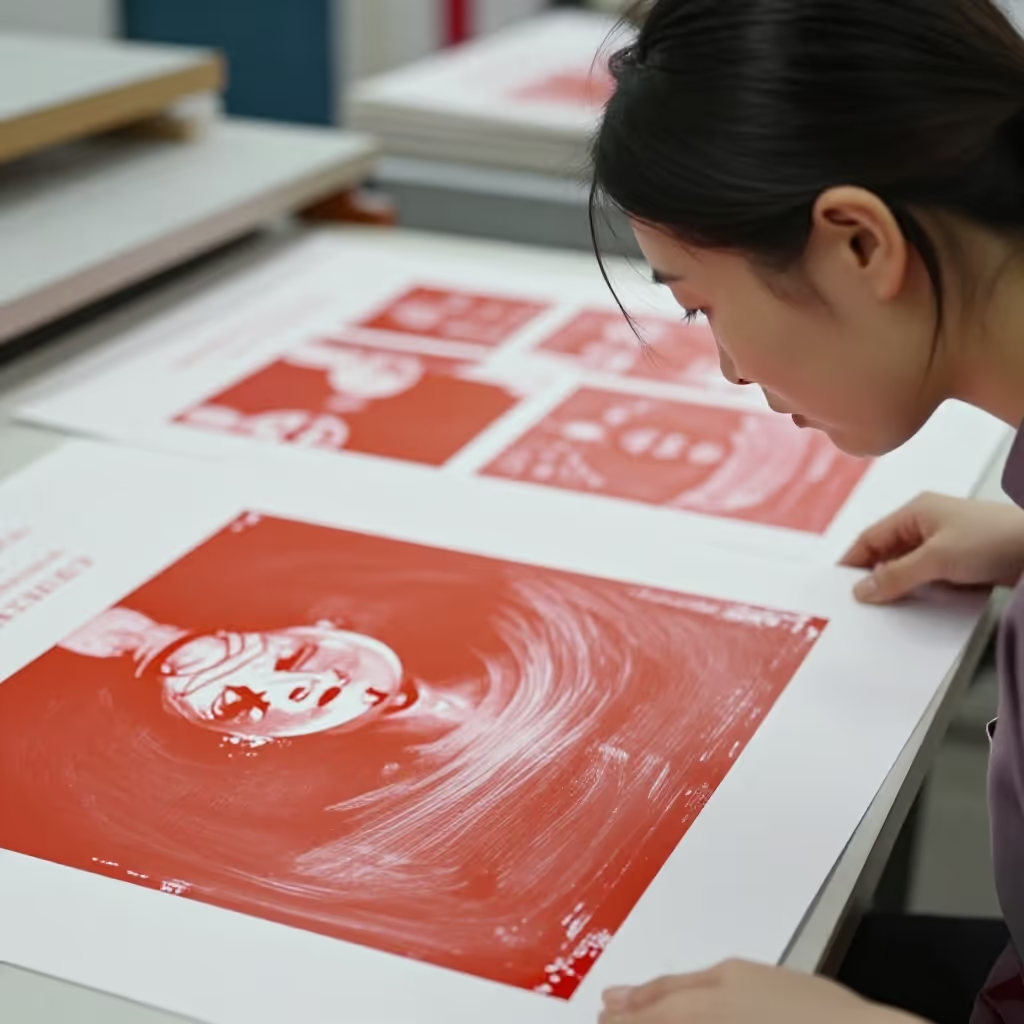
A technical term in printing for when ink runs beyond the intended area or shows through on the back of the paper.
Bei diesem billigen Papier blutet die Tinte des Füllers leider durch.
With this cheap paper, the fountain pen ink unfortunately bleeds through.
The verb 'bluten' (to bleed) is directly connected to the noun 'das Blut' (blood). When you bleed, you lose blood.
Überall auf dem Boden war Blut.
There was blood all over the floor.
Although 'bluten' (to bleed) describes a kind of change, the perfect tense is always formed with the auxiliary verb 'haben' (to have), not with 'sein' (to be).
Er hat nach dem Zahnarztbesuch noch lange geblutet.
He bled for a long time after the dentist appointment.
To name the place that is bleeding, you usually use the preposition 'aus' (from/out of) with dative or 'an' (on/at) with dative.
Das Kind blutet aus der Nase.
The child is bleeding from the nose.
In the colloquial meaning 'to pay a lot of money', the preposition 'für' (for) is often used to state the reason for the high costs.
Für das neue Dach mussten wir ganz schön bluten.
We really had to pay dearly for the new roof.