


checken
to check
Colloquial for to check, inspect, or verify.
EXAMPLE
Kannst du kurz die E-Mails checken?
Can you quickly check the emails?
to check / get
Loading your saved state.
to check
Colloquial for to check, inspect, or verify.
Kannst du kurz die E-Mails checken?
Can you quickly check the emails?
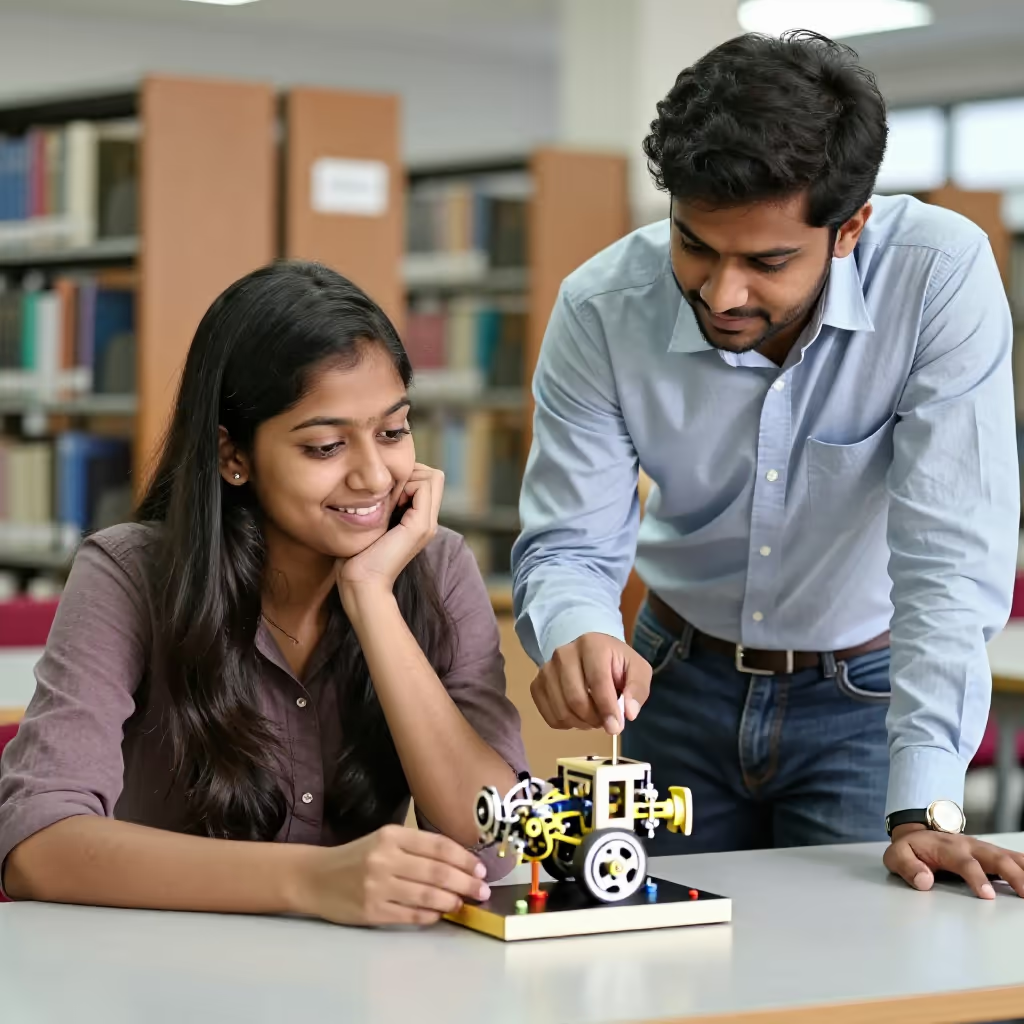
to get
Colloquial for to understand or grasp.
Ich habe die Erklärung zweimal gehört, aber ich checke es einfach nicht.
I heard the explanation twice, but I just don't get it.
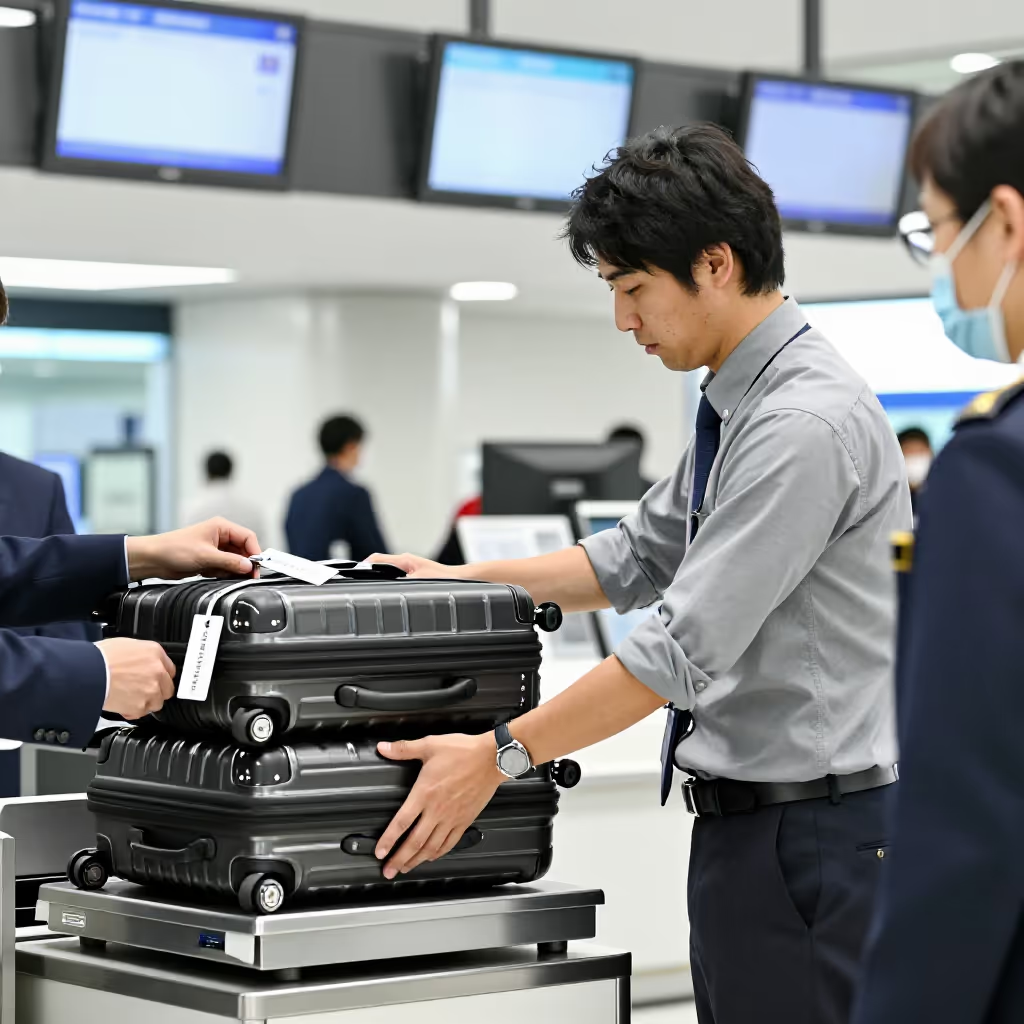
to check in
Colloquial for completing the check-in process at an airport or hotel, especially checking in luggage.
Wir müssen unser Gepäck noch checken, bevor wir zum Gate gehen.
We still have to check in our luggage before we go to the gate.
'Checken' (to check/get) is a word from English and is used almost exclusively in colloquial language. In formal or written contexts, German verbs like 'prüfen' (to check), 'kontrollieren' (to inspect/control), or 'verstehen' (to understand) are more common.
Lass uns mal die Abfahrtszeiten für den Zug checken.
Let's check the departure times for the train.
The meaning of 'checken' (to check/get) depends on the object. If it has a concrete object (e.g. emails, a list), it means 'prüfen' (to check). If it is used without an object or with 'es' (it), it usually means 'verstehen' (to understand).
Ich habe die Rechnung gecheckt, alles stimmt.
I checked the invoice; everything is correct.
In the meaning 'verstehen' (to understand), 'checken' (to get) is very often used in questions or negative sentences to express that one does or does not grasp something.
Checkst du, wie die neue Software funktioniert?
Do you get how the new software works?
to get
Here, checken and kapieren both mean to understand in colloquial language. Checken usually sounds younger, more slang-like, and more influenced by English. Kapieren is also informal, but is less closely associated with youth language; both words can nevertheless be used in many informal situations.
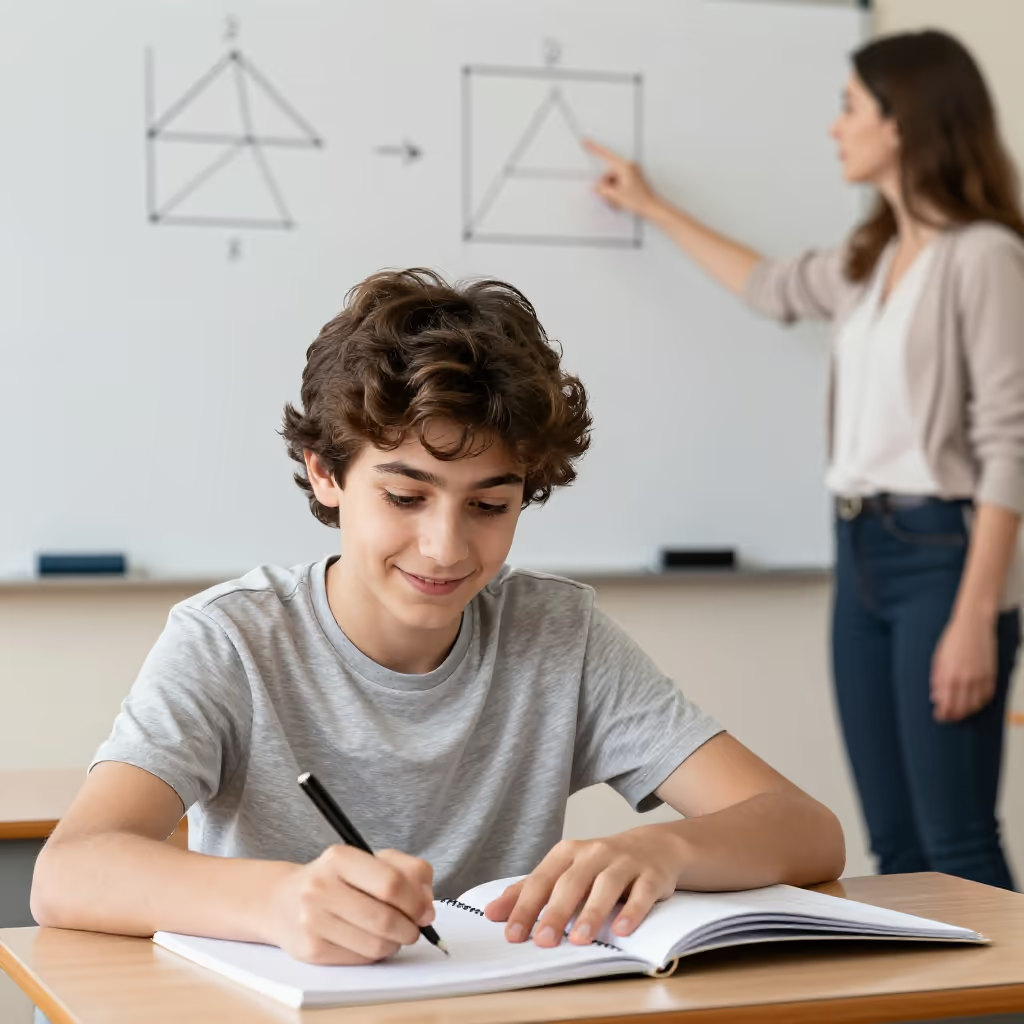
Im Chat mit seinen Freunden schreibt der Schüler, dass er die Aufgabe jetzt endlich checkt.
In a chat with his friends, the student writes that he finally gets the assignment.
Im lockeren Gespräch sagt sein Vater, dass er die Aufgabe jetzt endlich kapiert.
In a casual conversation, his father says that he finally gets the assignment.