

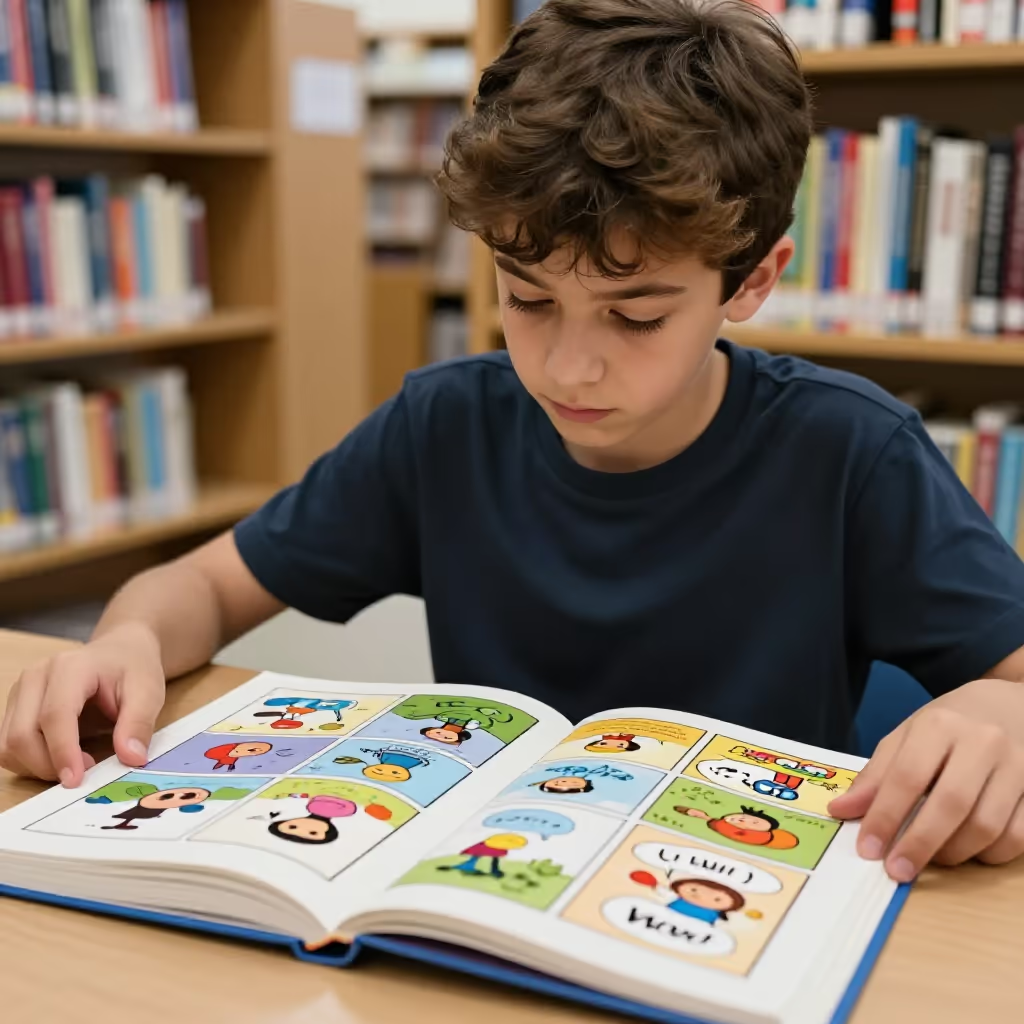
der Comic
comic
A story told in a sequence of drawn pictures, often supplemented by text in speech bubbles or boxes.
EXAMPLE
Als Kind habe ich am liebsten Comics über Superhelden gelesen.
As a child, I most liked reading comics about superheroes.
comic
Loading your saved state.
comic
A story told in a sequence of drawn pictures, often supplemented by text in speech bubbles or boxes.
Als Kind habe ich am liebsten Comics über Superhelden gelesen.
As a child, I most liked reading comics about superheroes.
'Comic' is a word from English, but in German it is used as a masculine noun with the article 'der'. The plural is 'die Comics'.
Mein kleiner Bruder liest am liebsten den neuen Comic.
My little brother most likes reading the new comic.
The word 'Comic-' is often used as the first part of compound nouns to describe something that has to do with comics. Examples are 'Comicfigur' (comic character), 'Comicheft' (comic book), or 'Comicsammlung' (comic collection).
Er hat ein ganzes Regal voller alter Comichefte.
He has a whole shelf full of old comic books.
Common verbs used together with 'Comic' are 'lesen' (to read), 'sammeln' (to collect), and 'zeichnen' (to draw).
Sie kann sehr gut Comics zeichnen.
She can draw comics very well.
stripe / film
Both der Streifen and der Comic can refer to a picture story made up of several drawn images. Streifen emphasizes the short, ongoing format, while Comic also includes longer stories or stories published in other formats. Streifen is especially suitable for a short newspaper story.
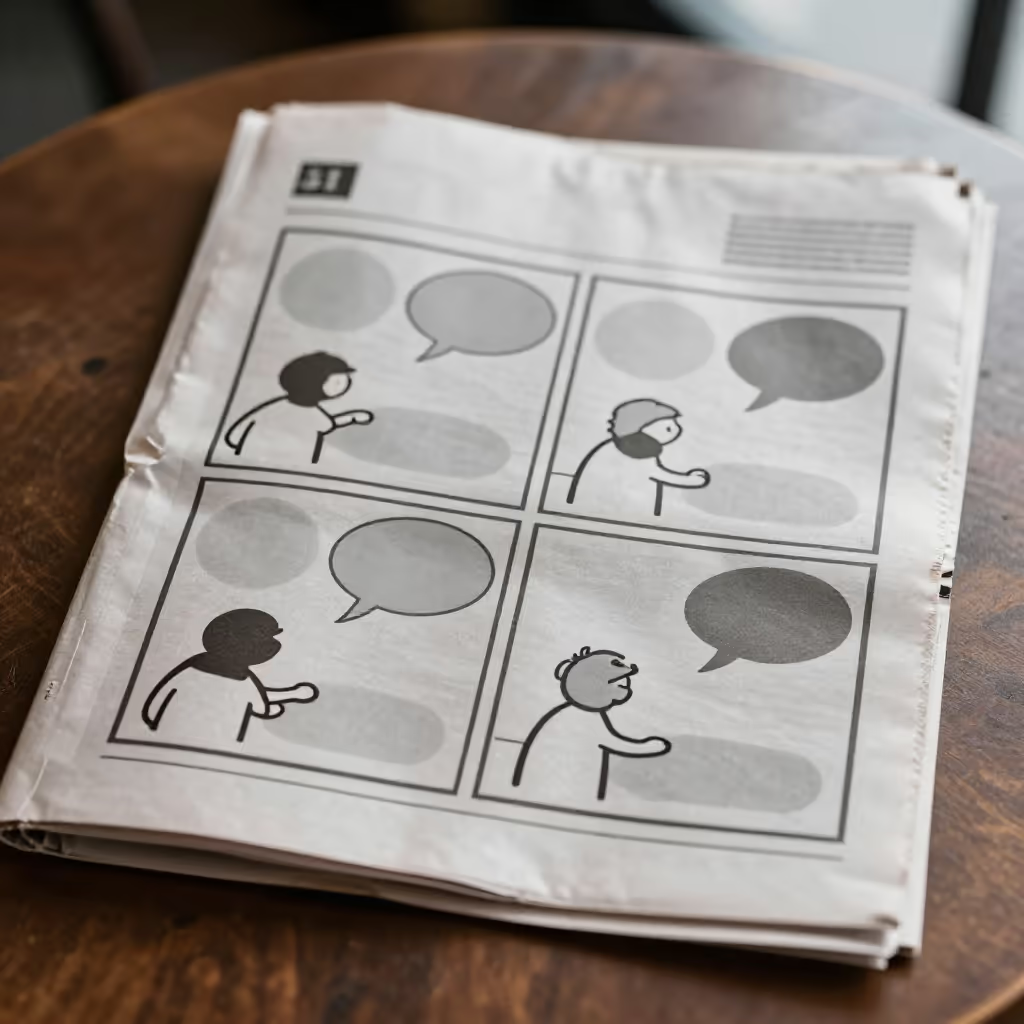
Der Comic im neuen Heft erzählt auf vielen Seiten eine längere Geschichte.
The comic in the new issue tells a longer story over many pages.
Der kurze Streifen in der Zeitung erzählt jeden Tag eine neue humorvolle Szene.
The short comic strip in the newspaper tells a new humorous scene every day.