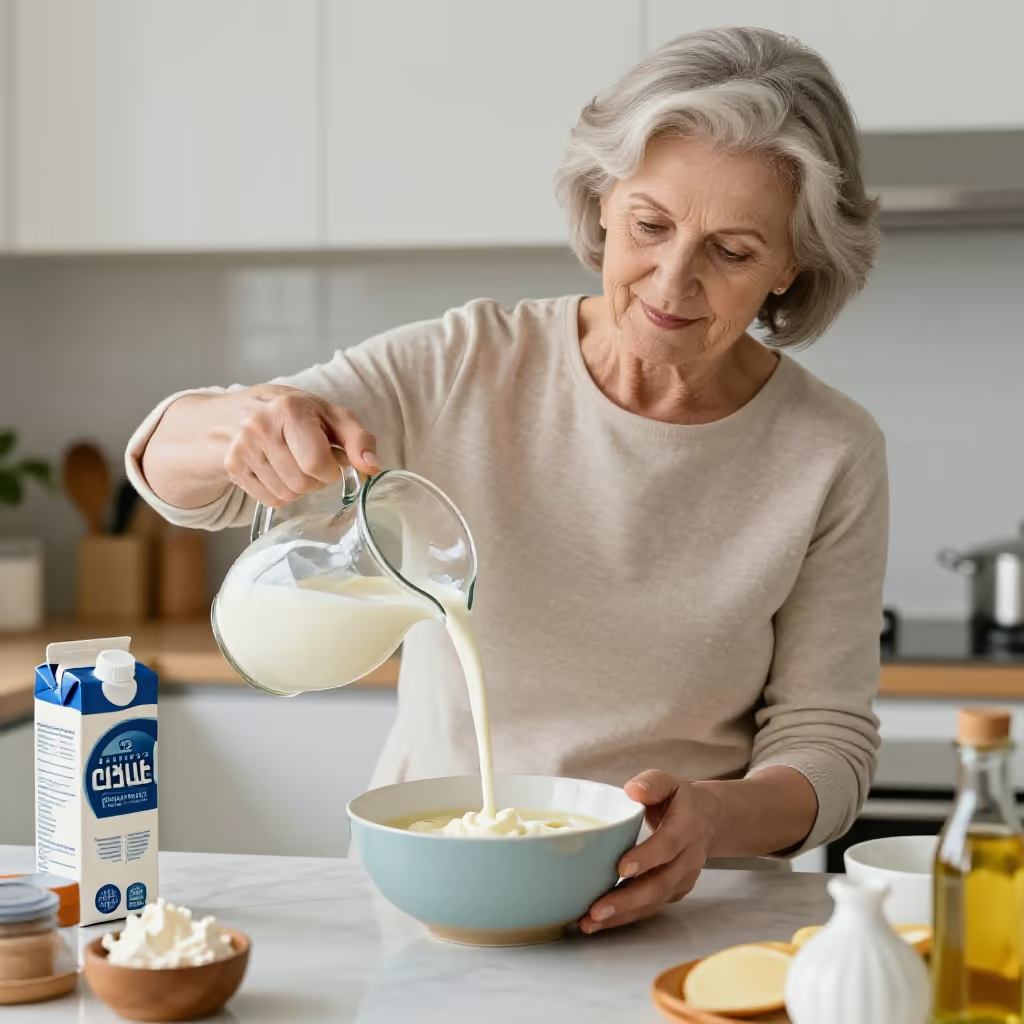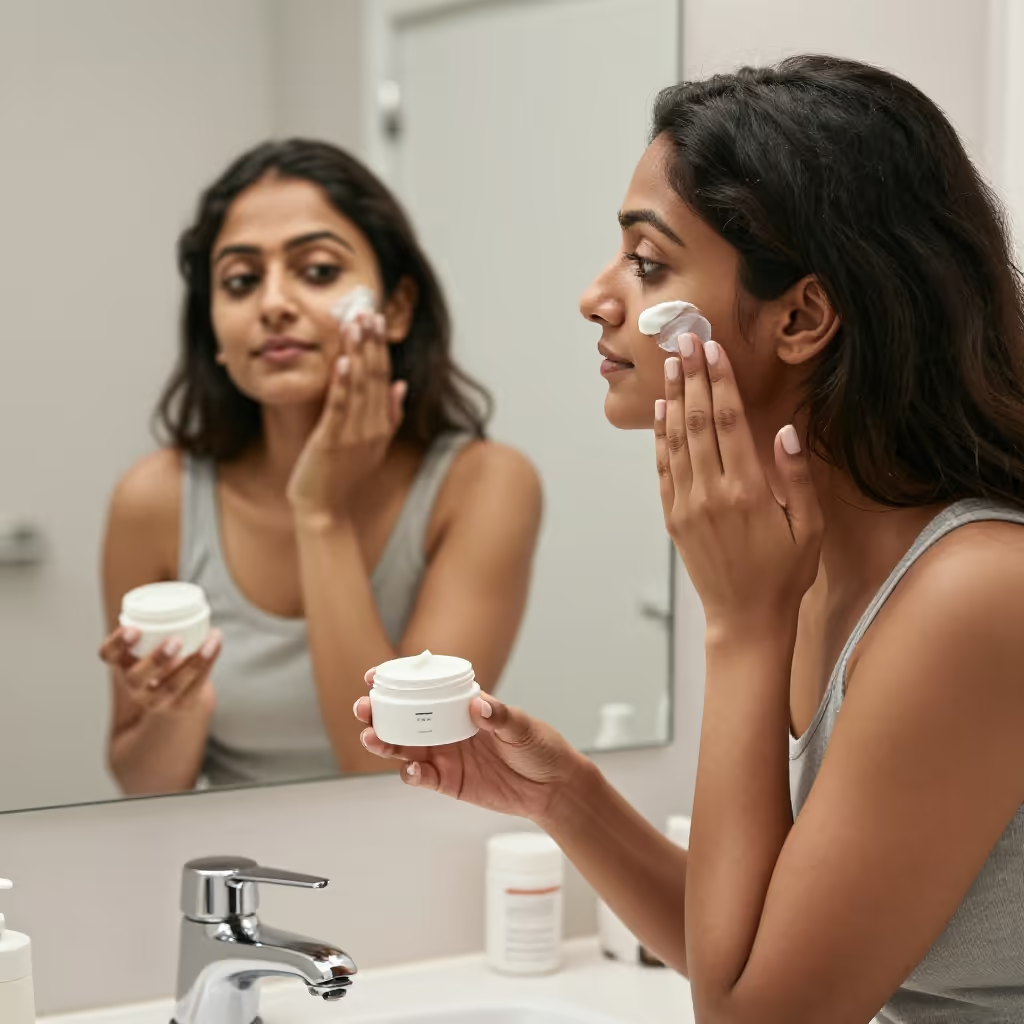
A cosmetic product with a creamy consistency for skin care. The spelling is an Anglicism; in German, 'die Creme' is much more common.
example
Diese neue Gesichts-Cream soll besonders gut gegen trockene Haut helfen.
This new face cream is supposed to be especially good for dry skin.
Usage tips
Register and style
The word 'Cream' is an Anglicism that in German is used almost exclusively in advertising, on product packaging, or in gastronomy to sound modern or international. In normal usage, it is very rare.
EXAMPLE
Auf der Verpackung steht „Anti-Aging Cream“.
The package says 'Anti-Aging Cream'.
Pronunciation
'Cream' is not pronounced the German way, but as in English: [kriːm]. This emphasizes its character as a foreign word.
EXAMPLE
Möchten Sie etwas Cream in Ihren Kaffee?
Would you like some cream in your coffee?
Grammar
Although it is an English word, 'Cream' has a fixed grammatical gender in German. The article is always 'die', so it is feminine.
EXAMPLE
Die Cream zieht schnell in die Haut ein.
The cream absorbs quickly into the skin.
Compare with
synonym · confusable
Cream vs Sahne
cream
'die Sahne' and 'die Cream' can both mean the fatty part of milk. In normal German, people almost always say 'Sahne' for this. 'Cream' is an English word and appears in German mainly in product names, on menus, or in advertising when something is meant to sound international. Learners may confuse the words because 'Cream' looks similar to 'Creme'. For food and cooking, 'Sahne' is almost always the natural choice. You only use 'Cream' when it appears exactly like that as a name or style on a product.
Cream
Auf der Speisekarte steht „Strawberry Cream“, aber die Kellnerin erklärt, dass es Erdbeeren mit Sahne sind.
The menu says "Strawberry Cream," but the waitress explains that it is strawberries with cream.
Sahne
Für die Suppe gibt meine Nachbarin am Ende etwas Sahne dazu.
For the soup, my neighbor adds a little cream at the end.