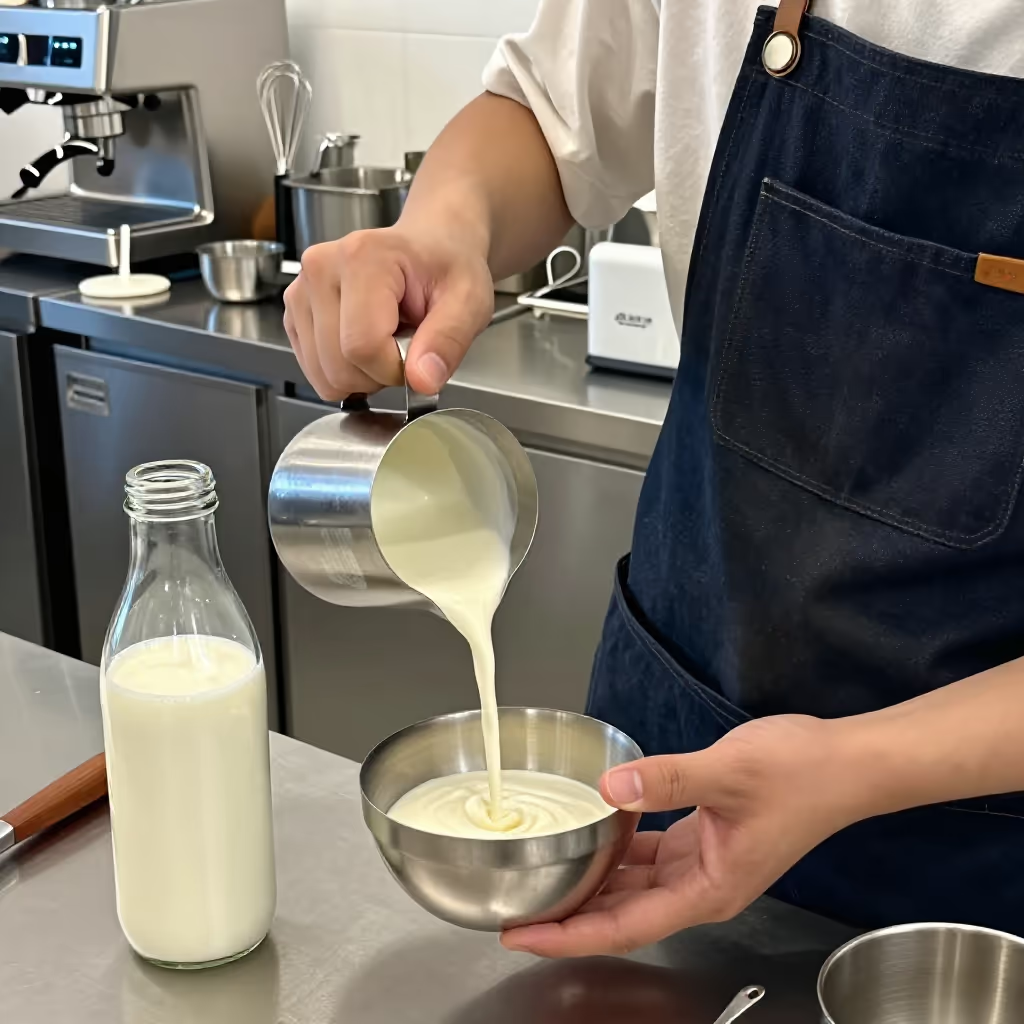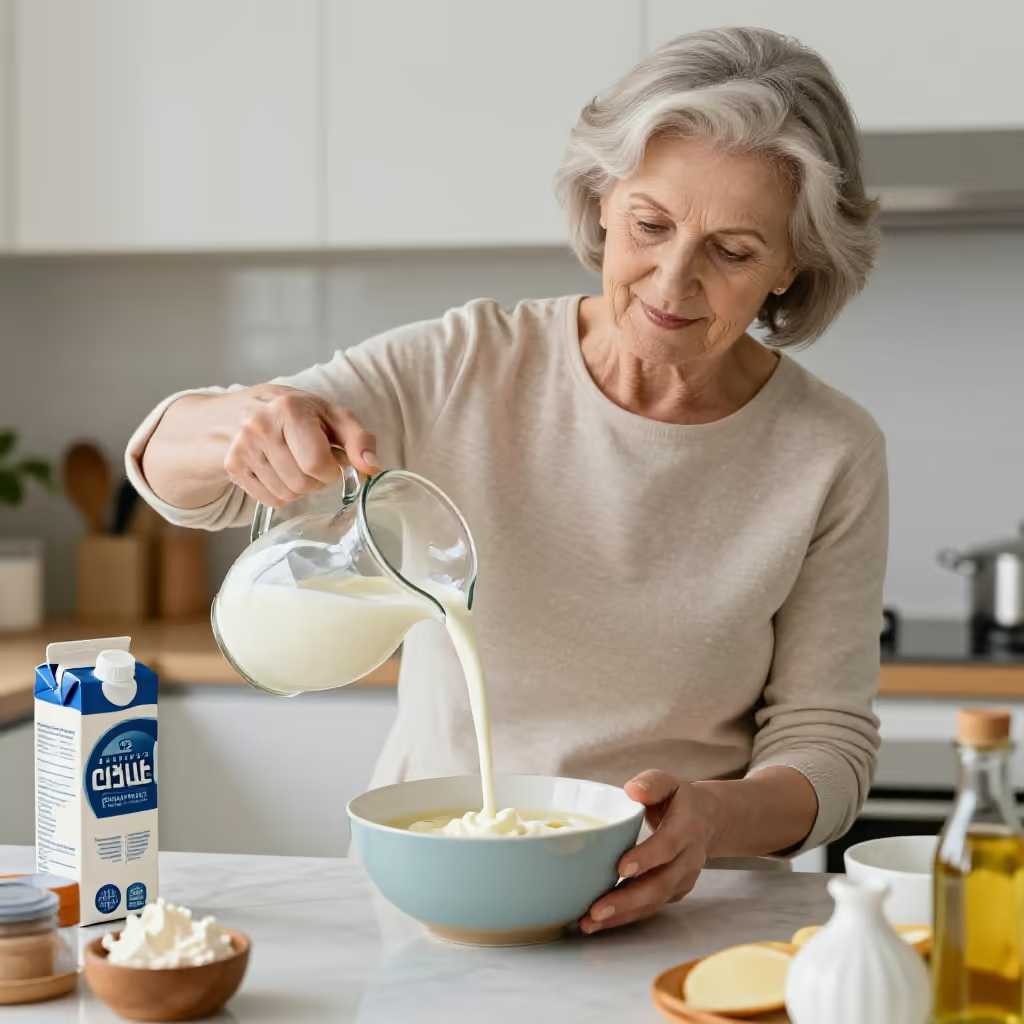
The fatty part of milk that settles on the surface and is used as an ingredient in foods and drinks. In parts of Germany and in Austria also called 'Obers', in Switzerland 'Rahm'.
example
Zum Apfelkuchen gibt es frisch geschlagene Sahne.
The apple cake is served with freshly whipped cream.

Usage tips
Regional variants
The word 'Sahne' (cream) is most widespread in Germany. In Austria, you often hear 'das Obers'; in Switzerland, 'der Rahm' is common.
EXAMPLE
Für das Dessert benötigen wir noch einen Becher Sahne.
We still need a cup of cream for the dessert.
Context clue
You can recognize the literal meaning of 'Sahne' (cream) from the context of food and drink. The figurative meaning 'something great' is often used to evaluate a situation or performance and often appears at the end of the sentence.
EXAMPLE
Ein Kaffee mit Sahne schmeckt besonders gut.
Coffee with cream tastes especially good.
Typical collocations
In connection with food, 'Sahne' (cream) is often used with certain verbs. The most common are 'Sahne schlagen' (to whip cream), or 'steif schlagen' (to beat until stiff), 'Sahne unterheben' (to fold in cream), or 'einen Schuss Sahne hinzufügen' (to add a splash of cream).
EXAMPLE
Für die Torte musst du die Sahne steif schlagen.
For the cake, you have to whip the cream until stiff.
Colloquial expression
The expression 'Das ist die Sahne!' (That's the best part!) is colloquial. It is used to express enthusiasm for something that you see as the highlight or as especially successful.
EXAMPLE
Die Band war gut, aber die Zugabe war die eigentliche Sahne.
The band was good, but the encore was the real highlight.
Compare with
confusable
Sahne vs Milch
milk
'die Milch' and 'die Sahne' both have to do with dairy products. 'Milch' is the normal white liquid that you drink or use for cooking. 'Sahne' is the fatty part of milk and is thicker. It is often used for sauces, soups, coffee, cakes, or desserts. The words can be confused because cream comes from milk and both are used in the kitchen. For a glass to drink, you normally say 'Milch'. For something creamy or fattier in cooking, you say 'Sahne'.
Sahne
Für die Soße gibt Anna noch etwas Sahne in den Topf.
For the sauce, Anna adds a little cream to the pot.