


darauf
on it
On this thing or at this place; referring to the thing mentioned previously.
EXAMPLE
Leg bitte das Buch darauf.
Please put the book on it.
on it / then
Loading your saved state.
on it
On this thing or at this place; referring to the thing mentioned previously.
Leg bitte das Buch darauf.
Please put the book on it.

about it / in response to that
Referring to what was said or mentioned previously; as a reaction to something.
Darauf habe ich schon lange gewartet.
I've been waiting for that for a long time.
then / after that
After that or following something.
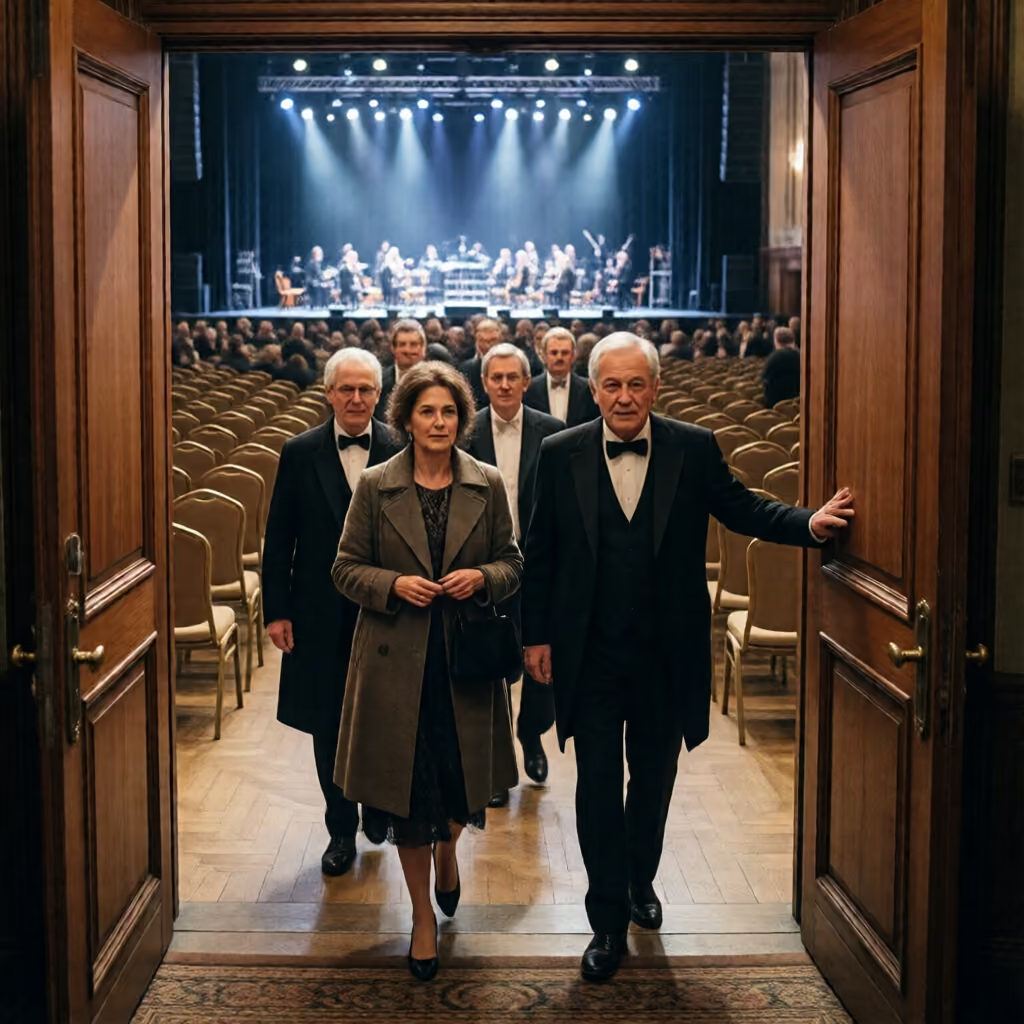
Darauf verließen alle Gäste den Saal.
Then all the guests left the hall.

it depends on
Something depends on a particular condition or circumstance.
Ob wir fahren, kommt darauf an, wie das Wetter wird.
Whether we go depends on what the weather will be like.

to pay attention to
To observe something carefully or make sure that something specific is followed or complied with.
Bitte achte darauf, dass die Tür geschlossen ist.
Please make sure that the door is closed.

to insist on
To firmly demand something and not be willing to give it up.
Sie besteht darauf, die Rechnung selbst zu bezahlen.
She insists on paying the bill herself.

to look forward to it
To wait with pleasure for something that will happen in the future.
Ich freue mich schon darauf, dich wiederzusehen.
I'm already looking forward to seeing you again.

to be after
To want to achieve or obtain something specific, often with a negative or critical undertone.
Er ist nur darauf aus, einen Streit anzufangen.
He's only out to start an argument.
'Darauf' (on it / then) is made up of 'da' (there) and 'auf' (on). It can refer to something, a place, or an entire situation mentioned previously.
Sie hat die Prüfung bestanden und ist sehr stolz darauf.
She passed the exam and is very proud of it.
When 'darauf' (on it / then) comes at the beginning of a main clause, the conjugated verb follows it directly. 'Darauf' can refer back to content or an action mentioned previously.
Die Maschine fiel plötzlich aus. Darauf rief die Technikerin den Kundendienst an.
The machine suddenly broke down. Then the technician called customer service.
In its spatial meaning, 'darauf' (on it) refers to a surface or object on which something lies, stands, or happens. The reference is usually clear from the preceding context.
Auf dem Balkon steht ein kleiner Tisch; stell bitte die Pflanzen darauf.
There is a small table on the balcony; please put the plants on it.
When 'darauf' (about it / in response to that) refers to a statement, question, or action, it is often followed by a verb expressing a reaction, such as 'antworten' (to answer), 'reagieren' (to react), or 'eingehen' (to address).
Er machte einen ungewöhnlichen Vorschlag, aber niemand reagierte darauf.
He made an unusual suggestion, but nobody reacted to it.
At the beginning of a sentence, 'darauf' (then / after that) can mark a temporal connection. It then introduces an action that happens immediately or soon after the previously mentioned event.
Zuerst unterschrieb die Zeugin das Protokoll. Darauf verließ sie das Gebäude.
First the witness signed the report. Then she left the building.
In 'es kommt darauf an' (it depends on), a subordinate clause with 'ob' (whether) or 'wie' (how / what) often follows. This subordinate clause states the condition on which the result depends.
Ob der Ausflug stattfindet, kommt darauf an, ob der Bus rechtzeitig repariert wird.
Whether the trip will take place depends on whether the bus is repaired in time.
With 'darauf achten' (to pay attention to / make sure), a subordinate clause with 'dass' (that) or an infinitive with 'zu' (to) often follows. This describes exactly what the attention is directed toward.
Bitte achte darauf, alle Fenster vor dem Verlassen des Hauses zu schließen.
Please make sure to close all the windows before leaving the house.
With 'darauf bestehen' (to insist on), a subordinate clause with 'dass' (that) or an infinitive with 'zu' (to) often follows. The construction shows which demand someone absolutely wants to enforce.
Der Kunde bestand darauf, mit der Leiterin persönlich zu sprechen.
The customer insisted on speaking to the manager personally.
With 'sich darauf freuen' (to look forward to it), an infinitive with 'zu' (to) or a subordinate clause with 'dass' (that) often follows. The construction expresses anticipation of a future event.
Wir freuen uns darauf, im Sommer gemeinsam ans Meer zu fahren.
We are looking forward to going to the seaside together in the summer.
In 'auf etwas aus sein' (to be after something), 'darauf' (after it / for that purpose) often comes before an infinitive with 'zu' (to). It describes a goal or intention that is often viewed critically.
Sie ist nur darauf aus, von ihrem Bruder Geld zu bekommen.
She's only out to get money from her brother.