

jung
young
Not born long ago or not having been alive for long; at an early age.
EXAMPLE
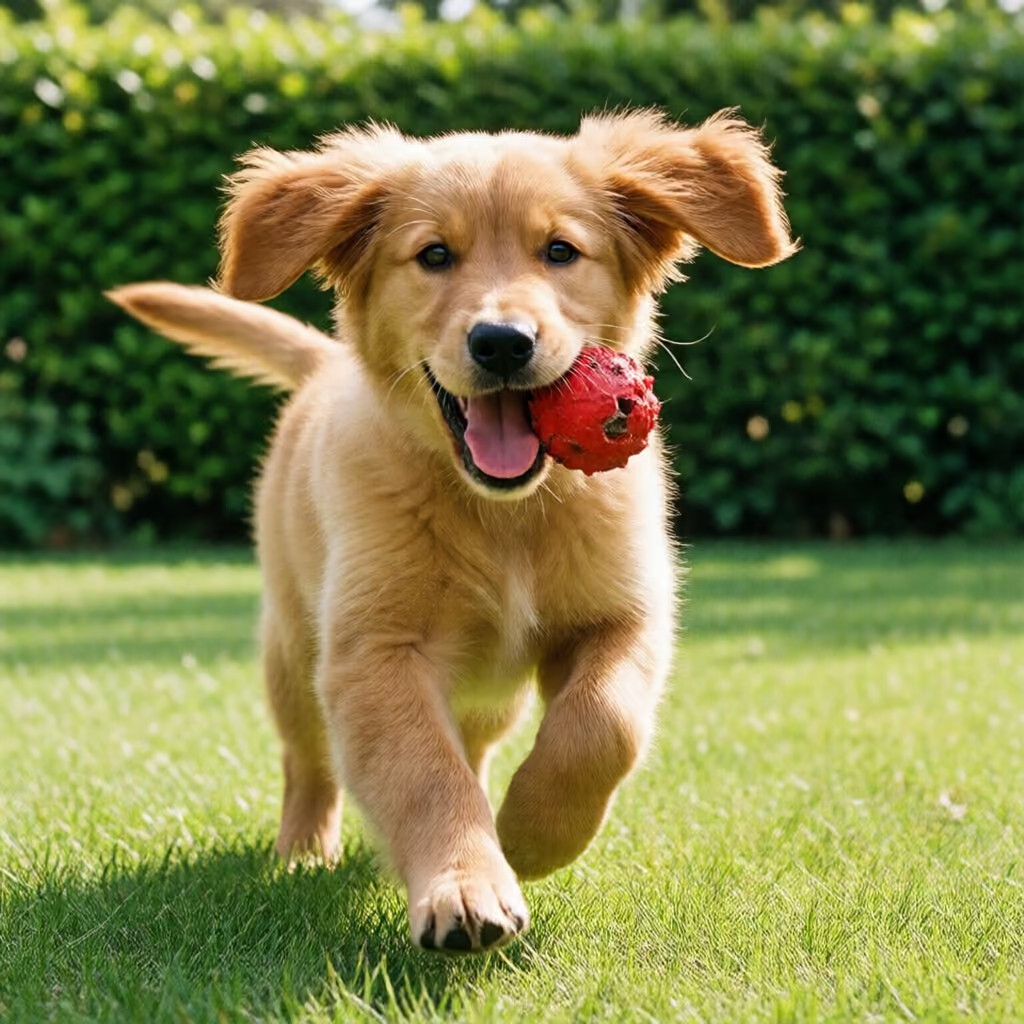
Unser Hund ist noch jung und sehr verspielt.
Our dog is still young and very playful.
young
jung – jünger – am jüngsten
Loading your saved state.
young
Not born long ago or not having been alive for long; at an early age.
Unser Hund ist noch jung und sehr verspielt.
Our dog is still young and very playful.

young
Referring to a person: not yet an adult or only in the first years of adulthood.
Sie war noch jung, als sie ihre erste Reise allein machte.
She was still young when she took her first trip alone.

young
Created, established, produced, or developed only recently; still new.
Das Unternehmen ist noch jung, hat aber bereits viele Kunden.
The company is still young but already has many customers.

young
Fresh and not yet fully matured, especially when referring to wine or cheese.
Der junge Wein schmeckt leicht und fruchtig.
The young wine tastes light and fruity.
| basic form | jung |
|---|---|
| comparative | jünger |
| superlative | am jüngsten |
| masc. | fem. | neut. | plural | |
|---|---|---|---|---|
| nom. | -e | -e | -e | -en |
| acc. | -en | -e | -e | -en |
| dat. | -en | -en | -en | -en |
| gen. | -en | -en | -en | -en |
Add the ending to jung.
| masc. | fem. | neut. | plural | |
|---|---|---|---|---|
| nom. | -er | -e | -es | -en |
| acc. | -en | -e | -es | -en |
| dat. | -en | -en | -en | -en |
| gen. | -en | -en | -en | -en |
Add the ending to jung.
| masc. | fem. | neut. | plural | |
|---|---|---|---|---|
| nom. | -er | -e | -es | -e |
| acc. | -en | -e | -es | -e |
| dat. | -em | -er | -em | -en |
| gen. | -en | -er | -en | -er |
Add the ending to jung.
For animals at an early age, 'jung' (young) is often used with animal names such as 'Hund' (dog), 'Katze' (cat), 'Pferd' (horse), or 'Vogel' (bird). The phrase 'ein junges Tier' (a young animal) also emphasizes the animal's age.
Die junge Katze schläft den ganzen Tag.
The young cat sleeps all day.
When referring to people, 'jung' (young) often appears in phrases such as 'junge Leute' (young people), 'junge Menschen' (young people), and 'die junge Generation' (the younger generation). These expressions usually refer to a broader age group rather than a single stage of life.
Viele junge Leute interessieren sich für nachhaltige Mode.
Many young people are interested in sustainable fashion.
When referring to companies, institutions, movements, or ideas, 'jung' (young) often describes something that has existed for only a short time. Typical collocations include 'junges Unternehmen' (young company), 'junge Demokratie' (young democracy), and 'junge Branche' (young industry).
Das junge Unternehmen entwickelt eine App für den öffentlichen Nahverkehr.
The young company is developing an app for public transportation.
When referring to wine and cheese, 'jung' (young) describes an early stage of maturity. Typical collocations include 'junger Wein' (young wine) and 'junger Käse' (young cheese); the expression is especially used when talking about taste and production.
Der junge Käse hat eine milde, cremige Konsistenz.
The young cheese has a mild, creamy texture.