

das Leben
life
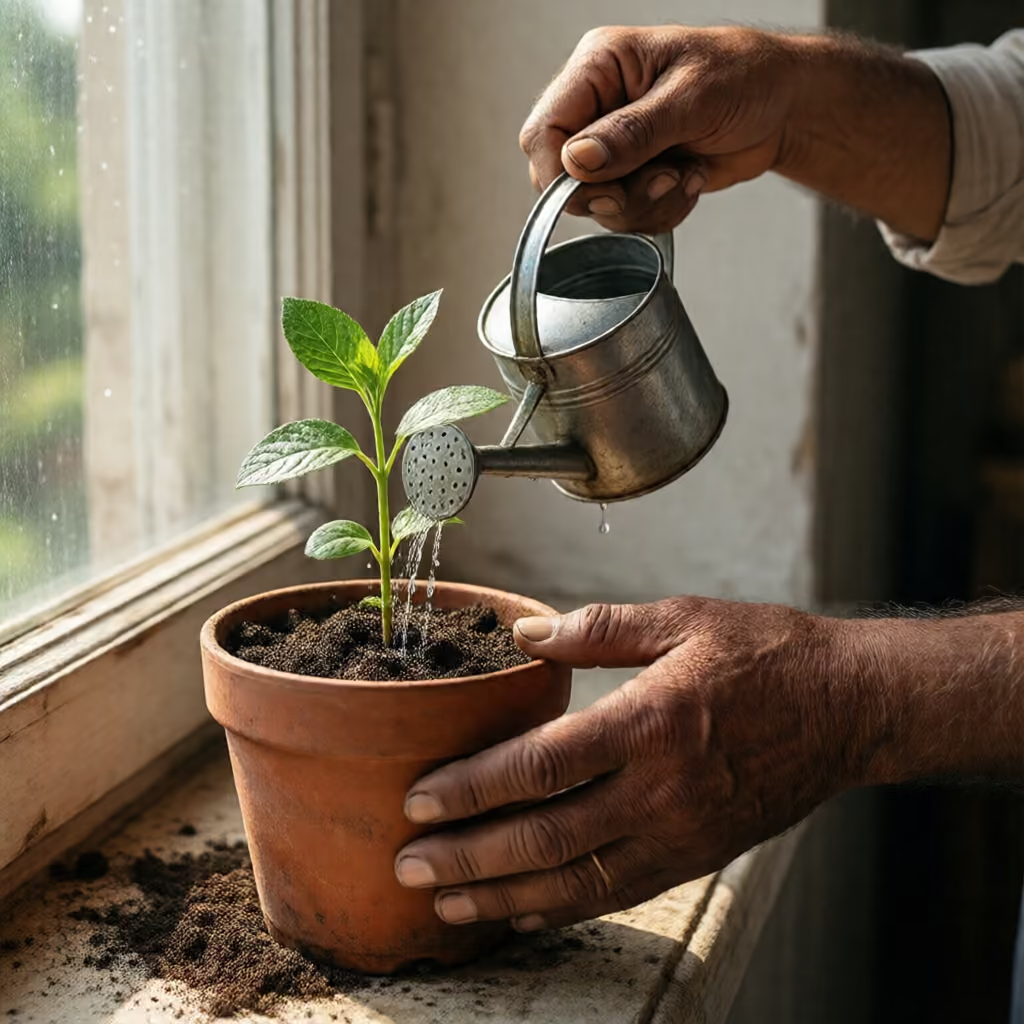
The existence of a person, animal, or plant for as long as that living being is alive.
EXAMPLE
Wasser und Nahrung sind für das Leben unverzichtbar.
Water and food are essential for life.
life
das Leben, die Leben
Loading your saved state.
life
The existence of a person, animal, or plant for as long as that living being is alive.
Wasser und Nahrung sind für das Leben unverzichtbar.
Water and food are essential for life.
life
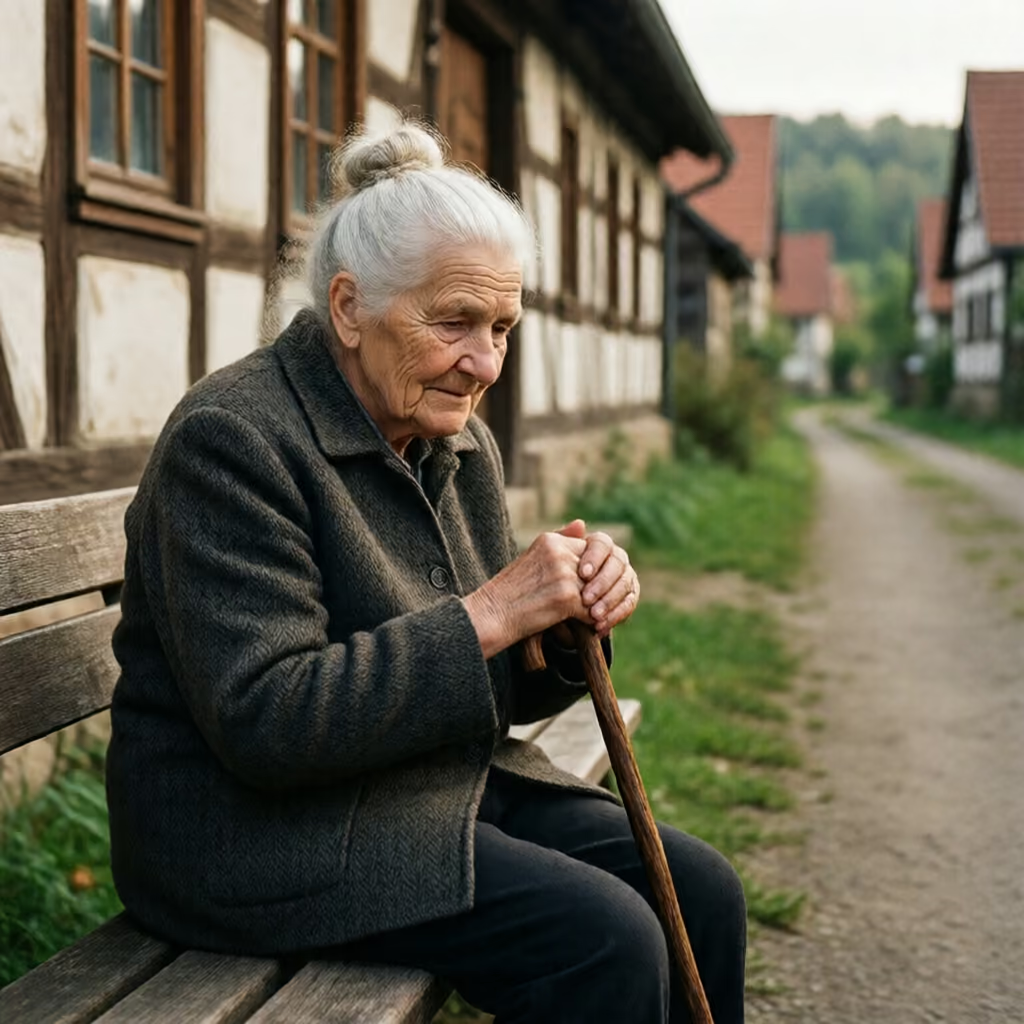
The period during which a person or another living being is alive, from birth to death.
Sie hat ihr ganzes Leben in diesem Dorf verbracht.
She spent her whole life in this village.
life
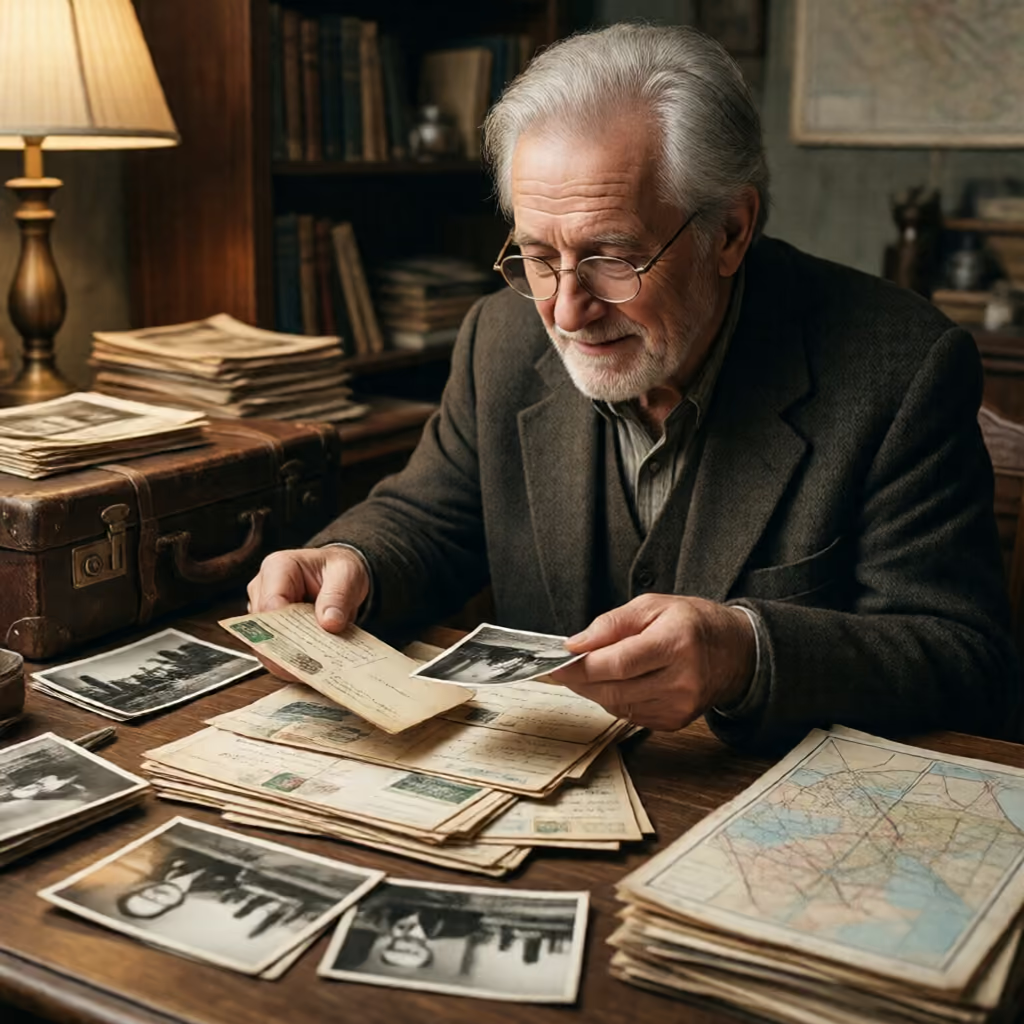
The totality of the experiences, events, and developments that a person goes through.
Das Leben des Schriftstellers war von vielen Reisen geprägt.
The writer's life was shaped by many travels.

life
The way someone lives, including their habits, relationships, and daily activities.
Nach dem Umzug hat sich sein Leben stark verändert.
His life changed a great deal after the move.

life
The social and everyday activity taking place in a place or particular environment.
In dieser Stadt ist auch nachts viel Leben.
There is a lot of life in this city even at night.
life
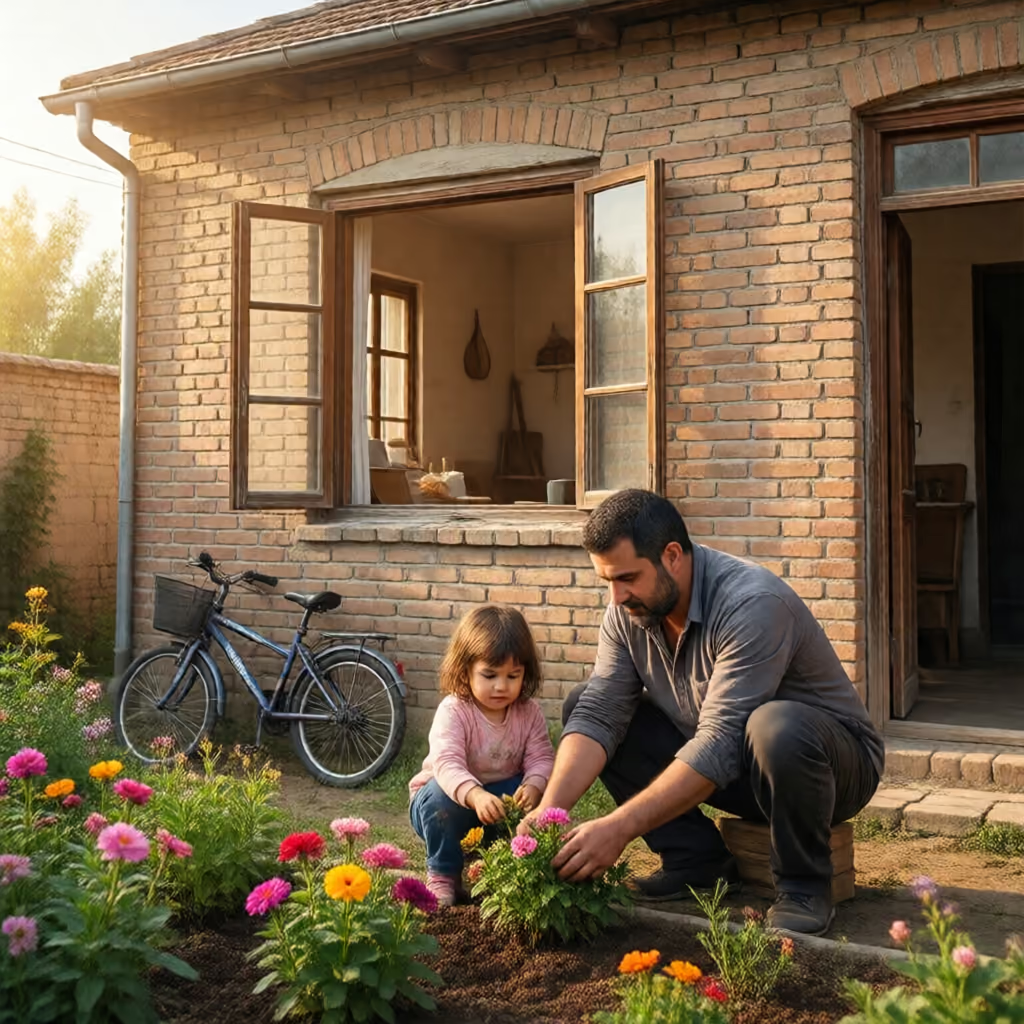
The vitality, energy, and visible activity that come from a person, place, or thing.
Seit der Renovierung ist wieder Leben in das alte Haus gekommen.
Since the renovation, life has returned to the old house.
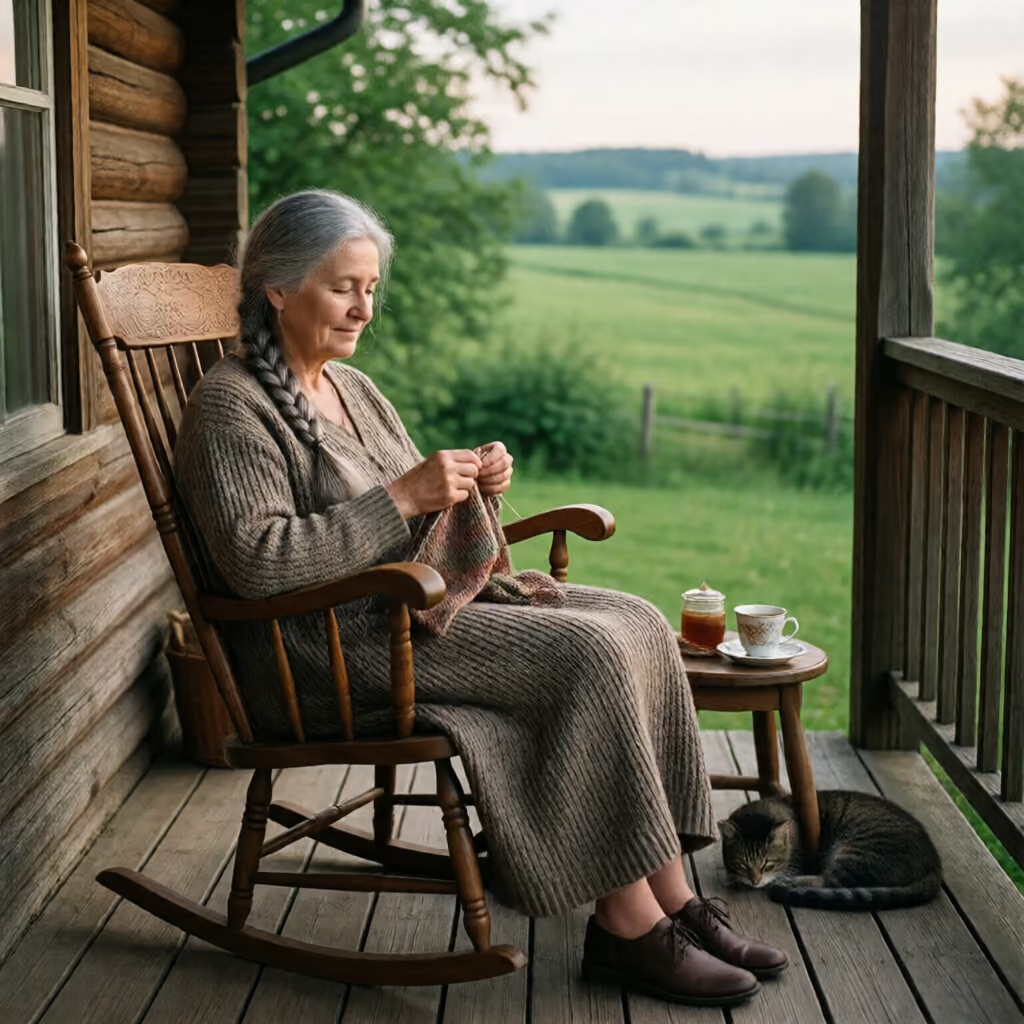
to lead a ... life
To have a particular way of life and organize one's daily routine in a particular way.
Sie führt ein ruhiges Leben auf dem Land.
She leads a quiet life in the countryside.

to launch / to found
To establish, introduce, or begin something, especially a project, organization, or initiative.
Die Stadt hat ein neues Kulturprogramm ins Leben gerufen.
The city launched a new cultural program.

to stay alive
Not to die, but to continue living.
Der Verletzte blieb trotz des schweren Unfalls am Leben.
The injured man stayed alive despite the serious accident.
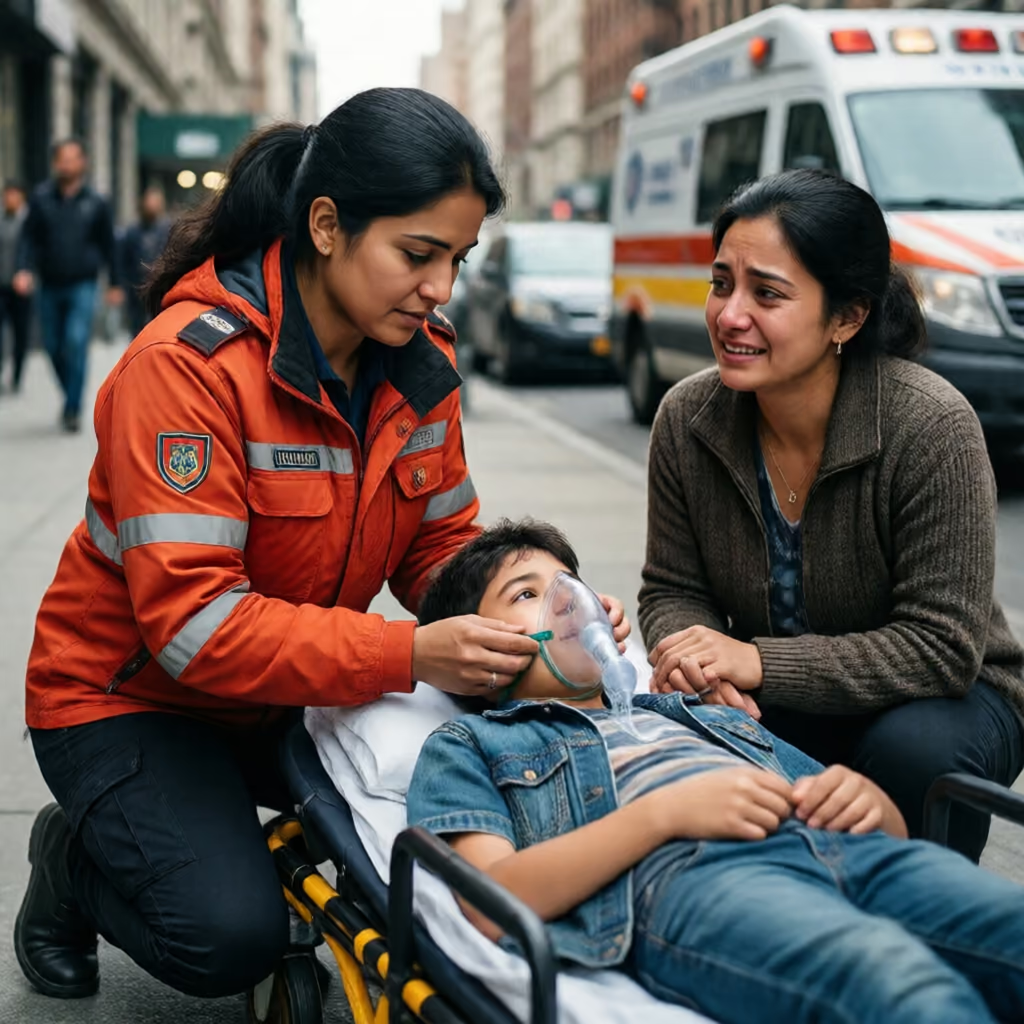
to save someone's life
To prevent someone from dying.
Die schnelle Hilfe hat dem Kind das Leben gerettet.
The quick assistance saved the child's life.
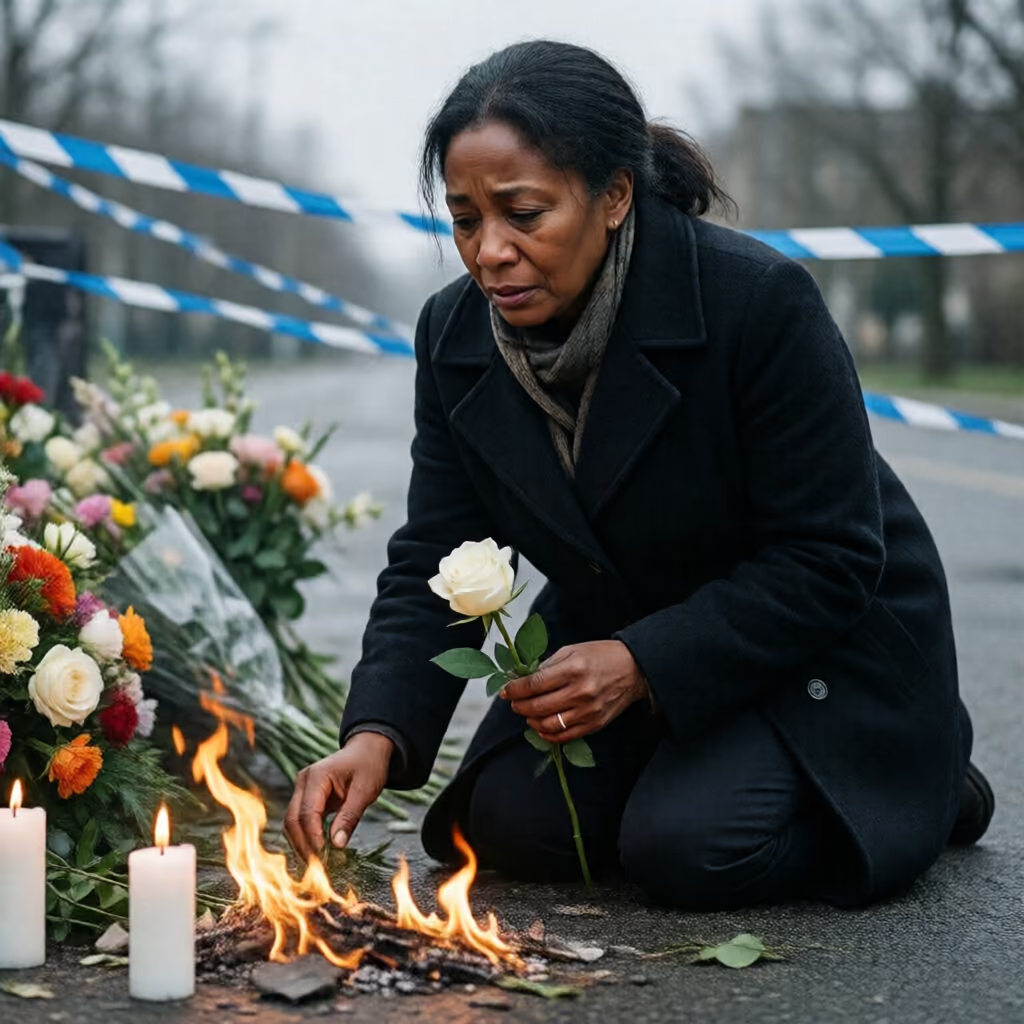
to take someone's life
To kill someone and thereby cause their death.
Der Täter nahm einem unschuldigen Menschen das Leben.
The perpetrator took an innocent person's life.
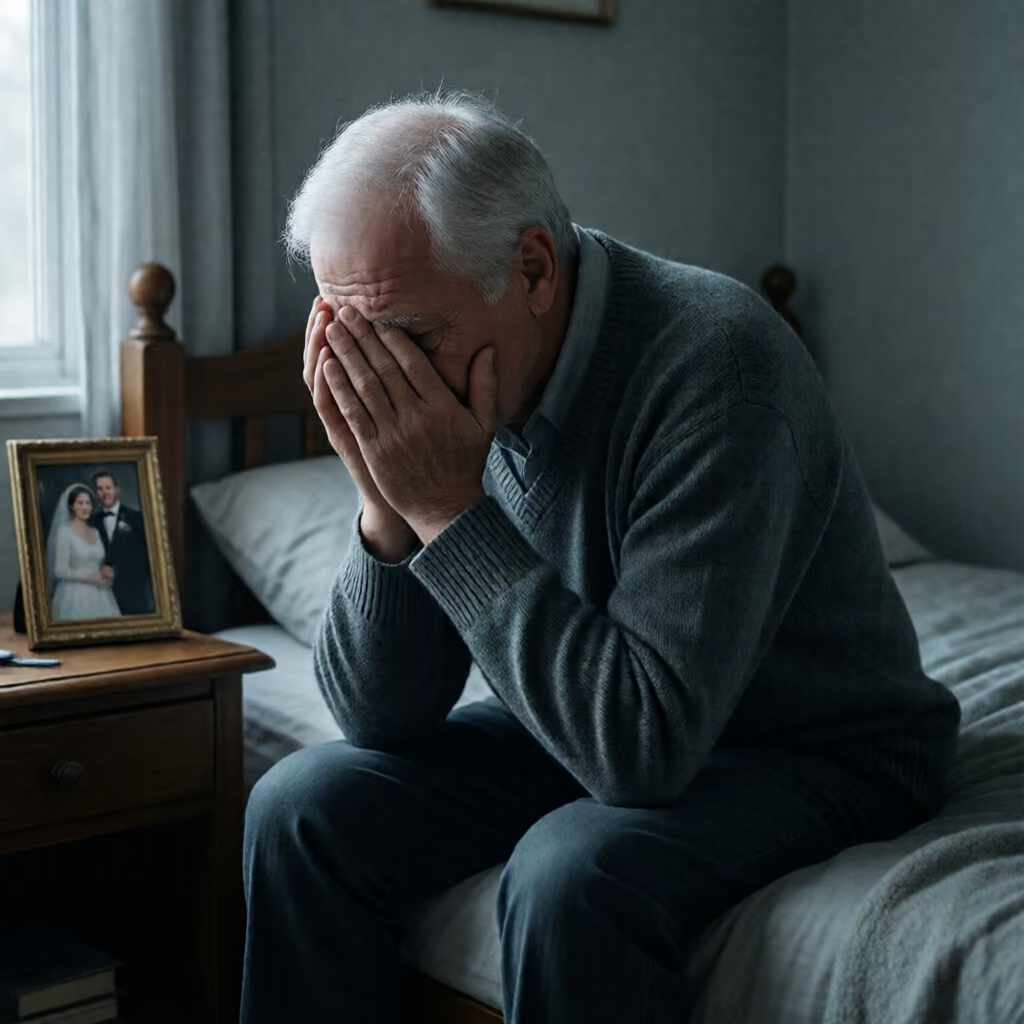
to take one's own life
To kill oneself.
Der Mann nahm sich nach langer Krankheit das Leben.
The man took his own life after a long illness.

to fight to the death
With the possible outcome that someone may die or be killed; also used figuratively to express extreme seriousness.
Die beiden Gegner kämpften auf Leben und Tod.
The two opponents fought to the death.
| gender | neuter das |
|---|---|
| plural | die Leben |
| genitive | des Lebens |
| singular | plural | |
|---|---|---|
| nominative | das Leben | die Leben |
| accusative | das Leben | die Leben |
| dative | dem Leben | den Leben |
| genitive | des Lebens | der Leben |
The article changes with the case; it is shown in colour.
In this meaning, 'Leben' (life) often appears with verbs such as 'schützen' (to protect), 'erhalten' (to preserve), or 'bedrohen' (to threaten). When a person is specified more precisely, the phrase 'das Leben von' (the life of) is often used with a person or group.
Die Ärztinnen kämpfen darum, das Leben von Frühgeborenen zu schützen.
The doctors are fighting to protect the lives of premature babies.
To refer to someone's entire lifetime, fixed expressions such as 'sein ganzes Leben lang' (throughout one's whole life) and 'im Laufe seines Lebens' (over the course of one's life) are often used. These expressions refer to duration rather than individual experiences.
Er hat sein ganzes Leben lang gern Musik gemacht.
He has enjoyed making music throughout his whole life.
To refer to a person's experiences and events, common expressions include 'ein bewegtes Leben' (an eventful life), 'ein erfülltes Leben' (a fulfilling life), and 'das Leben prägt jemanden' (life shapes someone). Adjectives often describe what these experiences were like overall.
Die Forscherin führte ein bewegtes Leben mit Aufenthalten auf mehreren Kontinenten.
The researcher led an eventful life, staying on several continents.
When referring to a person's way of life, 'Leben' (life) often appears with verbs such as 'gestalten' (to shape), 'verändern' (to change), 'genießen' (to enjoy), or 'organisieren' (to organize). The related adjective often describes the nature of this way of life.
Nach dem Studium wollte sie ihr Leben bewusster gestalten.
After graduating, she wanted to shape her life more consciously.
To refer to social activity in a place, 'Leben' (life) often appears with expressions of place and the adjective 'rege' (lively). The phrase 'reges Leben' (lively activity) describes many activities and people in a place.
Am Marktplatz herrscht am Samstag reges Leben.
There is lively activity in the market square on Saturdays.
In this meaning, 'Leben' (life) often appears in the fixed expressions 'Leben in etwas bringen' (to bring life to something) or 'Leben in etwas kommen' (for life to return to something). The preposition 'in' indicates the place or area that becomes active again.
Mit den neuen Bewohnern kam wieder Leben in das verlassene Viertel.
The new residents brought life back to the abandoned neighborhood.
The expression 'ein ... Leben führen' (to lead a ... life) describes a particular way of life. An adjective usually comes between 'ein' and 'Leben' to characterize this way of life more precisely.
Nach vielen Jahren in der Großstadt führt er jetzt ein einfaches Leben auf dem Land.
After many years in the big city, he now leads a simple life in the countryside.
In the fixed expression 'etwas ins Leben rufen' (to launch / to found something), the new project or organization is in the accusative case. 'Ins' is the shortened form of 'in das' and indicates the beginning or founding of something.
Die Studierenden riefen eine Initiative für mehr Nachhaltigkeit ins Leben.
The students launched an initiative for greater sustainability.
'Am Leben' (alive) is a fixed expression used with 'bleiben' (to remain), 'sein' (to be), or 'erhalten' (to preserve). After 'an', the form 'am' is used here; the expression is especially common with accidents, illnesses, and other dangers.
Nach der langen Operation war zunächst unklar, ob der Patient am Leben bleiben würde.
After the long operation, it was initially unclear whether the patient would stay alive.
In 'jemandem das Leben retten' (to save someone's life), the person affected is in the dative case and 'das Leben' (the life) is in the accusative case. Grammatically, the person receives the saving, while 'das Leben' is the direct object.
Der Rettungsschwimmer rettete dem Jungen das Leben.
The lifeguard saved the boy's life.
In 'jemandem das Leben nehmen' (to take someone's life), the person affected is in the dative case and 'das Leben' (the life) is in the accusative case. This fixed expression is usually used in reports about serious acts of violence or figuratively.
Der Krieg nahm Tausenden von Menschen das Leben.
The war took the lives of thousands of people.
In the fixed expression 'sich das Leben nehmen' (to take one's own life), 'sich' refers to the person affected and 'das Leben' (the life) is the accusative object. The expression refers to suicide and is often used in factual reports.
Der Artikel berichtet über einen Mann, der sich nach langer Isolation das Leben nahm.
The article reports on a man who took his own life after a long period of isolation.
'Auf Leben und Tod' (to the death) is a fixed expression without an article before 'Leben' (life) and 'Tod' (death). It can express a real risk of death or, figuratively, refer to a particularly bitter conflict.
Die beiden Mannschaften lieferten sich ein Duell auf Leben und Tod.
The two teams engaged in a fight to the death.