

der Weg
way
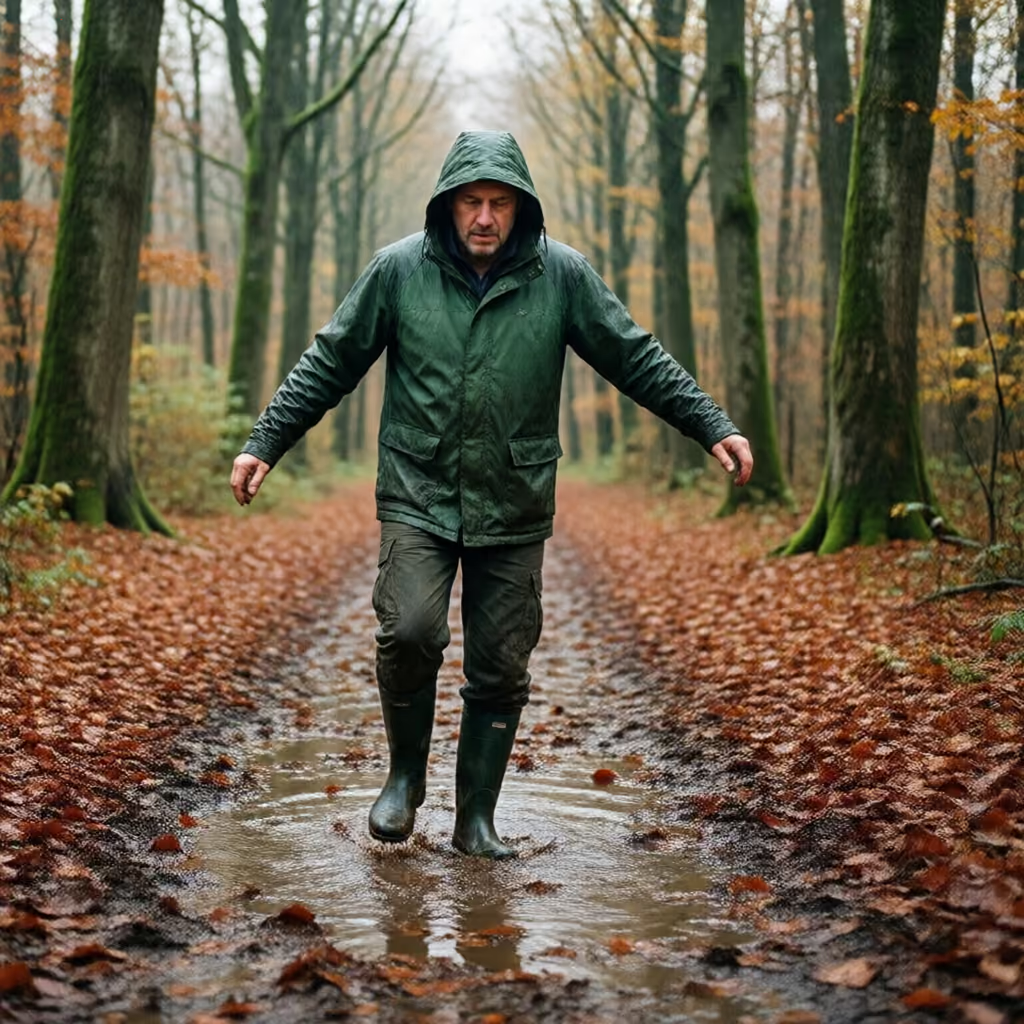
A path or designated area that allows people to travel on foot or in a vehicle from one place to another.
EXAMPLE
Der Weg durch den Wald ist nach dem Regen sehr rutschig.
The path through the forest is very slippery after the rain.
way
der Weg, die Wege
Loading your saved state.
way
A path or designated area that allows people to travel on foot or in a vehicle from one place to another.
Der Weg durch den Wald ist nach dem Regen sehr rutschig.
The path through the forest is very slippery after the rain.
way
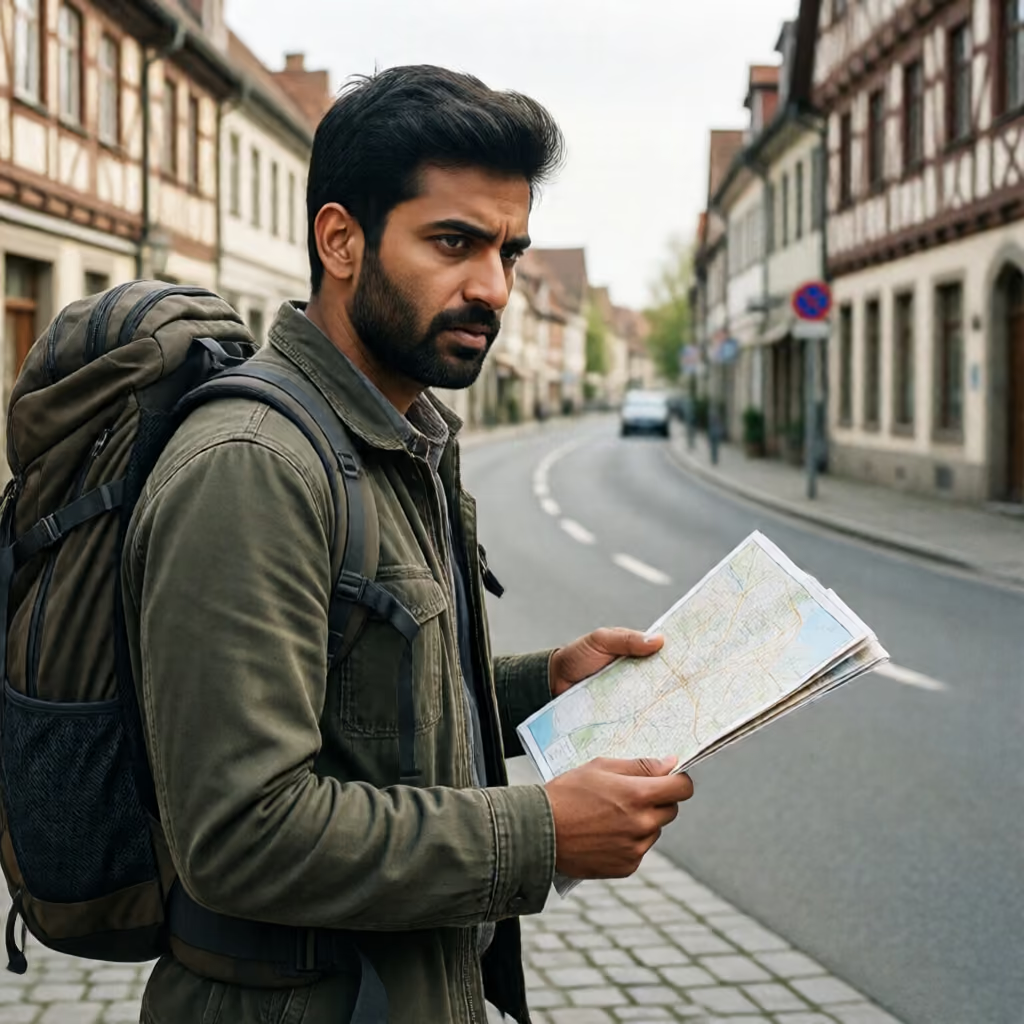
The direction or route one needs to take to reach a particular destination.
Welchen Weg müssen wir zum Bahnhof nehmen?
Which way do we have to take to get to the train station?
way
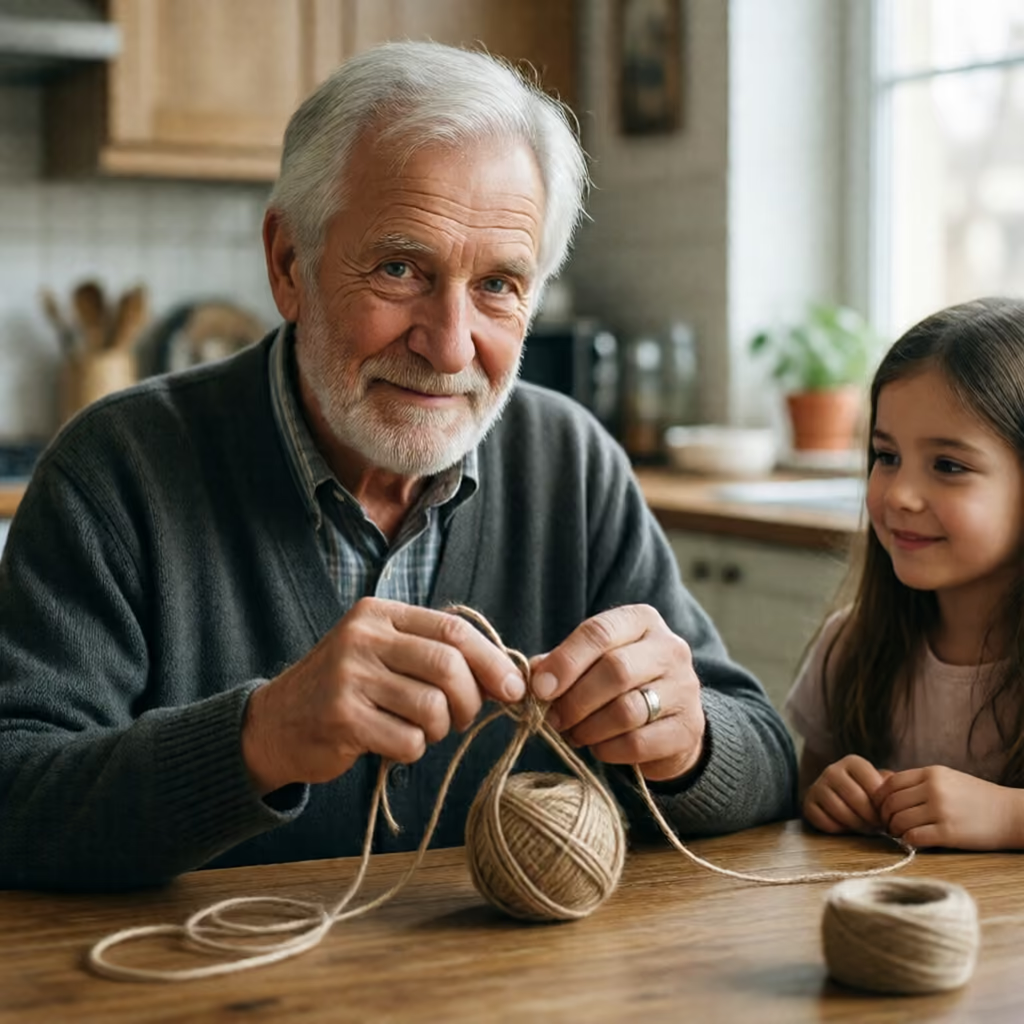
A possibility or method for achieving a goal.
Geduld ist oft der beste Weg zu einer guten Lösung.
Patience is often the best way to find a good solution.
way
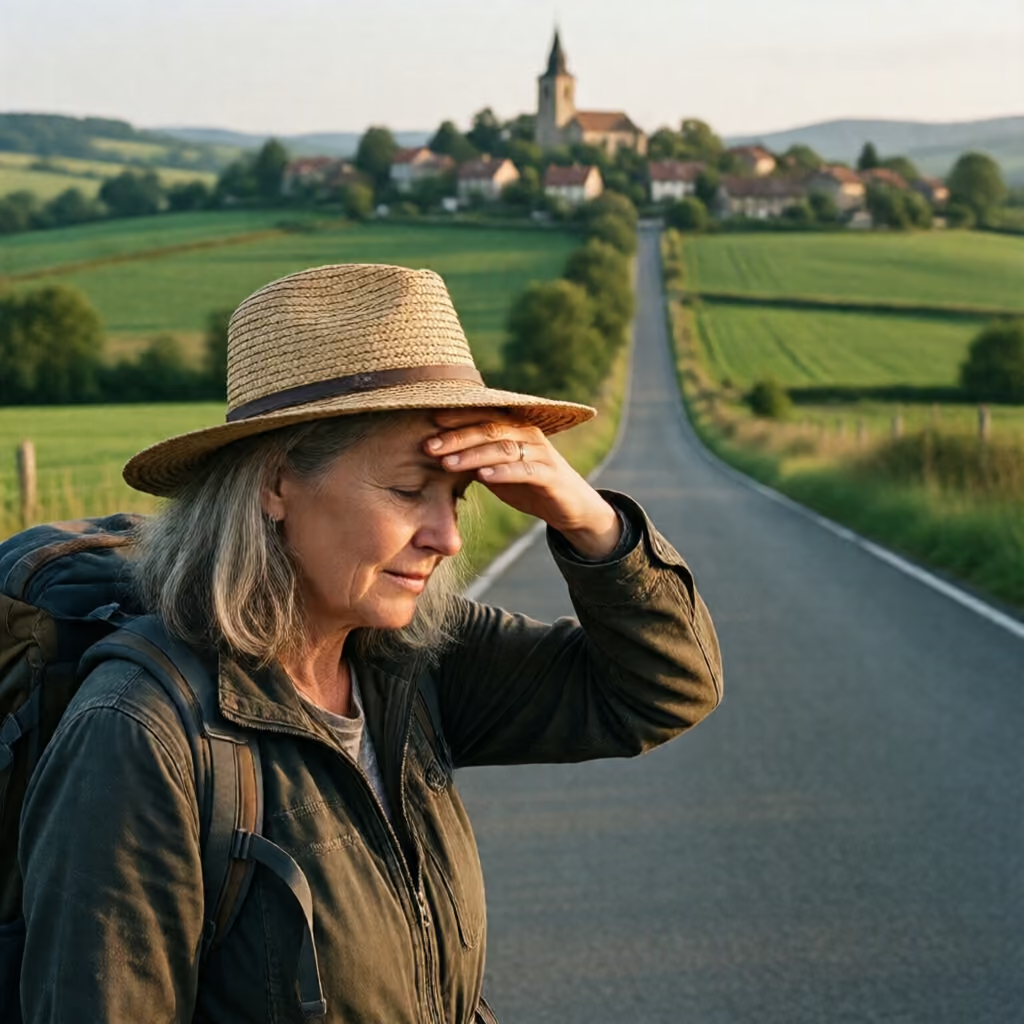
The distance between two places or destinations, especially in terms of how far apart they are.
Bis zum nächsten Dorf ist es noch ein weiter Weg.
It is still a long way to the next village.

way
A person's personal or professional development and the decisions that guide them through life.
Sie ist ihren eigenen Weg gegangen und hat sich als Ärztin verwirklicht.
She went her own way and found fulfillment as a doctor.
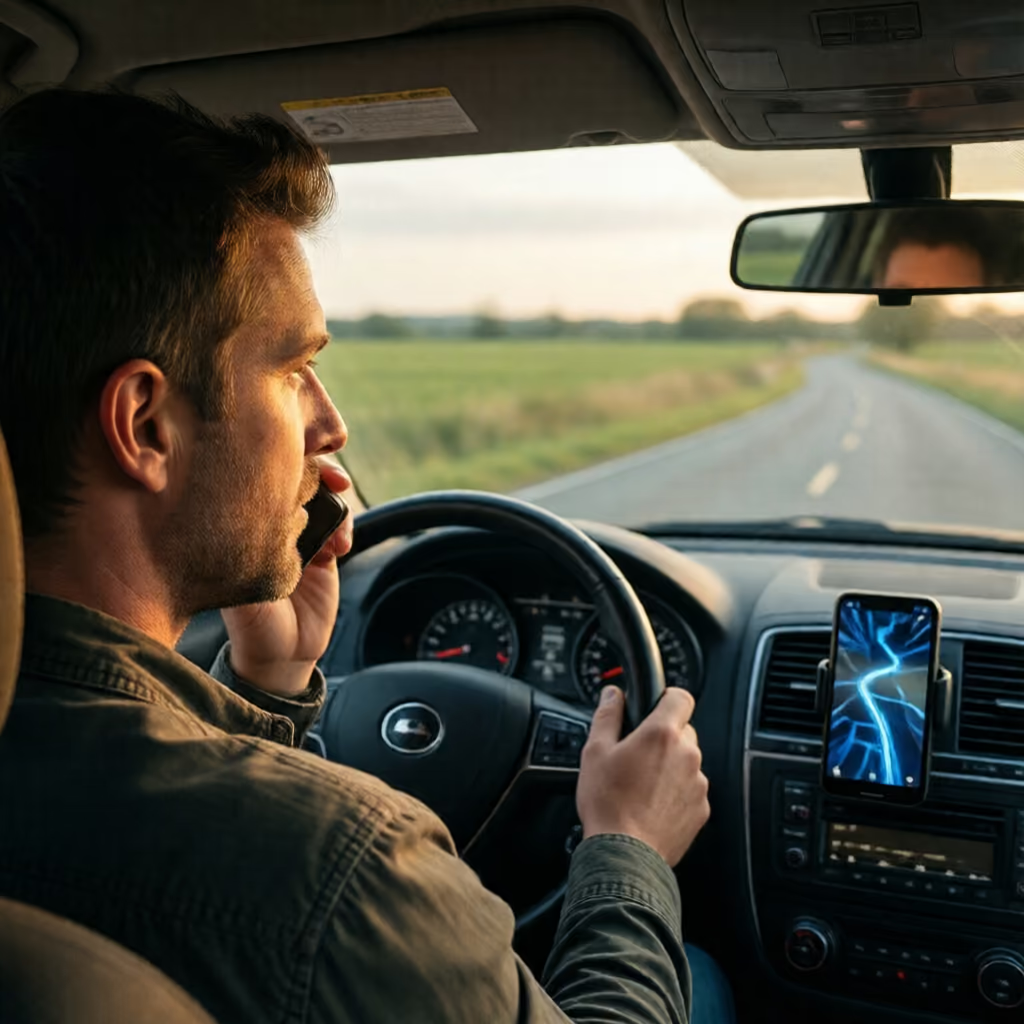
to be on the way
To be traveling and moving toward a particular destination.
Ich bin schon auf dem Weg und komme in zehn Minuten.
I'm already on the way and will be there in ten minutes.
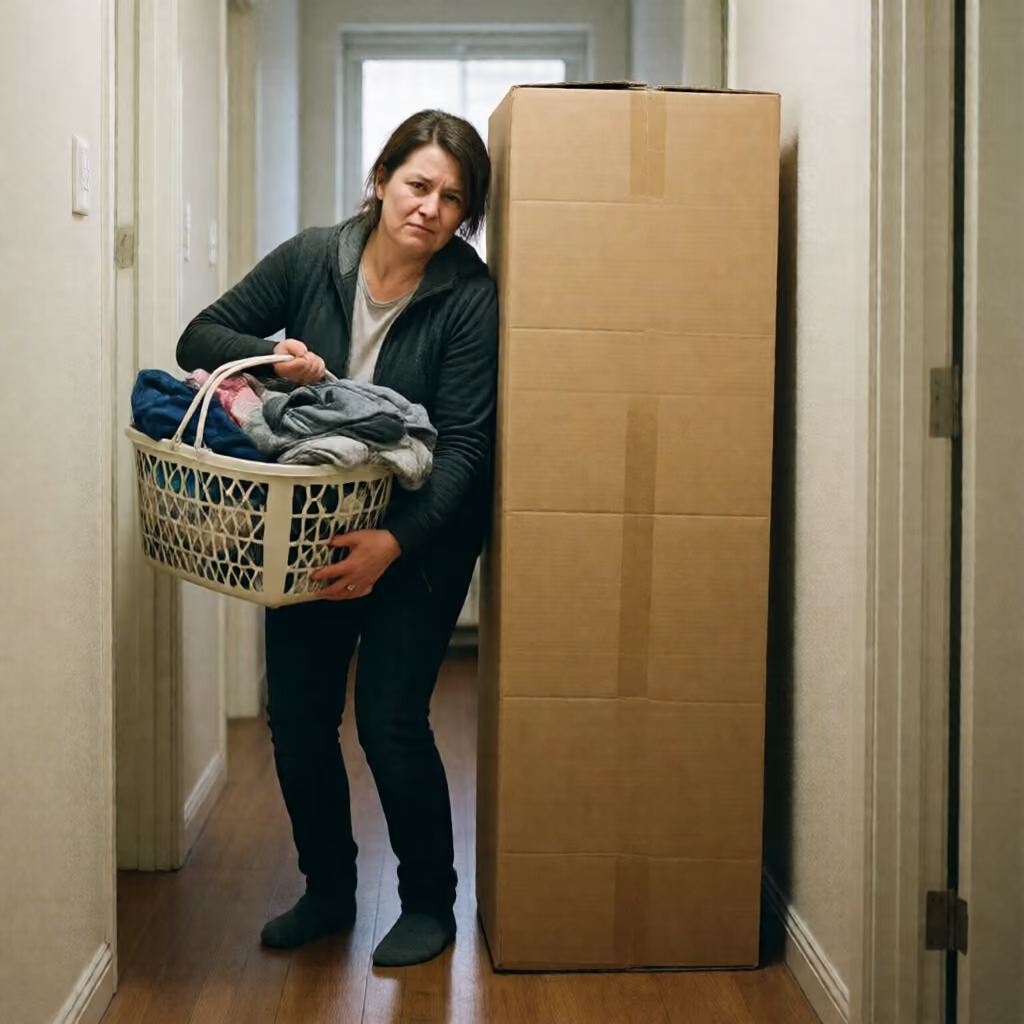
to be in the way
To obstruct someone or something by being in an inconvenient position.
Die Kiste ist mitten im Flur und steht allen im Weg.
The box is in the middle of the hallway and is in everyone's way.
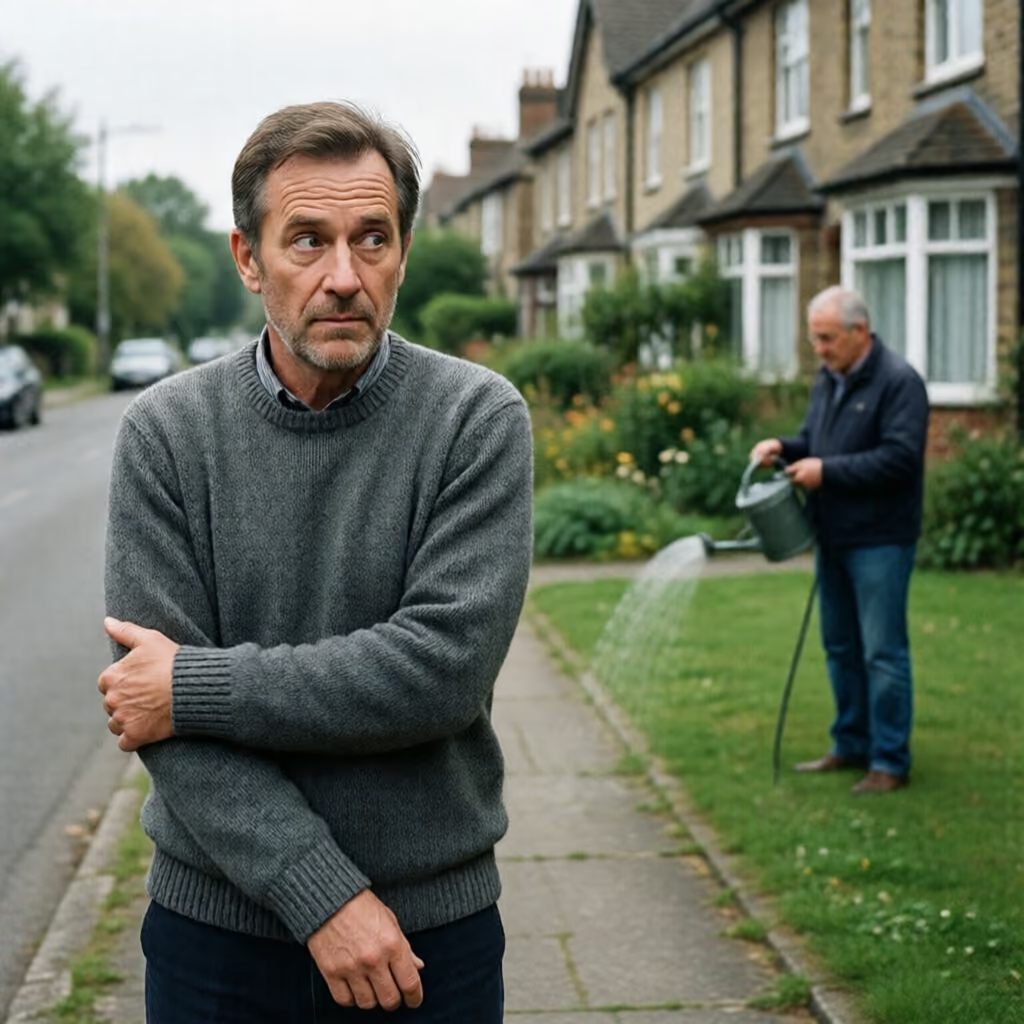
to avoid someone/something
To deliberately avoid a person or an unpleasant thing.
Seit dem Streit geht er seiner Nachbarin aus dem Weg.
Since the argument, he has been avoiding his neighbor.
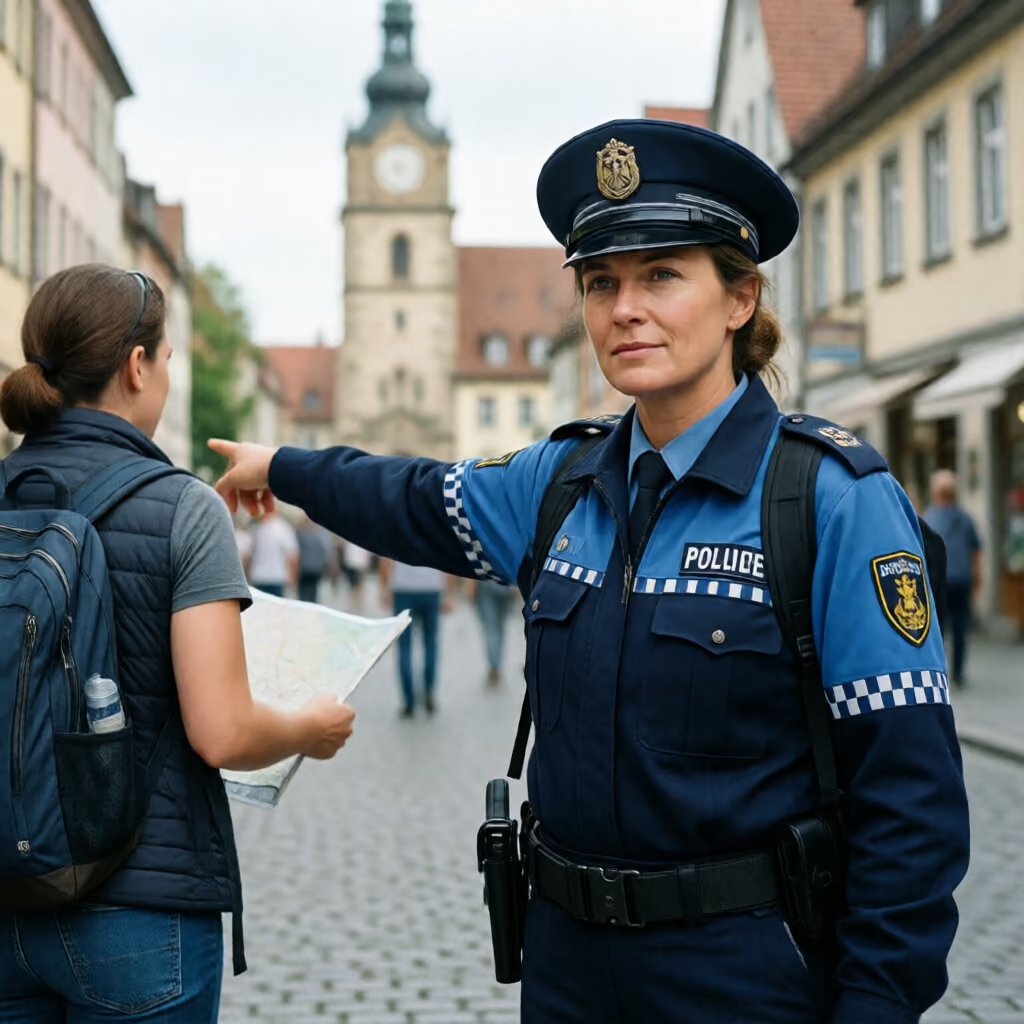
to show someone the way
To show or explain to someone which direction they need to go; figuratively, to guide someone.
Der Polizist wies den Touristen den Weg zum Rathaus.
The police officer showed the tourists the way to the town hall.
| gender | masculine der |
|---|---|
| plural | die Wege |
| genitive | des Wegs |
| singular | plural | |
|---|---|---|
| nominative | der Weg | die Wege |
| accusative | den Weg | die Wege |
| dative | dem Weg | den Wegen |
| genitive | des Wegs des Weges | der Wege |
The article changes with the case; it is shown in colour.
For a specific path, 'Weg' (way/path) is often used with verbs such as 'führen' (to lead), 'verlaufen' (to run/extend), or 'entlanggehen' (to walk along). These describe where the path begins and ends or which area it leads through.
Der Weg führt vom Dorf bis zu einem kleinen See.
The path leads from the village to a small lake.
When 'Weg' (way) refers to the route to a destination, common phrases include 'den Weg nehmen' (to take the way), 'nach dem Weg fragen' (to ask for directions), and 'jemandem den Weg zeigen' (to show someone the way).
Am Marktplatz fragte ich eine Passantin nach dem Weg zum Museum.
At the market square, I asked a passerby for directions to the museum.
For a method or possibility, 'Weg' (way) is often used with 'zu' (to) and the dative. The structure 'ein Weg zu etwas' (a way to something) refers to a method of achieving a goal.
Regelmäßige Pausen sind ein guter Weg zu mehr Konzentration.
Regular breaks are a good way to improve concentration.
When referring to distance, 'Weg' (way) is often combined with adjectives such as 'weit' (far/long), 'lang' (long), or 'kurz' (short). 'Von' (from) often indicates the starting point, while 'bis zu' (to/as far as) or 'nach' (to) indicates the destination.
Den weiten Weg vom Bahnhof bis zum Hotel sind wir zu Fuß gegangen.
We walked the long way from the train station to the hotel.
The fixed expression 'seinen eigenen Weg gehen' (to go one's own way) is particularly common when referring to personal development. 'Einen beruflichen Weg einschlagen' (to embark on a career path) also describes a conscious development.
Nach dem Abitur schlug sie einen ganz anderen beruflichen Weg ein als ihre Eltern.
After graduating from high school, she chose a completely different career path from her parents.
In the expression 'auf dem Weg sein' (to be on the way), the destination usually appears with 'zu' (to) and the dative or with 'nach' (to) and a place name. The preposition 'auf' (on) remains unchanged.
Ich bin auf dem Weg zum Supermarkt.
I'm on the way to the supermarket.
In the expression 'jemandem im Weg sein' (to be in someone's way), the person affected is in the dative. 'Im Weg' (in the way) describes a position that obstructs movement or an activity.
Du bist mir im Weg, wenn ich den Tisch verschieben möchte.
You're in my way when I want to move the table.
The fixed expression is 'jemandem aus dem Weg gehen' (to avoid someone). The person being avoided is in the dative.
Seit dem Konflikt geht sie ihrem ehemaligen Kollegen aus dem Weg.
Since the conflict, she has been avoiding her former colleague.
In 'jemandem den Weg weisen' (to show someone the way), the person is in the dative and 'den Weg' (the way) is in the accusative. The expression can refer to giving directions or, figuratively, to providing guidance.
Die erfahrene Kollegin wies dem neuen Mitarbeiter den Weg durch das komplizierte Verfahren.
The experienced colleague showed the new employee the way through the complicated procedure.