

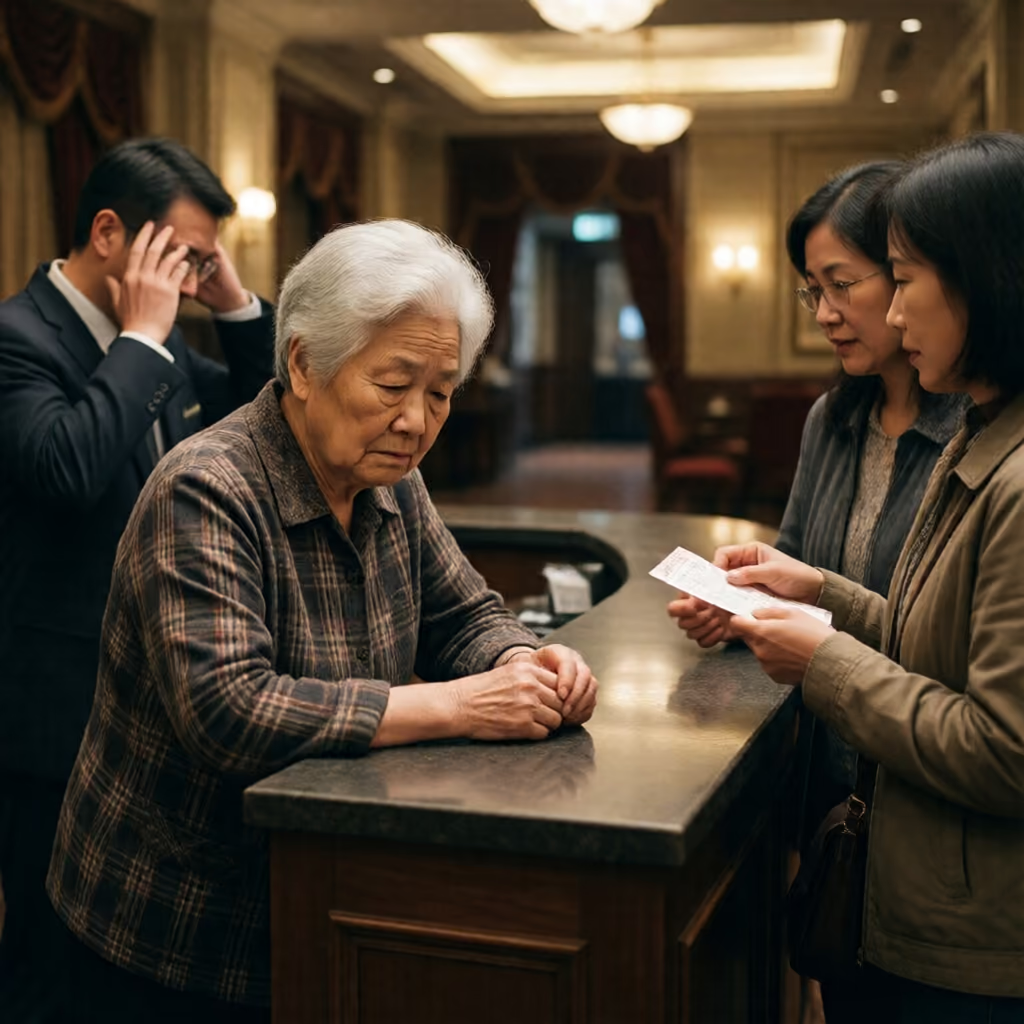
das Nachsehen haben
to lose out
To come off worse in a dispute or decision and end up empty-handed.
EXAMPLE
Am Ende hatte ich bei der Sitzplatzvergabe das Nachsehen.
In the end, I lost out when the seats were allocated.
disadvantage
das Nachsehen
Loading your saved state.
to lose out
To come off worse in a dispute or decision and end up empty-handed.
Am Ende hatte ich bei der Sitzplatzvergabe das Nachsehen.
In the end, I lost out when the seats were allocated.
| gender | neuter das |
|---|---|
| genitive | des Nachsehens |
| singular | plural | |
|---|---|---|
| nominative | das Nachsehen | – |
| accusative | das Nachsehen | – |
| dative | dem Nachsehen | – |
| genitive | des Nachsehens | – |
The article changes with the case; it is shown in colour.
Learn 'das Nachsehen' as a fixed expression with 'haben': 'das Nachsehen haben' (to lose out). The disadvantaged person or group appears as the subject; the article 'das' is part of the expression.
Die kleinen Geschäfte haben bei diesem Wettbewerb das Nachsehen.
Small businesses lose out in this competition.
The expression often occurs with 'am Ende' (in the end), 'letztlich' (ultimately), or 'schließlich' (finally). These expressions emphasize the outcome of a development or competition.
Trotz eines guten Starts hatte unsere Mannschaft am Ende das Nachsehen.
Despite a good start, our team lost out in the end.
You can use 'gegenüber' with the dative to indicate which person or group has the advantage. This complement can be combined with 'das Nachsehen haben' (to lose out).
Bei der Wohnungssuche hatten wir gegenüber einem Paar mit höherem Einkommen das Nachsehen.
When looking for an apartment, we lost out to a couple with a higher income.