

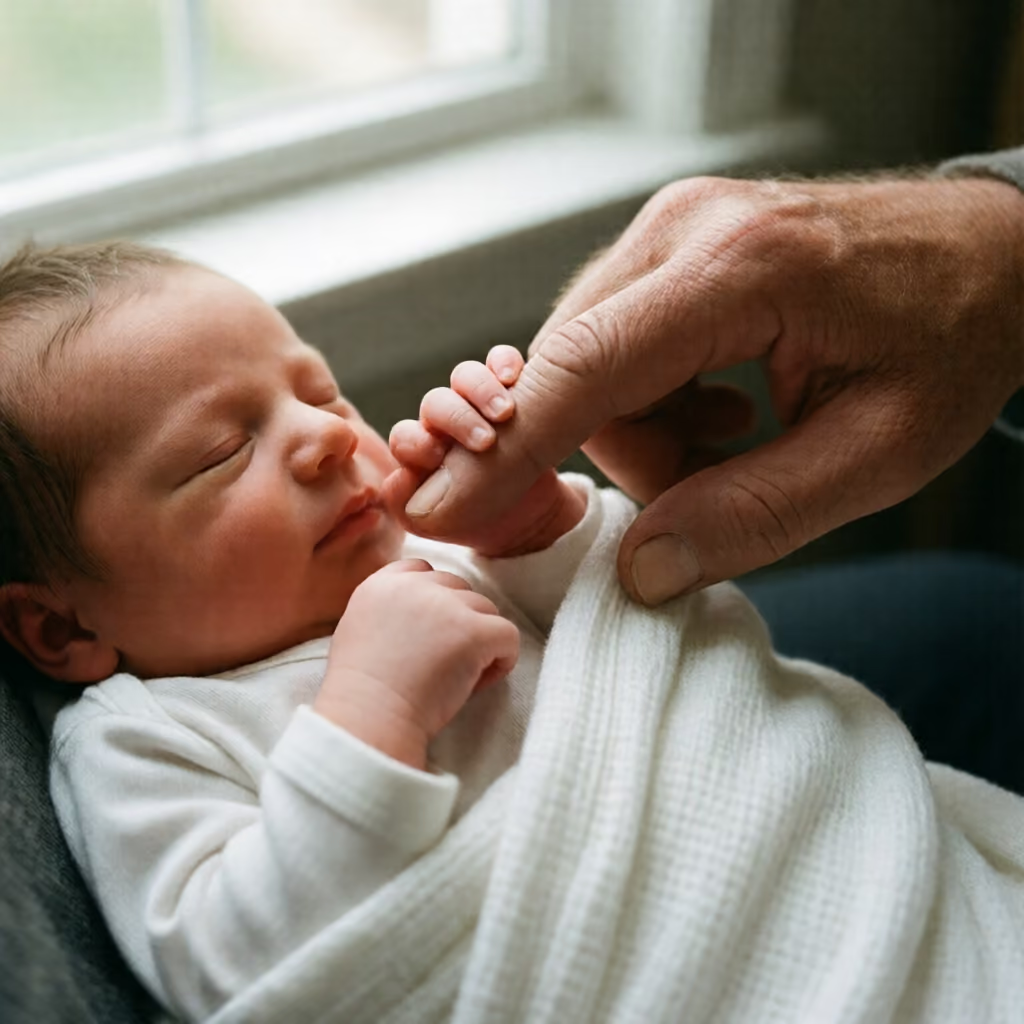
das Sein
being
The existence of a human being, living creature, or thing; existence in general.
EXAMPLE
Die Frage nach dem Sein beschäftigt die Menschen seit Jahrhunderten.
The question of being has occupied people for centuries.
being
das Sein
Loading your saved state.
being
The existence of a human being, living creature, or thing; existence in general.
Die Frage nach dem Sein beschäftigt die Menschen seit Jahrhunderten.
The question of being has occupied people for centuries.

being
In philosophy, fundamental reality or the particular way in which something exists. Being is often contrasted with consciousness or thought.
Für diesen Philosophen bestimmt das gesellschaftliche Sein das Bewusstsein.
For this philosopher, social being determines consciousness.
| gender | neuter das |
|---|---|
| genitive | des Seins |
| singular | plural | |
|---|---|---|
| nominative | das Sein | – |
| accusative | das Sein | – |
| dative | dem Sein | – |
| genitive | des Seins | – |
The article changes with the case; it is shown in colour.
'Sein' (being) is the verb 'sein' (to be) used as a noun. This makes it possible to talk about existence itself; the pattern 'das Sein' (being) with a genitive complement is typical.
Der Text untersucht das Sein des Menschen in der modernen Welt.
The text examines human existence in the modern world.
As a noun, 'Sein' (being) belongs mainly to philosophical and elevated language. Outside philosophy, it often sounds solemn or contemplative.
In ihrem Gedicht denkt die Autorin über das menschliche Sein nach.
In her poem, the author reflects on human existence.
The fixed expression 'Sein oder Nichtsein' (to be or not to be) is known from a quotation from Shakespeare's 'Hamlet'. In the expression 'um Sein oder Nichtsein gehen' (to be a matter of existence or nonexistence), it emphasizes that existence or survival is at stake.
Für das kleine Unternehmen geht es bei diesen Verhandlungen um Sein oder Nichtsein.
For the small company, these negotiations are a matter of survival.