


das Stehen
standing
An upright body position in which the body's weight rests on the feet.
EXAMPLE
Langes Stehen belastet die Beine und den Rücken.
Standing for a long time puts strain on the legs and back.
standing
das Stehen
Loading your saved state.
standing
An upright body position in which the body's weight rests on the feet.
Langes Stehen belastet die Beine und den Rücken.
Standing for a long time puts strain on the legs and back.
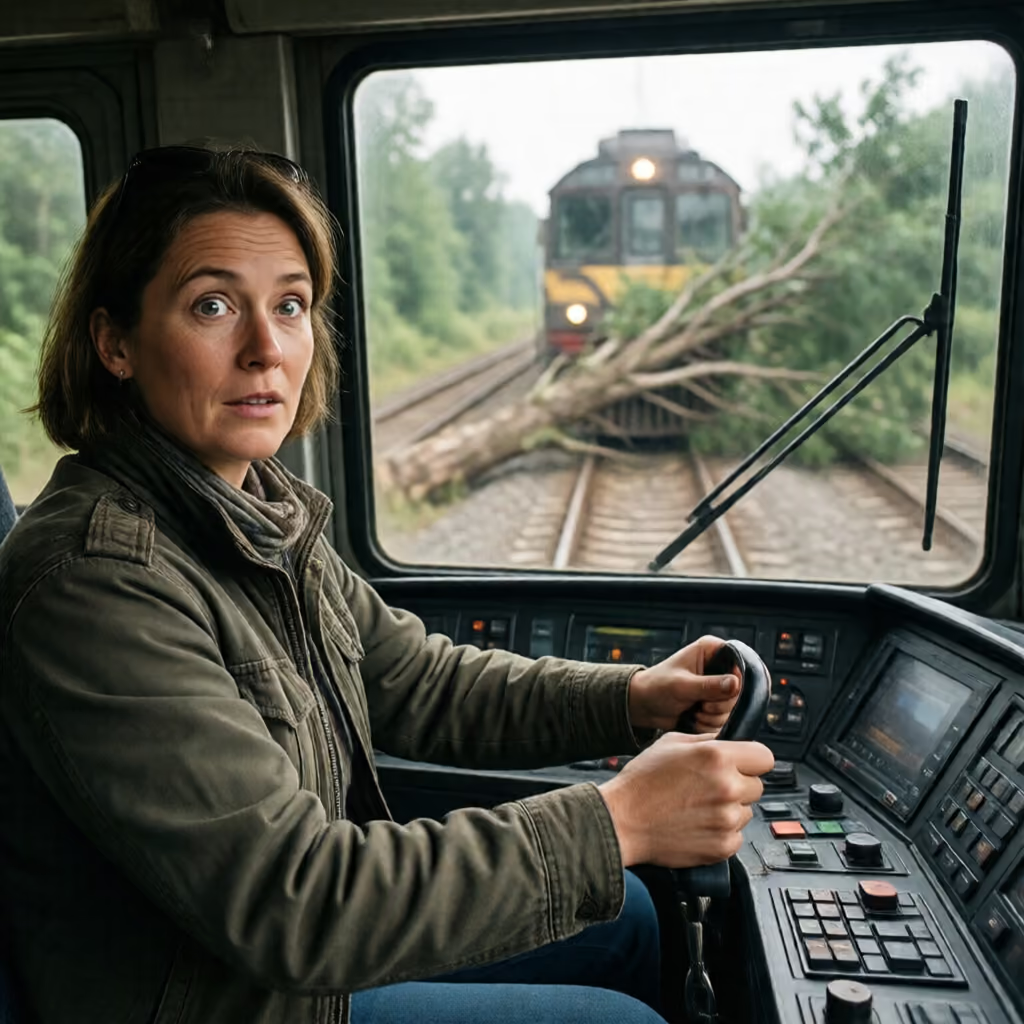
to come to a stop
To stop moving and stand still, especially when referring to vehicles. With „bringen“ (to bring), the expression means to stop something.
Nach der Vollbremsung kam der Zug erst nach zweihundert Metern zum Stehen.
After the emergency braking, the train did not come to a stop until it had traveled another two hundred meters.
| gender | neuter das |
|---|---|
| genitive | des Stehens |
| singular | plural | |
|---|---|---|
| nominative | das Stehen | – |
| accusative | das Stehen | – |
| dative | dem Stehen | – |
| genitive | des Stehens | – |
The article changes with the case; it is shown in colour.
„Das Stehen“ (standing) is the nominalized verb „stehen“ (to stand). It can therefore be further specified with an adjective or an additional phrase, for example „langes“ (long) or „im Bus“ (on the bus); as a noun, it is capitalized.
Das stundenlange Stehen an der Kasse machte ihr zu schaffen.
Standing in line at the checkout for hours was difficult for her.
For the body position, „das Stehen“ (standing) often occurs with information about the place or duration. Typical patterns are „im Stehen“ (while standing), „beim Stehen“ (while standing), and „langes Stehen“ (standing for a long time); „beim“ indicates the situation in which something happens at the same time.
Beim Stehen im Zug hielt sie sich an einer Stange fest.
While standing on the train, she held on to a pole.