

der Ober
waiter
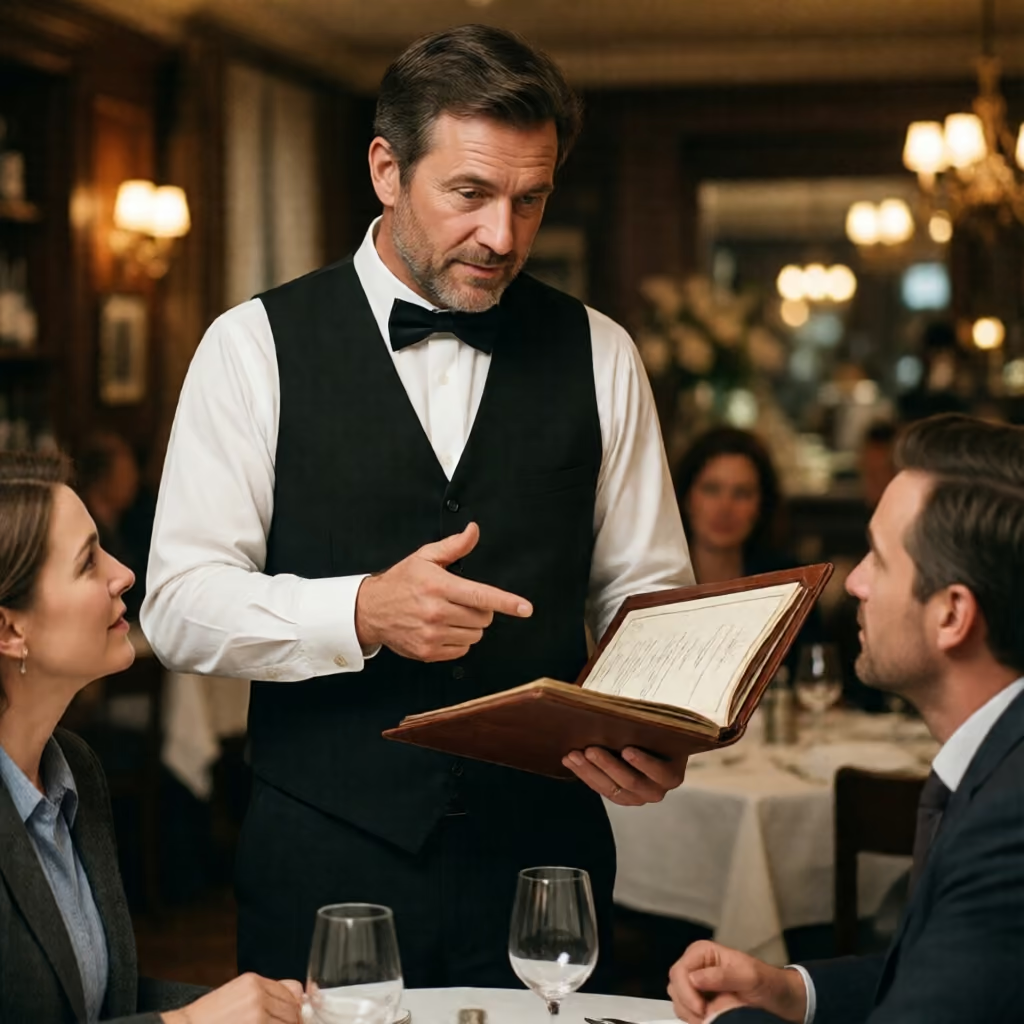
A waiter in a restaurant or café. The word is also used as a form of address.
EXAMPLE
Der Ober brachte uns die Speisekarte und empfahl den Fisch.
The waiter brought us the menu and recommended the fish.
waiter / Ober
der Ober, die Ober
Loading your saved state.
waiter
A waiter in a restaurant or café. The word is also used as a form of address.
Der Ober brachte uns die Speisekarte und empfahl den Fisch.
The waiter brought us the menu and recommended the fish.
Ober
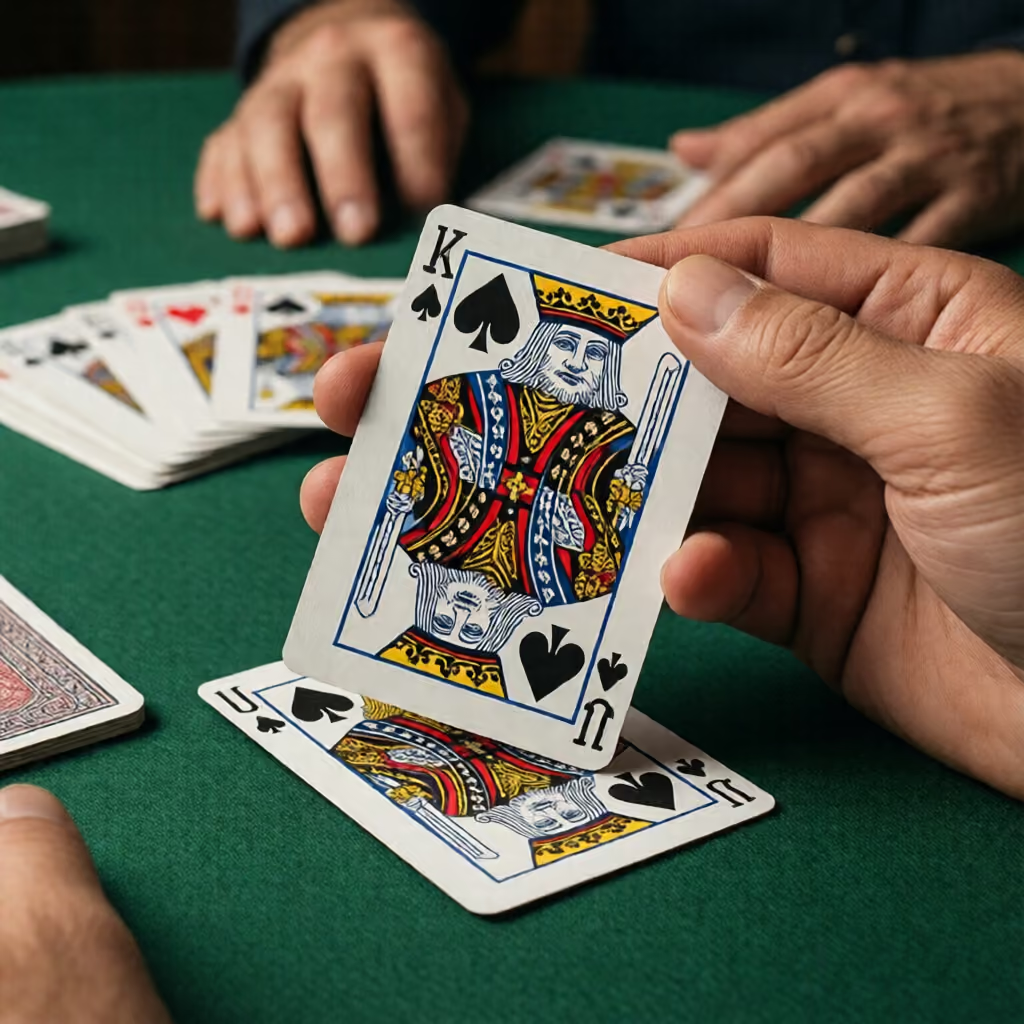
A playing card in the German or Swiss card deck that ranks above the Unter and below the King.
In diesem Stich schlägt der Ober den Unter.
In this trick, the Ober beats the Unter.
| gender | masculine der |
|---|---|
| plural | die Ober |
| genitive | des Obers |
| singular | plural | |
|---|---|---|
| nominative | der Ober | die Ober |
| accusative | den Ober | die Ober |
| dative | dem Ober | den Obern |
| genitive | des Obers | der Ober |
The article changes with the case; it is shown in colour.
When used as a direct form of address, 'Herr Ober' (waiter) is used without an article. In writing, this form of address is separated from the rest of the sentence with a comma.
Herr Ober, können wir bitte bestellen?
Waiter, could we order, please?
'Ober' belongs to the traditional language of the hospitality industry. The form of address 'Herr Ober' (waiter) may sound old-fashioned today.
Im alten Café rief ein Gast laut nach dem Ober.
In the old café, a guest loudly called for the waiter.
When playing cards, 'einen Ober ausspielen' (to play an Ober) and 'einen Ober auf der Hand haben' (to have an Ober in one's hand) are typical collocations. Words like 'Stich' (trick), 'Trumpf' (trump), or 'ausspielen' (to play) indicate that the card is meant.
Weil sie noch einen Ober auf der Hand hatte, hoffte sie auf einen weiteren Stich.
Because she still had an Ober in her hand, she hoped to win another trick.