

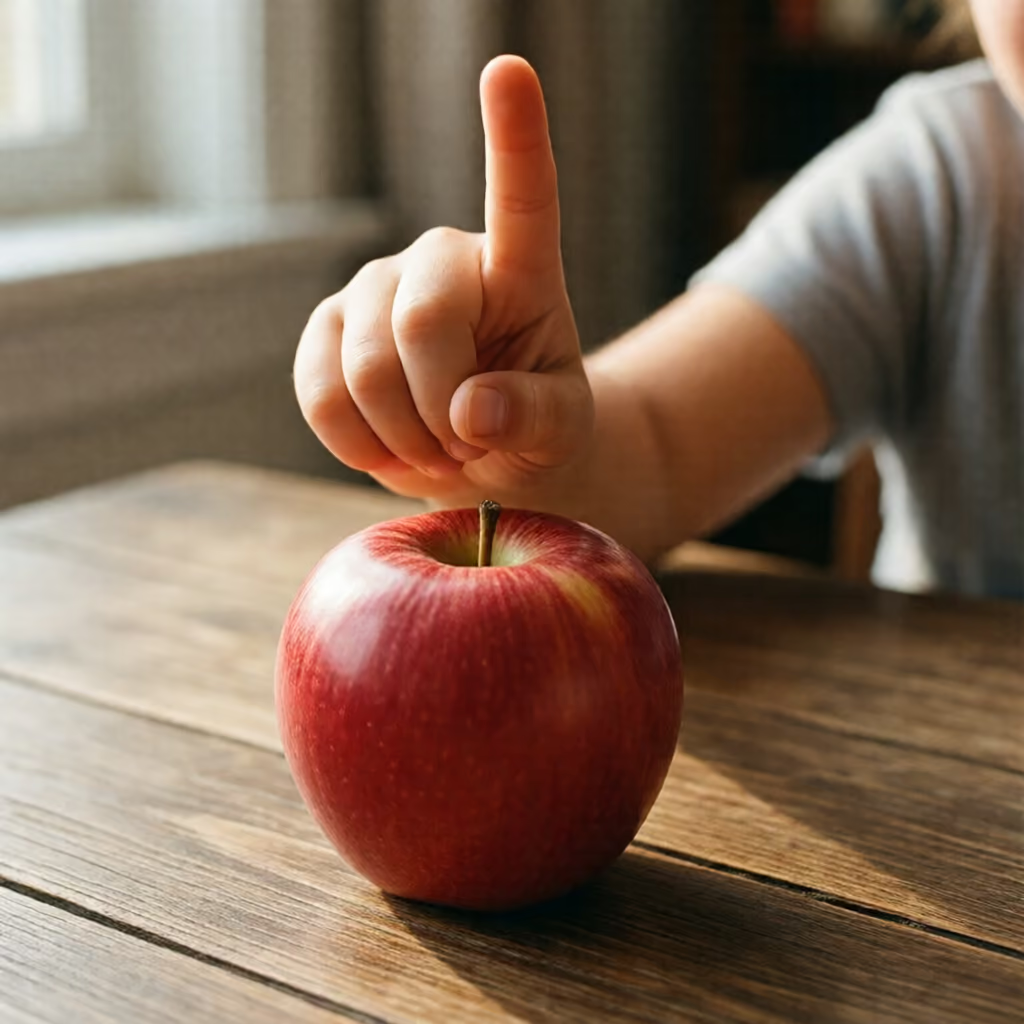
die Eins
one
The number 1 or the numeral 1.
EXAMPLE
Nach der Null kommt die Eins.
One comes after zero.
one
die Eins, die Einsen
Loading your saved state.
one
The number 1 or the numeral 1.
Nach der Null kommt die Eins.
One comes after zero.

top grade
The best school grade in the German grading system.
Für ihre Klassenarbeit bekam sie eine Eins.
She got a top grade on her class test.
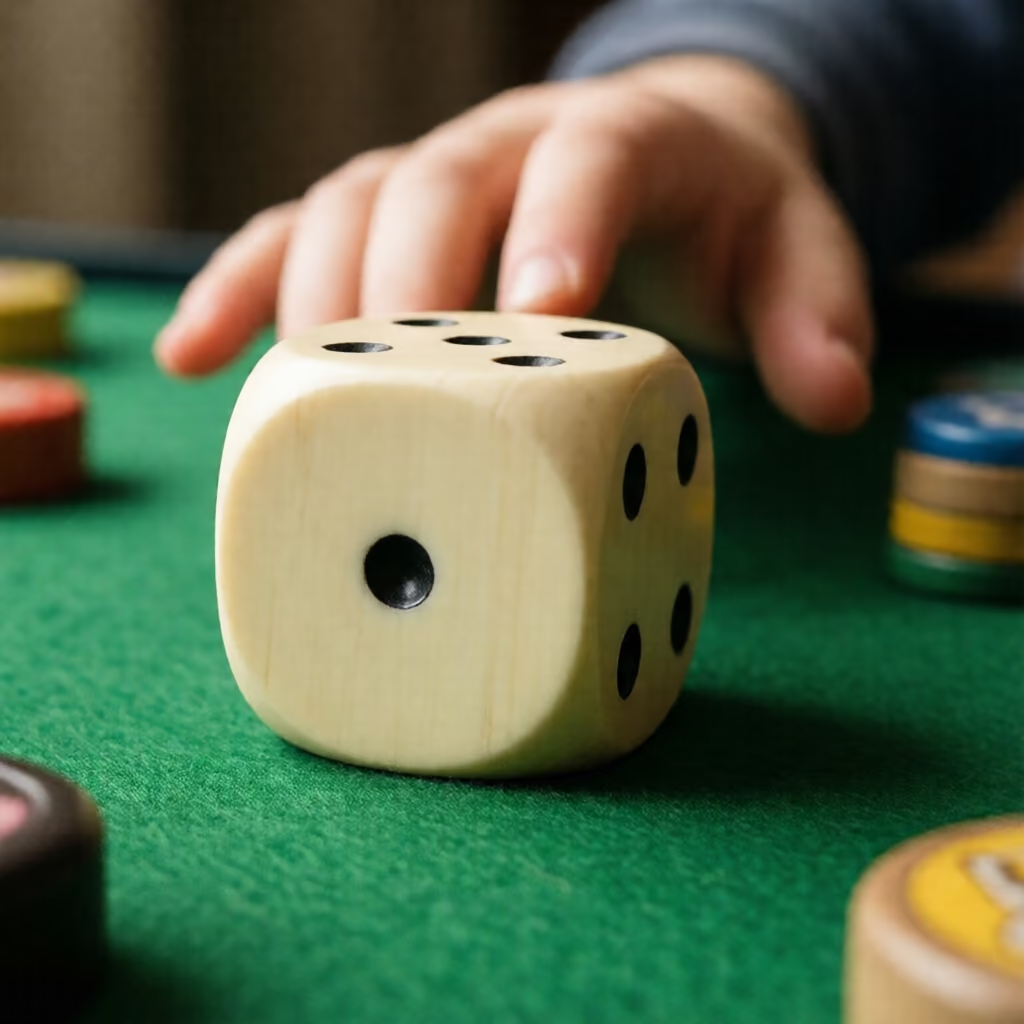
one on a die
A roll of a die showing one pip.
Sie würfelte eine Eins und durfte ein Feld vorrücken.
She rolled a one and was allowed to move forward one space.
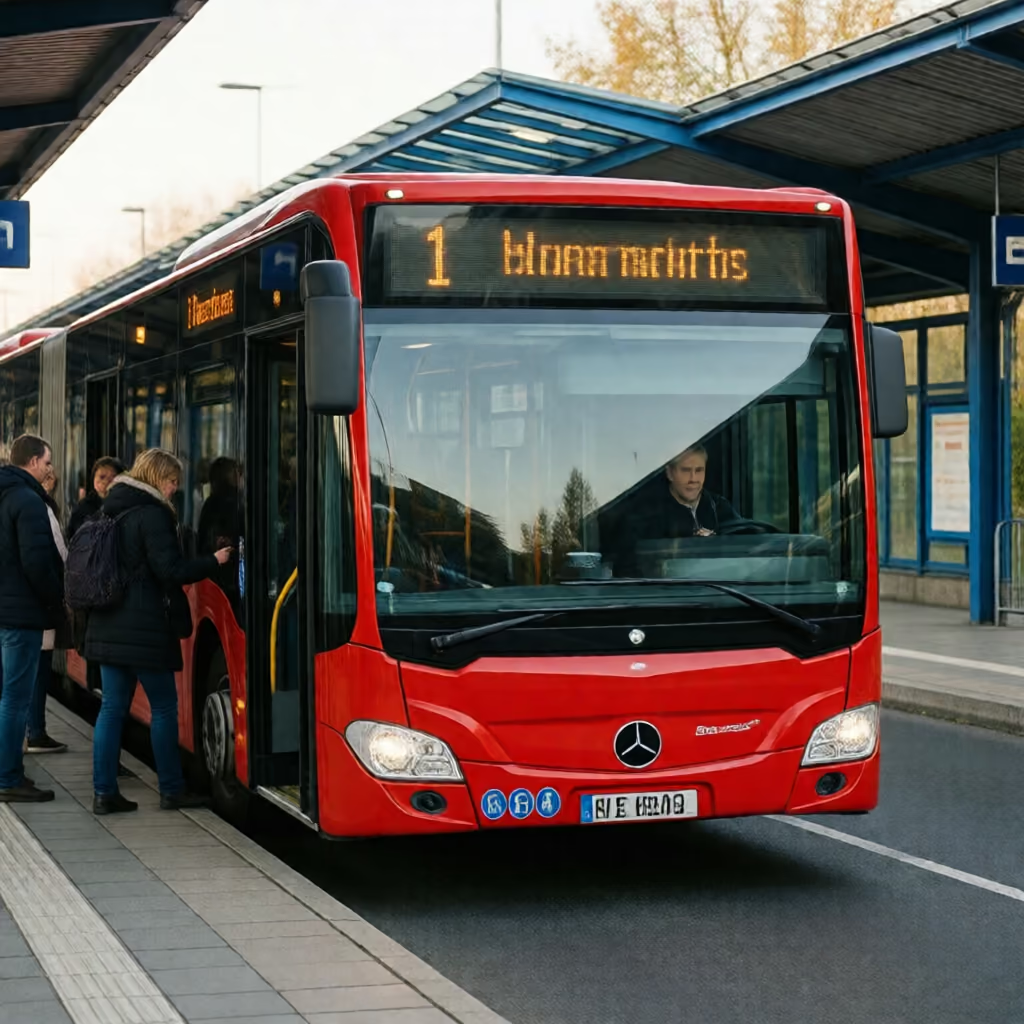
the number 1 (bus or train line)
Colloquially: the bus or train line numbered 1.
Die Eins fährt alle zehn Minuten bis zum Hauptbahnhof.
The number 1 runs to the main station every ten minutes.
| gender | feminine die |
|---|---|
| plural | die Einsen |
| genitive | der Eins |
| singular | plural | |
|---|---|---|
| nominative | die Eins | die Einsen |
| accusative | die Eins | die Einsen |
| dative | der Eins | den Einsen |
| genitive | der Eins | der Einsen |
The article changes with the case; it is shown in colour.
'Eins' (one) is a number word used as a noun and is therefore capitalized. As a noun, it often appears with an article or a preposition, for example in fixed expressions and sequences of quantities.
Die Eins steht am Anfang der Zahlenreihe.
One stands at the beginning of the number sequence.
Wir zählen von der Eins bis zur Zehn.
We count from one to ten.
The intended meaning is usually clear from the surrounding words: when counting, it refers to the number; with 'bekommen' (to get) or 'schreiben' (to write), it often refers to a school grade; with 'würfeln' (to roll a die), it refers to the die; and with 'nehmen' (to take), 'fahren' (to travel), or 'einsteigen' (to get on), it refers to a bus or train line.
Auf dem Arbeitsblatt fehlt noch die Eins.
The one is still missing from the worksheet.
Für den Test hat Jonas eine Eins bekommen.
Jonas got a top grade on the test.
Zum Bahnhof nehme ich die Eins.
I take the number 1 to the station.
For the number, 'die Eins' (one) is used especially when counting, comparing, or identifying a position. Common expressions include 'bei der Eins anfangen' (to start with one), 'die Eins wählen' (to dial one), and 'die Eins auf der Tastatur drücken' (to press one on the keyboard).
Bitte drücke die Eins auf der Tastatur.
Please press one on the keyboard.
Die Nummer beginnt mit der Eins.
The number starts with one.
In a school context, 'die Eins' (a top grade) often appears with verbs such as 'bekommen' (to get), 'schreiben' (to receive on a test), and 'geben' (to give). The expression 'mit einer Eins abschließen' (to finish with a top grade) also refers to an excellent school-leaving result.
Mira hat in Mathematik eine Eins geschrieben.
Mira got a top grade in math.
Er möchte das Schuljahr mit einer Eins abschließen.
He wants to finish the school year with a top grade.