

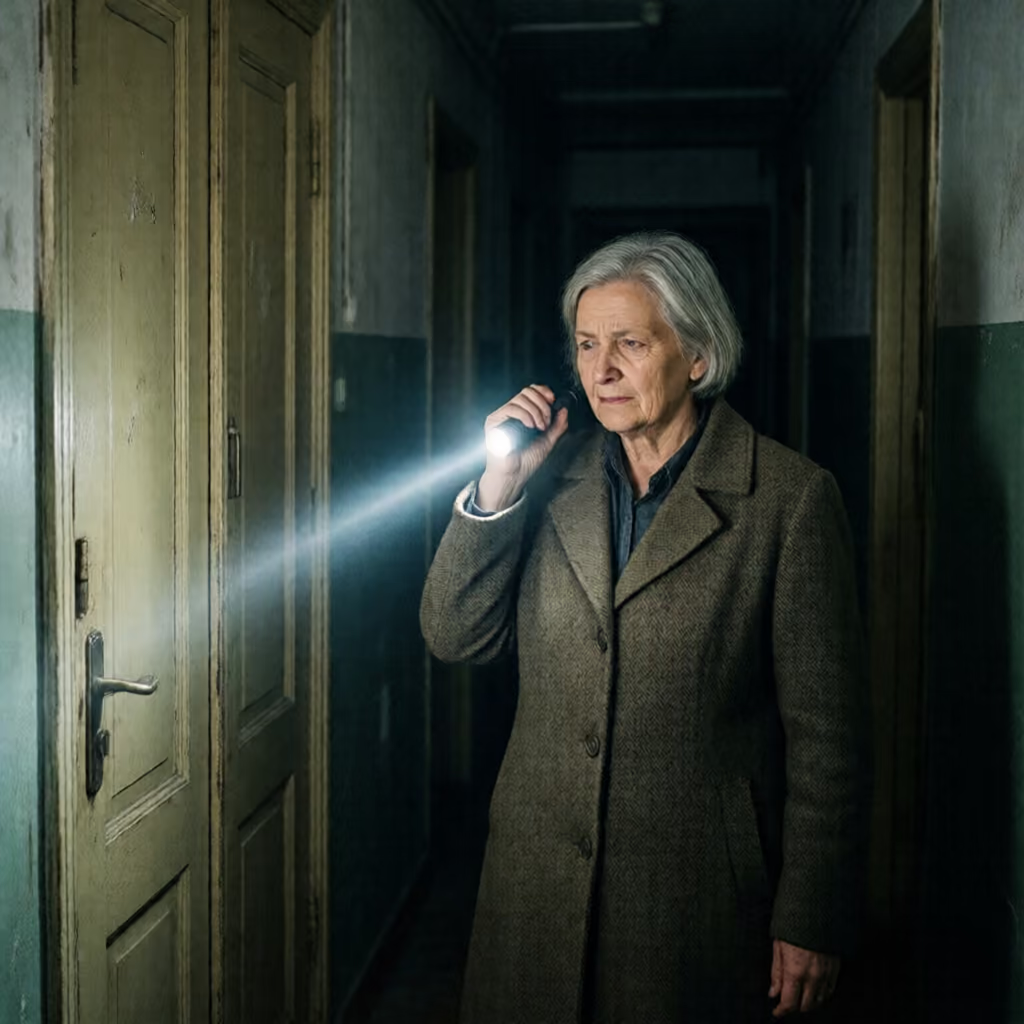
das Dunkle
darkness
An area or state with little or no light. It is especially common in the expression „im Dunkeln“ (in the dark).
EXAMPLE
Im Dunkeln konnte ich die Hausnummer nicht erkennen.
I couldn't make out the house number in the dark.
darkness / the dark
Loading your saved state.
darkness
An area or state with little or no light. It is especially common in the expression „im Dunkeln“ (in the dark).
Im Dunkeln konnte ich die Hausnummer nicht erkennen.
I couldn't make out the house number in the dark.

the mysterious side
The unknown, unclear, or mysterious aspect of something.
Das Dunkle und Rätselhafte an diesem Fall beschäftigt die Ermittlerin noch immer.
The dark and mysterious aspects of this case still occupy the investigator's thoughts.

to be in the dark
To have no explanation or useful information about a question or problem.
Bei der Suche nach der Ursache des Stromausfalls tappen die Techniker noch im Dunkeln.
The technicians are still in the dark about the cause of the power outage.

to keep someone in the dark
To withhold important information from someone so that they do not know about something.
Die Geschäftsleitung ließ die Beschäftigten über den geplanten Verkauf im Dunkeln.
Management kept the employees in the dark about the planned sale.

the dark side
The threatening, evil, or sinister aspects of a person or thing.
Der Roman handelt vom Dunklen in der menschlichen Seele.
The novel is about the dark side of the human soul.
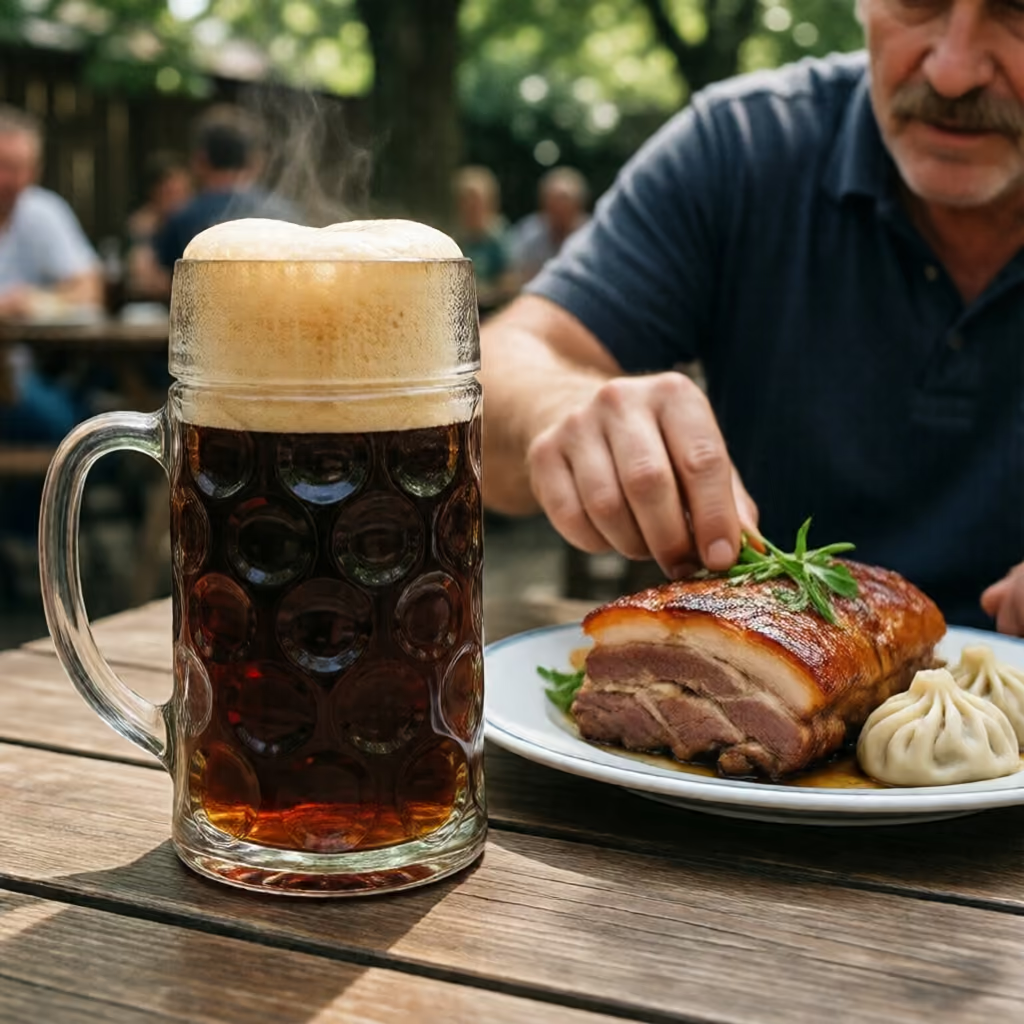
dark beer
A beer with a dark color created by using dark malt.
Zum Schweinebraten bestellte er ein Dunkles.
He ordered a dark beer with his roast pork.
„Das Dunkle“ is a substantivized adjective: the article „das“ turns „dunkel“ (dark) into a noun, which is then capitalized. Depending on the context, it can refer to a visible area, a quality, or something abstract.
Das Dunkle im Bild bildet einen starken Kontrast zu den hellen Farben.
The dark area in the picture creates a strong contrast with the bright colors.
For a place without light, „das Dunkle“ is especially often used in the expression „im Dunkeln“ (in the dark). „Im“ indicates a state or location.
Im Dunkeln wirkte der alte Keller viel größer.
The old cellar seemed much larger in the dark.
The meaning „unknown or mysterious“ is often indicated by words such as „Rätsel“ (mystery), „Geheimnis“ (secret), „Fall“ (case), or „Geschichte“ (story). „Das Dunkle“ also frequently appears with a phrase introduced by „an“ (about).
Das Dunkle an der Geschichte ließ viele Fragen offen.
The mysterious aspect of the story left many questions unanswered.
In „im Dunkeln tappen“ (to be in the dark), „im Dunkeln“ is fixed with the verb „tappen“ (to feel one's way). The expression is often used with „bei“ (about/in connection with) and a problem or question.
Bei der Planung des Projekts tappten wir lange im Dunkeln.
We were in the dark for a long time during the planning of the project.
In „jemanden im Dunkeln lassen“ (to keep someone in the dark), the person affected is in the accusative. The information someone does not receive is often introduced with „über“ (about) and the accusative.
Der Veranstalter ließ die Gäste über die Änderungen im Dunkeln.
The event organizer kept the guests in the dark about the changes.
In its figurative meaning, „das Dunkle“ often appears with expressions such as „in der menschlichen Seele“ (in the human soul) or „an einem Menschen“ (about a person). The context is often literary, psychological, or sinister.
Gerade das Dunkle an dieser Figur macht sie für viele Leser so faszinierend.
It is precisely the dark side of this character that fascinates so many readers.
As a term for a beer, „ein Dunkles“ is especially used when ordering a drink. The context of drinks or a menu makes this meaning clear.
Für mich bitte ein Dunkles vom Fass.
A dark beer on draft for me, please.