

eindrücken
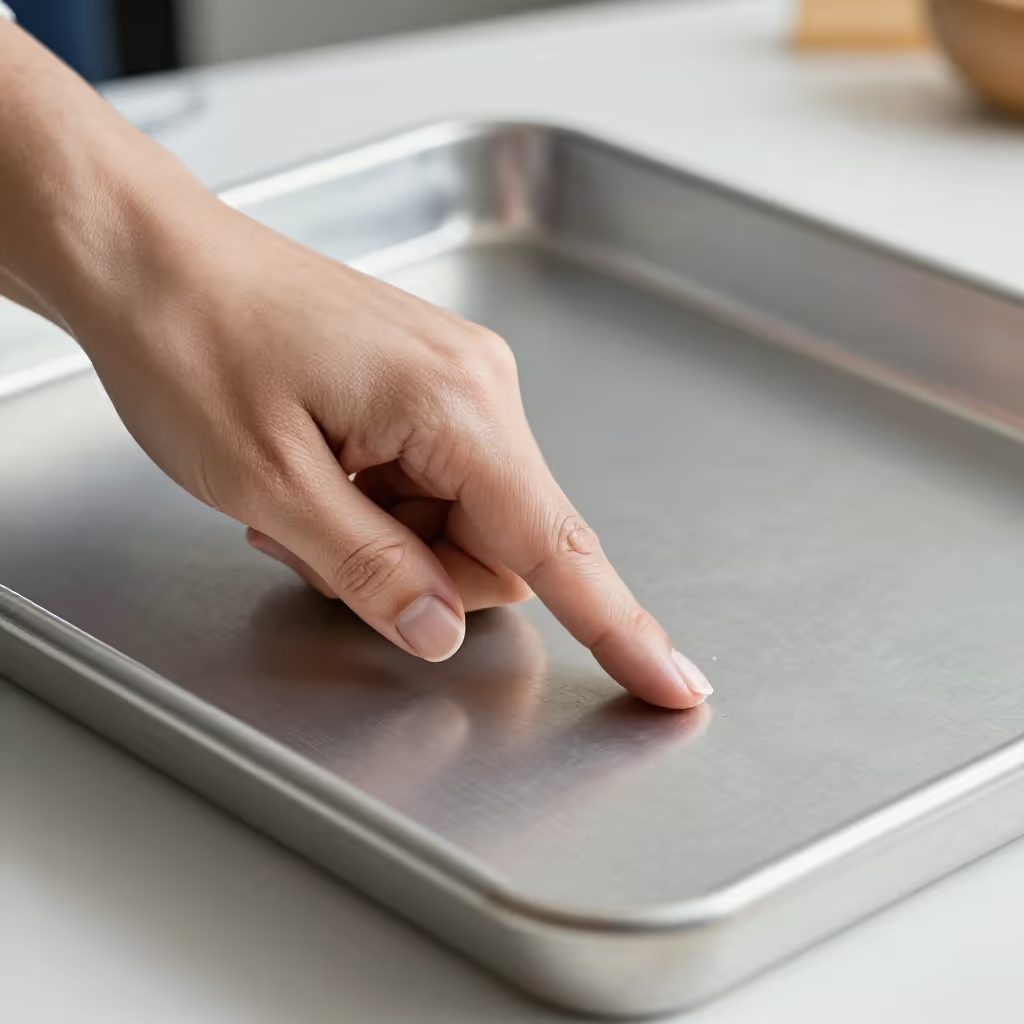
to dent
To cause an indentation or dent in a surface by applying pressure.
EXAMPLE
Der Hagelsturm hat das Dach des Autos an mehreren Stellen eingedrückt.
The hailstorm dented the roof of the car in several places.
to dent / force in
Loading your saved state.
to dent
To cause an indentation or dent in a surface by applying pressure.
Der Hagelsturm hat das Dach des Autos an mehreren Stellen eingedrückt.
The hailstorm dented the roof of the car in several places.
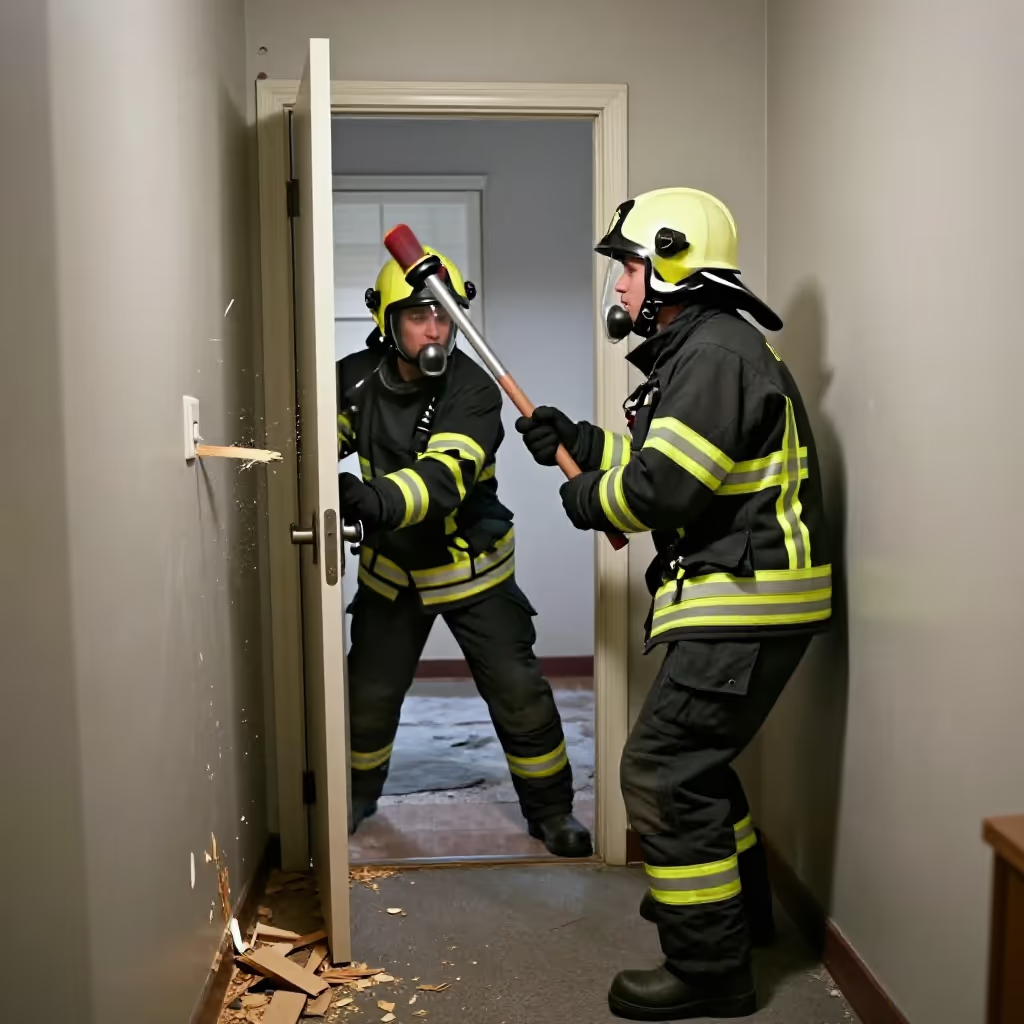
to force in
To push something blocking an entryway, such as a door or window, inward with force in order to get inside.
Die Feuerwehr musste die Tür eindrücken, um in die brennende Wohnung zu gelangen.
The fire department had to force in the door to get into the burning apartment.
'Eindrücken' (to dent / force in) is a separable verb. The prefix 'ein-' comes at the end in a main clause. In subordinate clauses and in the infinitive with 'zu', the verb stays together.
Der Stein drückte eine Delle in die Motorhaube ein.
The stone dented the hood.
The verb is made up of the prefix 'ein-' (in, into) and the verb 'drücken' (to press). So the meaning is literal: to press something inward.
Drück den Knopf vorsichtig ein, um das Gerät zu starten.
Press the button in carefully to start the device.
The difference in meaning becomes clear from the object. If it refers to a surface (roof, sheet metal, can), it means 'to make a dent'. If it refers to an entryway (door, window), it means 'to open by force'.
Der fallende Ast hat das Garagentor eingedrückt.
The falling branch dented the garage door.