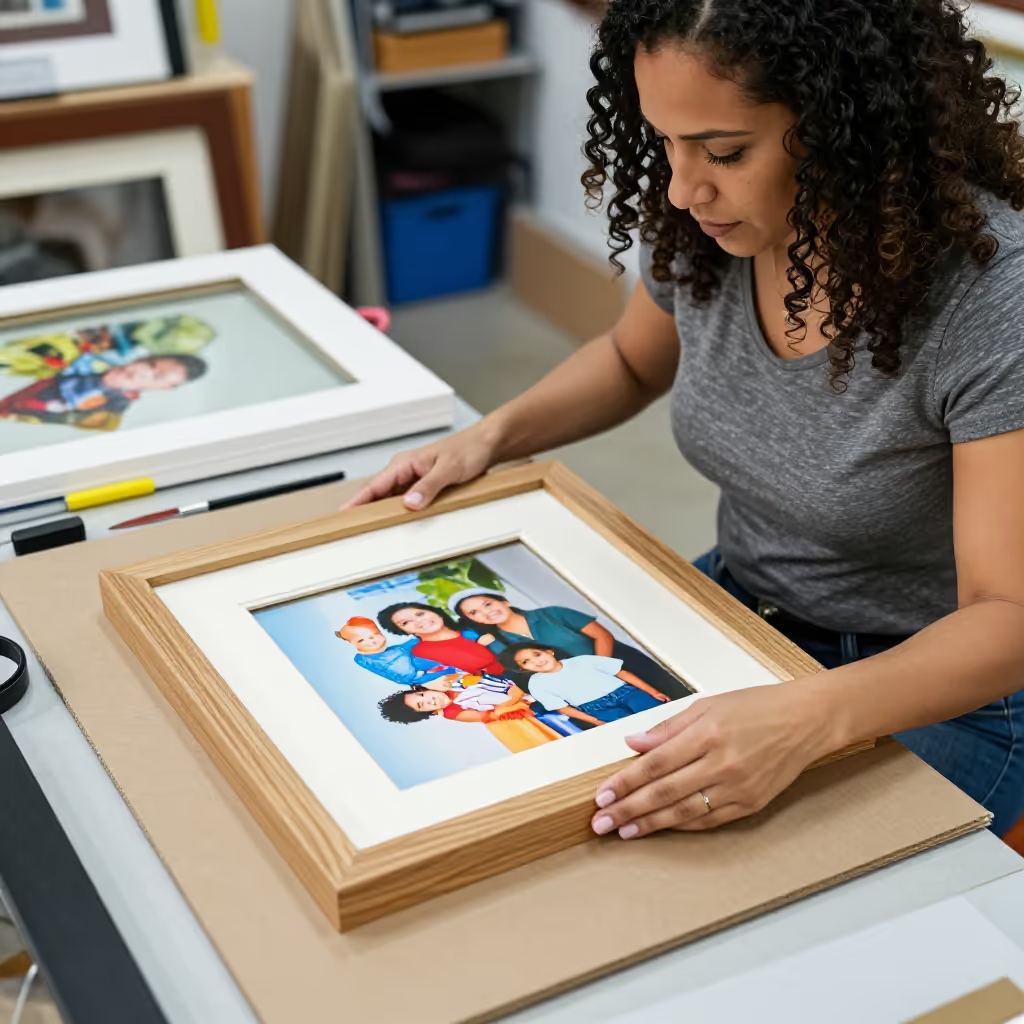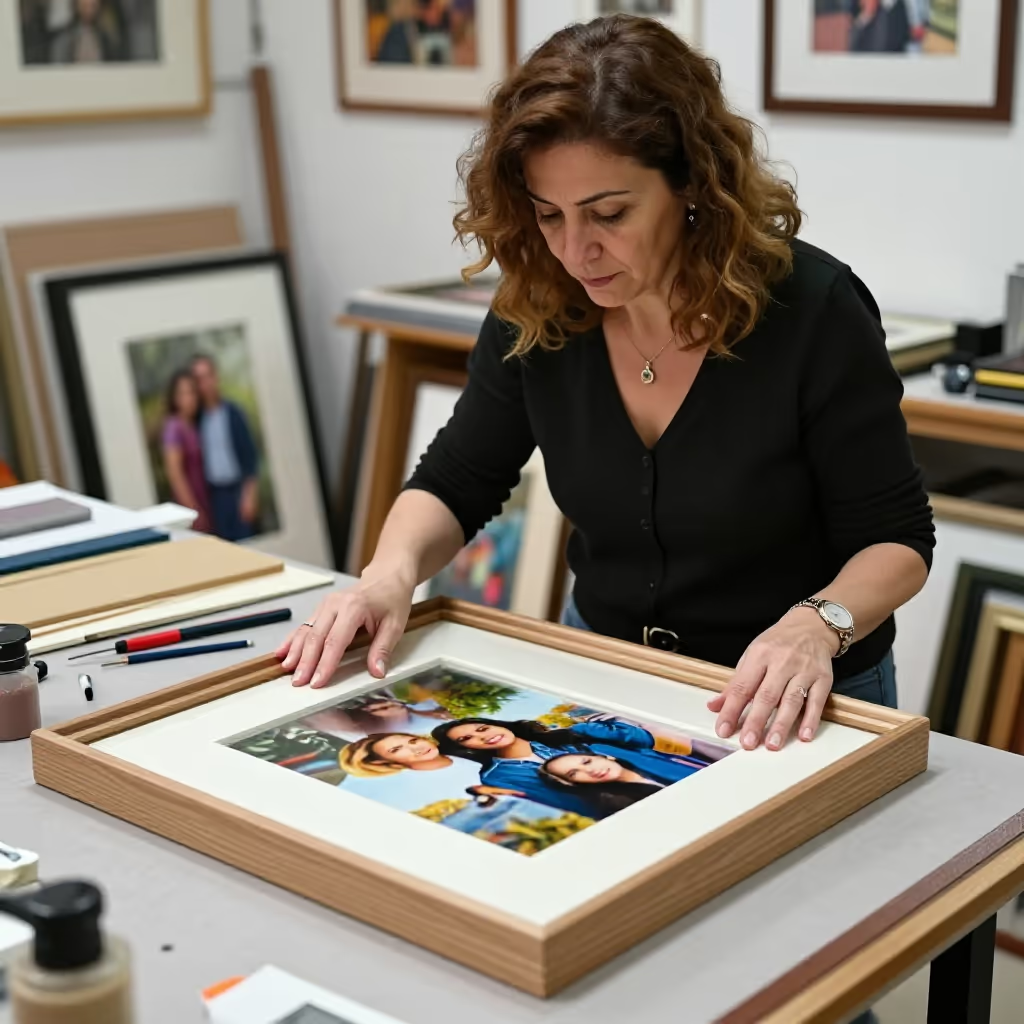
To put a picture, photograph, or document into a frame in order to hang it up or display it.
example
Ich werde das von den Kindern gemalte Bild einrahmen und im Wohnzimmer aufhängen.
I will frame the picture painted by the children and hang it in the living room.
Usage tips
Word structure
The verb 'einrahmen' (to frame) is made up of the prefix 'ein-' and the noun 'der Rahmen' (frame). Literally, it means to put something 'in einen Rahmen' (into a frame).
EXAMPLE
Für dieses schöne Foto brauchen wir einen besonderen Rahmen.
We need a special frame for this beautiful photo.
Separable verb
'Einrahmen' (to frame) is a separable verb. In a main clause, the prefix 'ein' comes at the end. In subordinate clauses and in the infinitive with 'zu', the verb stays together.
EXAMPLE
Ich rahme dein Zeugnis sofort ein.
I'll frame your certificate right away.
Context clue
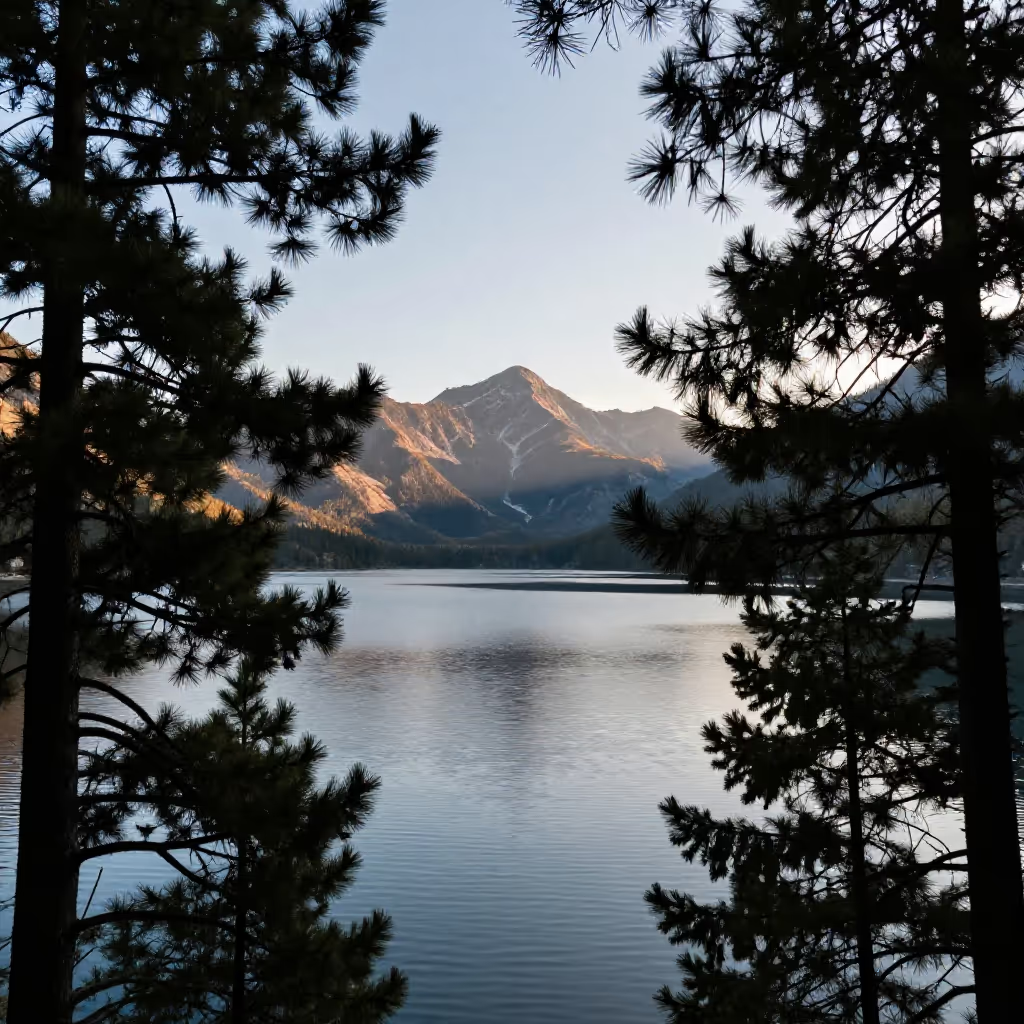
The literal meaning (m01) usually refers to man-made objects such as pictures or documents. The figurative meaning (m02) is often used for natural motifs, e.g. a face surrounded by hair, or a valley surrounded by mountains.
EXAMPLE
Lass uns die Urkunde einrahmen und ins Büro hängen.
Let's frame the certificate and hang it in the office.
Compare with
near_synonym
einrahmen vs umgeben
to surround
'umgeben' and 'einrahmen' can both express that something lies around something else. 'umgeben' is more general: a place, person, or thing can be surrounded by many things all around it. 'einrahmen' means more specifically that something acts like a frame or is actually put into a frame. The word is especially suitable for pictures, photos, or a pleasing visual border. If you only want to say that something is all around, 'umgeben' is more natural. If the frame-like effect is important, 'einrahmen' fits better.
einrahmen
Ich lasse das Foto einrahmen, weil ich es an die Wand hängen möchte.
I am having the photo framed because I want to hang it on the wall.
umgeben
Das Dorf ist von Feldern und kleinen Wäldern umgeben.
The village is surrounded by fields and small woods.