

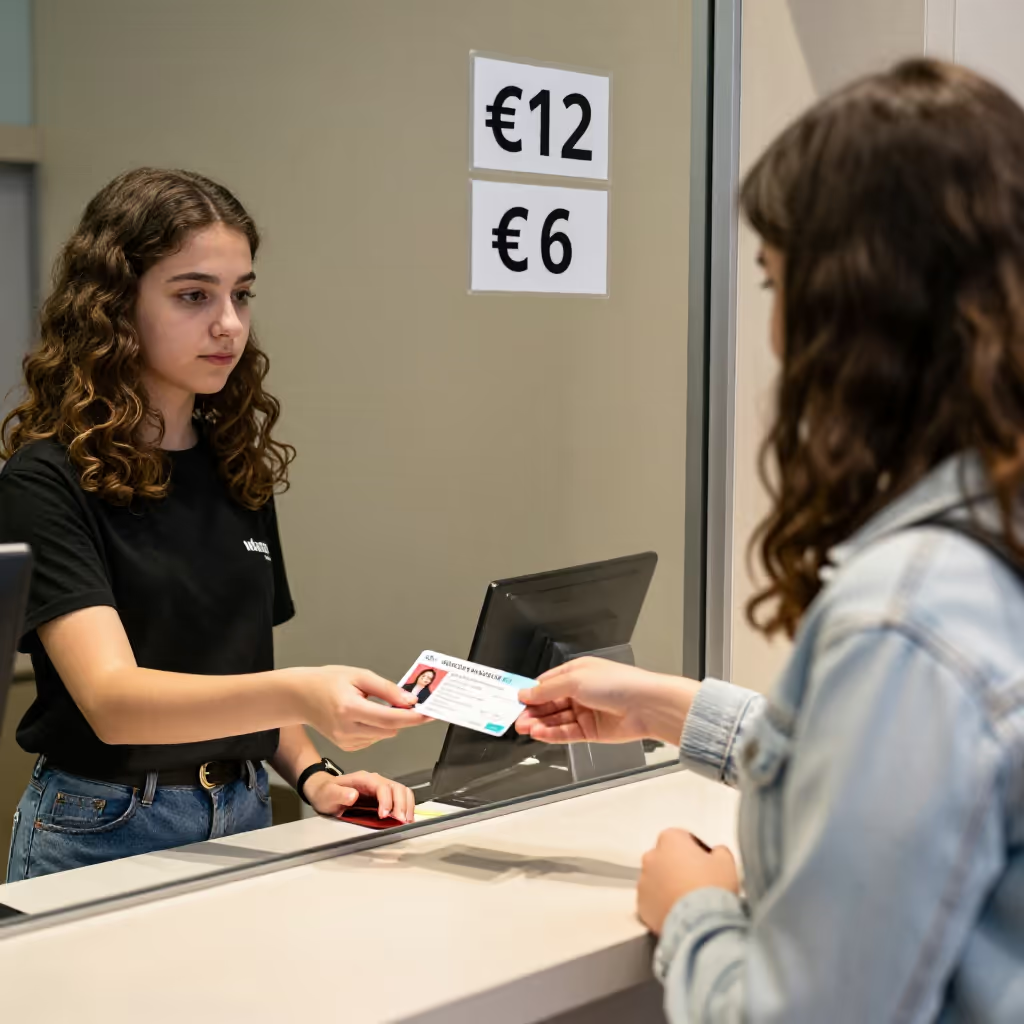
Reduced in price; cheaper than the regular price, often for certain groups of people.
example
Schüler und Studenten zahlen für die Kinokarte nur den ermäßigten Preis.
School students and university students pay only the reduced price for the movie ticket.

Usage tips
Participle as adjective
'Ermäßigt' (reduced) is the past participle of the verb 'ermäßigen' (to reduce the price). It is very often used like a normal adjective before a noun or on its own.
EXAMPLE
Wir bieten für Gruppen einen ermäßigten Tarif an.
We offer a reduced rate for groups.
Typical collocations
This adjective is almost always used in combination with things that have a price. Typical examples are 'ermäßigter Preis' (reduced price), 'ermäßigter Eintritt' (reduced admission), and 'ermäßigtes Ticket' (reduced ticket).
EXAMPLE
Gibt es für Kinder einen ermäßigten Eintrittspreis?
Is there a reduced admission price for children?
Sentence structure with 'für'
To indicate who gets the reduced price, the preposition 'für' (for) + accusative is used. This structure is very common.
EXAMPLE
Der Eintritt ist für Studenten und Rentner ermäßigt.
Admission is reduced for students and pensioners.
Compare with
antonym
ermäßigt vs voll
full
'voll' and 'ermäßigt' are opposites when talking about price. 'Der volle Preis' (the full price) means the complete, normal price without a discount. 'ermäßigt' means that the price is reduced, often for children, students, or older people. So the difference is simple: someone who pays the full price gets no discount. Someone who pays a reduced price pays less than the normal price.
ermäßigt
Für Studierende ist das Ticket am Wochenende ermäßigt.
For university students, the ticket is reduced on weekends.
voll
Ohne Schülerausweis muss Tom den vollen Eintrittspreis bezahlen.
Without a student ID, Tom has to pay the full admission price.