

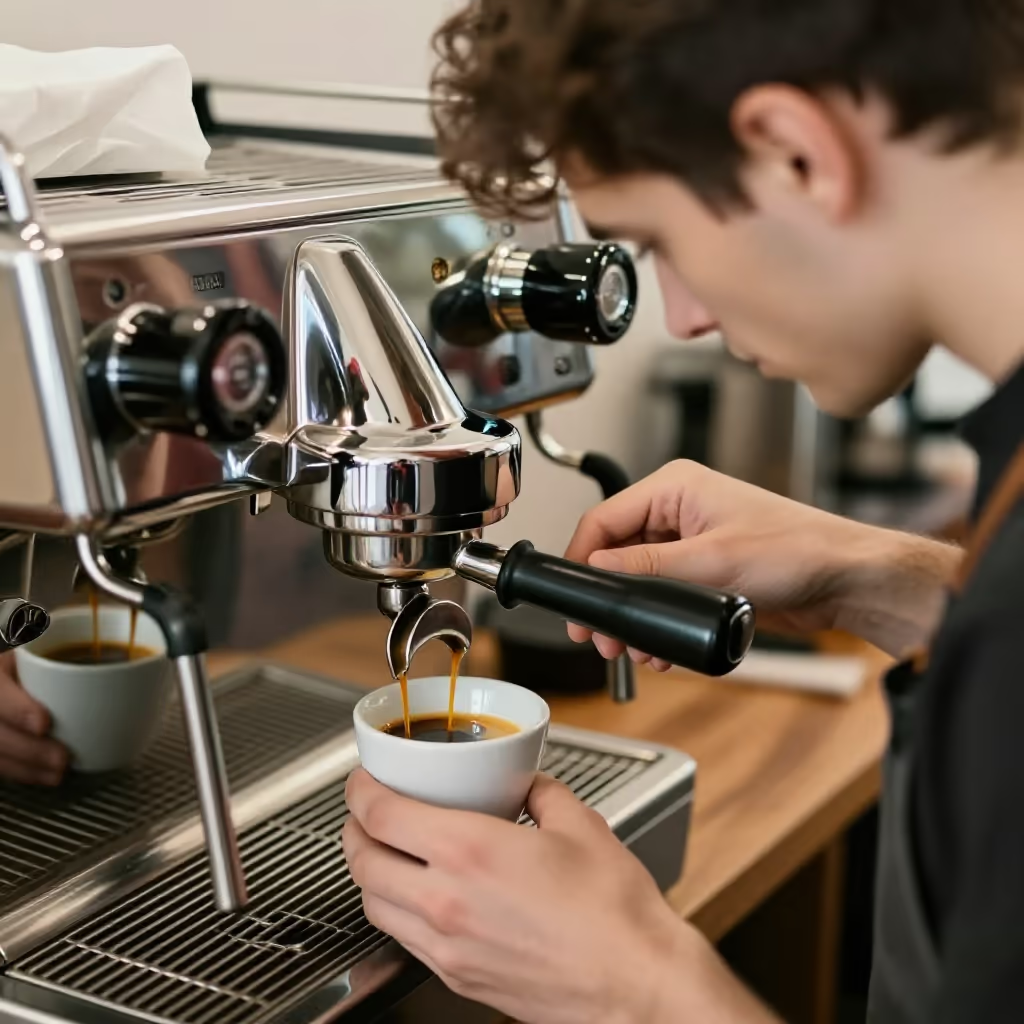
A strong, concentrated coffee prepared by pressing hot water at high pressure through finely ground coffee.
example
Nach dem Mittagessen bestelle ich mir immer einen doppelten Espresso.
After lunch, I always order myself a double espresso.
Usage tips
Typical adjectives
When ordering an espresso, people often distinguish between 'einfach' (single) and 'doppelt' (double). A 'doppelter Espresso' (double espresso) contains twice the amount of coffee and water.
EXAMPLE
Für mich bitte einen doppelten Espresso, ich bin sehr müde.
A double espresso for me, please; I'm very tired.
Typical verbs
In everyday language, espresso is often combined with the verbs 'trinken' (to drink), 'bestellen' (to order), or 'machen' (to make). In a café, for example, you would say: 'Ich hätte gern einen Espresso.' (I'd like an espresso.)
EXAMPLE
Möchtest du, dass ich uns einen Espresso mache?
Would you like me to make us an espresso?
Cultural context
In German-speaking countries, it is very common to drink an espresso after a larger meal, such as lunch or dinner. It is considered an aid to digestion or a little energy boost.
EXAMPLE
Nach dem Essen trinken wir immer einen Espresso.
After the meal, we always drink an espresso.
Compare with
near_synonym · confusable
Espresso vs Kaffee
coffee
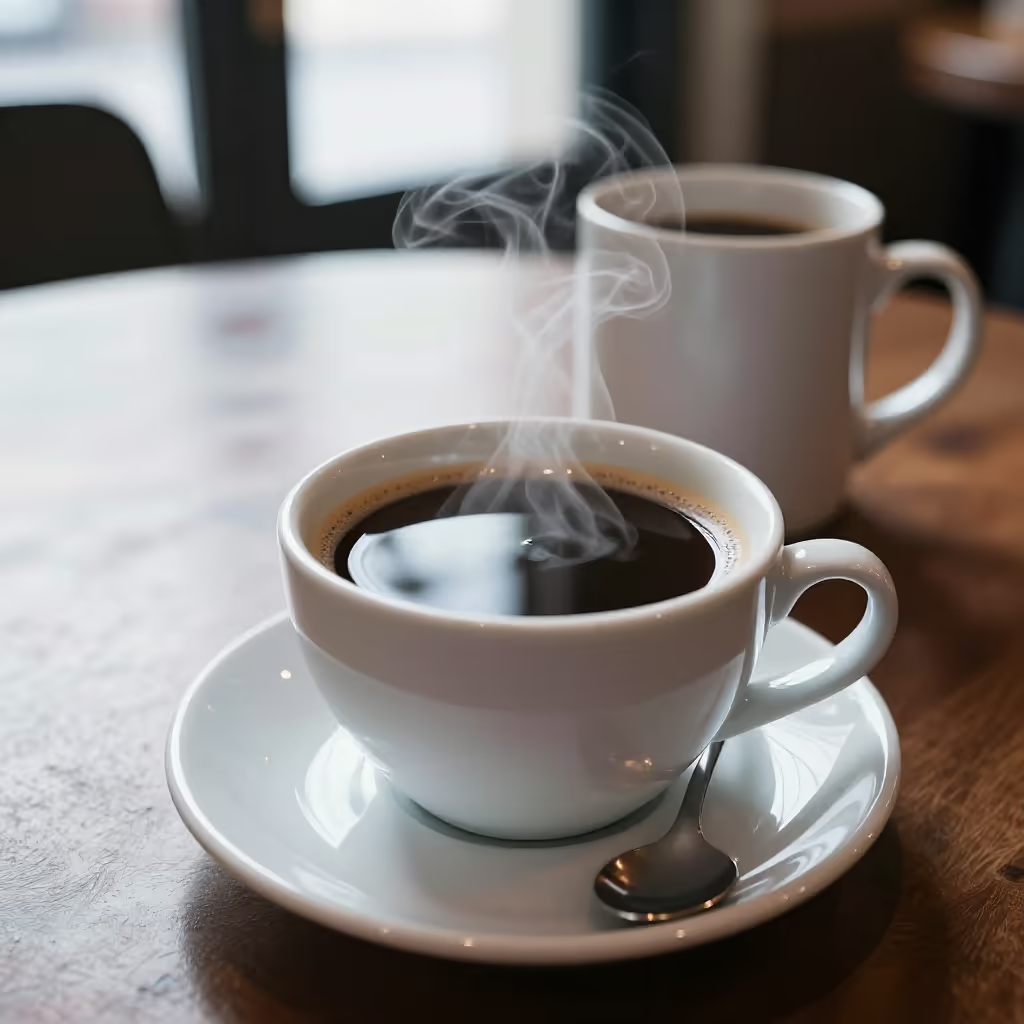
'Kaffee' and 'Espresso' both refer to a drink made from coffee beans. 'Kaffee' is the general name and can mean many kinds, for example filter coffee or coffee with milk. 'Espresso' is a specific kind of coffee: small, strong, and concentrated. Learners may confuse the words because espresso is also coffee. But not every coffee is an espresso. If you are talking about the drink in general, 'Kaffee' fits. If you mean the small, strong version, you say 'Espresso'.
Espresso
Vor der langen Autofahrt bestellte Max noch einen Espresso.
Before the long drive, Max ordered another espresso.
Kaffee
Nach dem Mittagessen trinkt Lena gern einen Kaffee.