

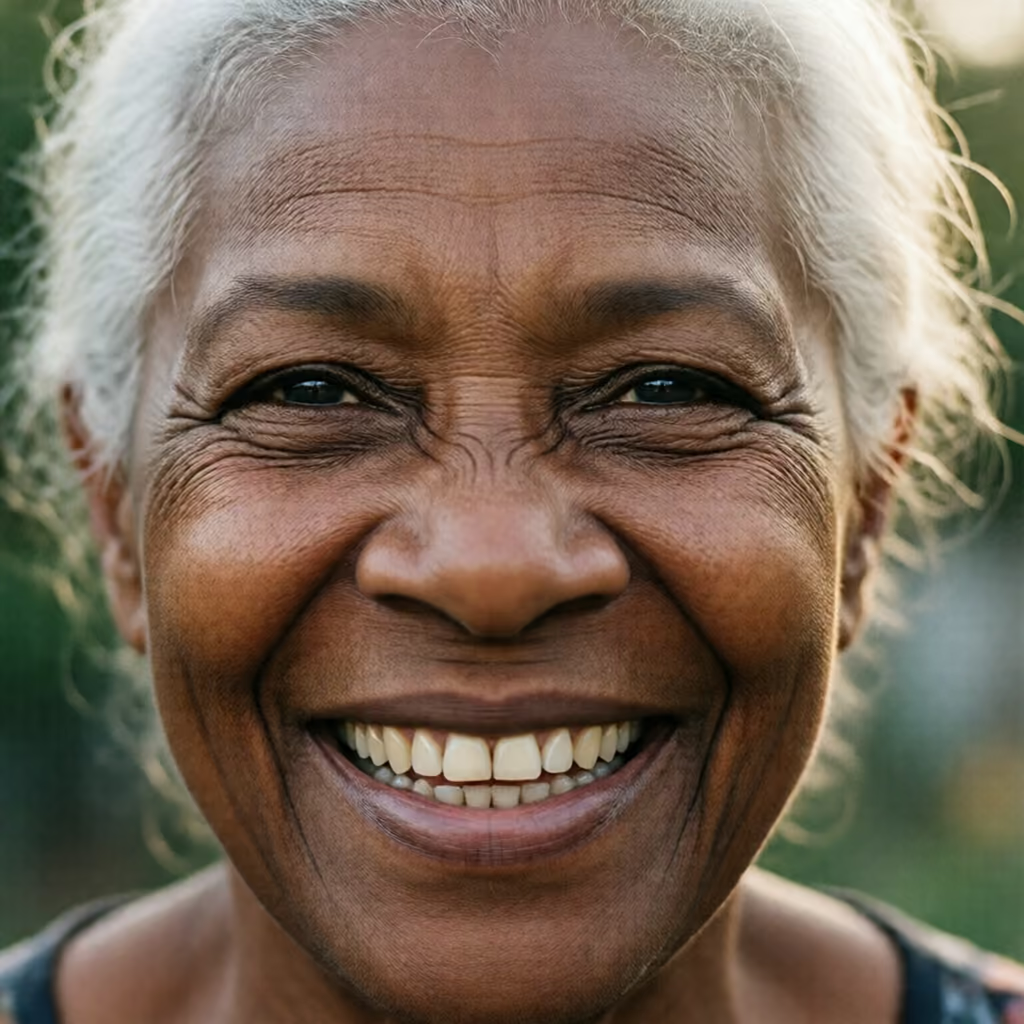
die Falte
wrinkle
A line or indentation in the skin caused by aging, facial movements, or the skin being compressed.
EXAMPLE
Wenn sie lacht, erscheinen kleine Falten um ihre Augen.
When she laughs, small wrinkles appear around her eyes.
wrinkle / fold
die Falte, die Falten
Loading your saved state.
wrinkle
A line or indentation in the skin caused by aging, facial movements, or the skin being compressed.
Wenn sie lacht, erscheinen kleine Falten um ihre Augen.
When she laughs, small wrinkles appear around her eyes.
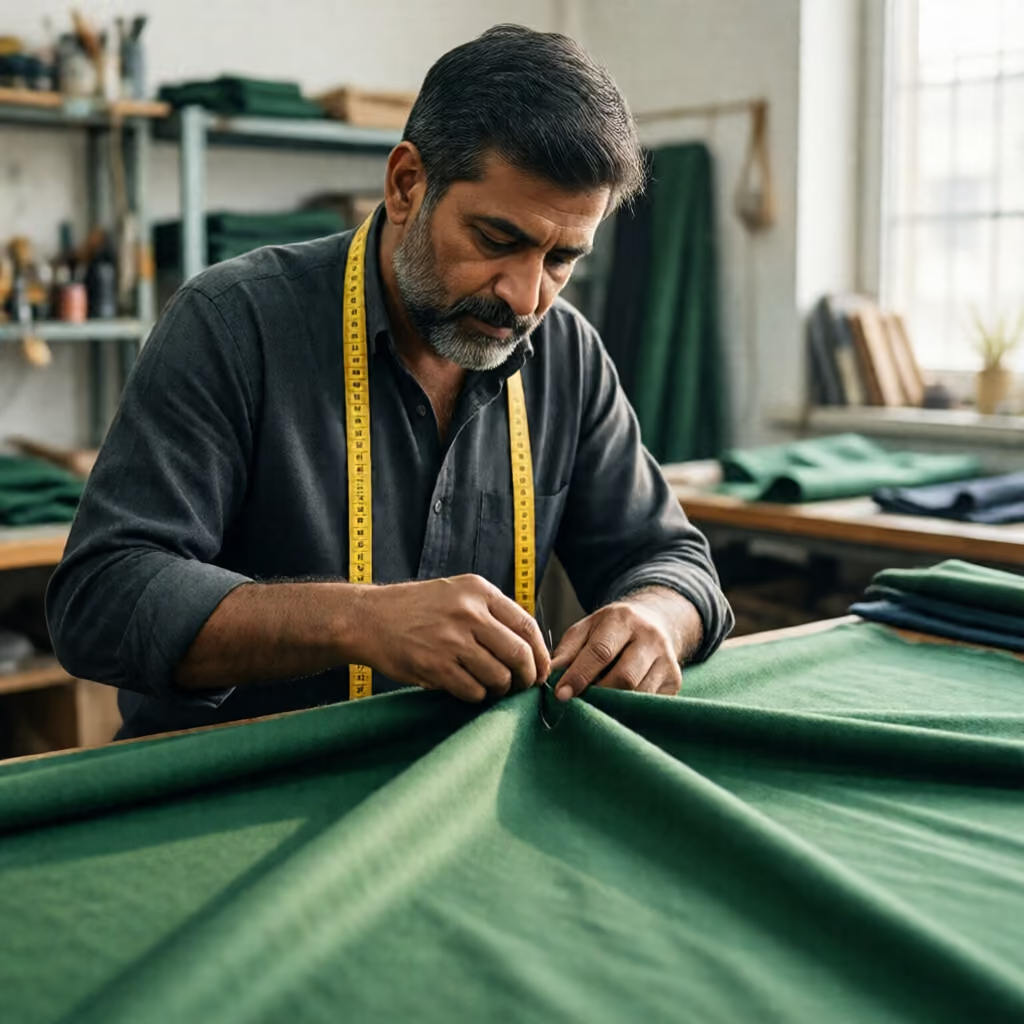
fold
A place in fabric, paper, or a similar material where it has been turned over, creased, or gathered. A fold can be made intentionally or form unintentionally.
Nach dem Bügeln hatte das Hemd keine Falten mehr.
After ironing, the shirt no longer had any creases.

to furrow one's brow
To move the forehead so that wrinkles form, usually expressing thoughtfulness, worry, or dissatisfaction.
Als er die unerwartet hohe Rechnung sah, legte er die Stirn in Falten.
When he saw the unexpectedly high bill, he furrowed his brow.
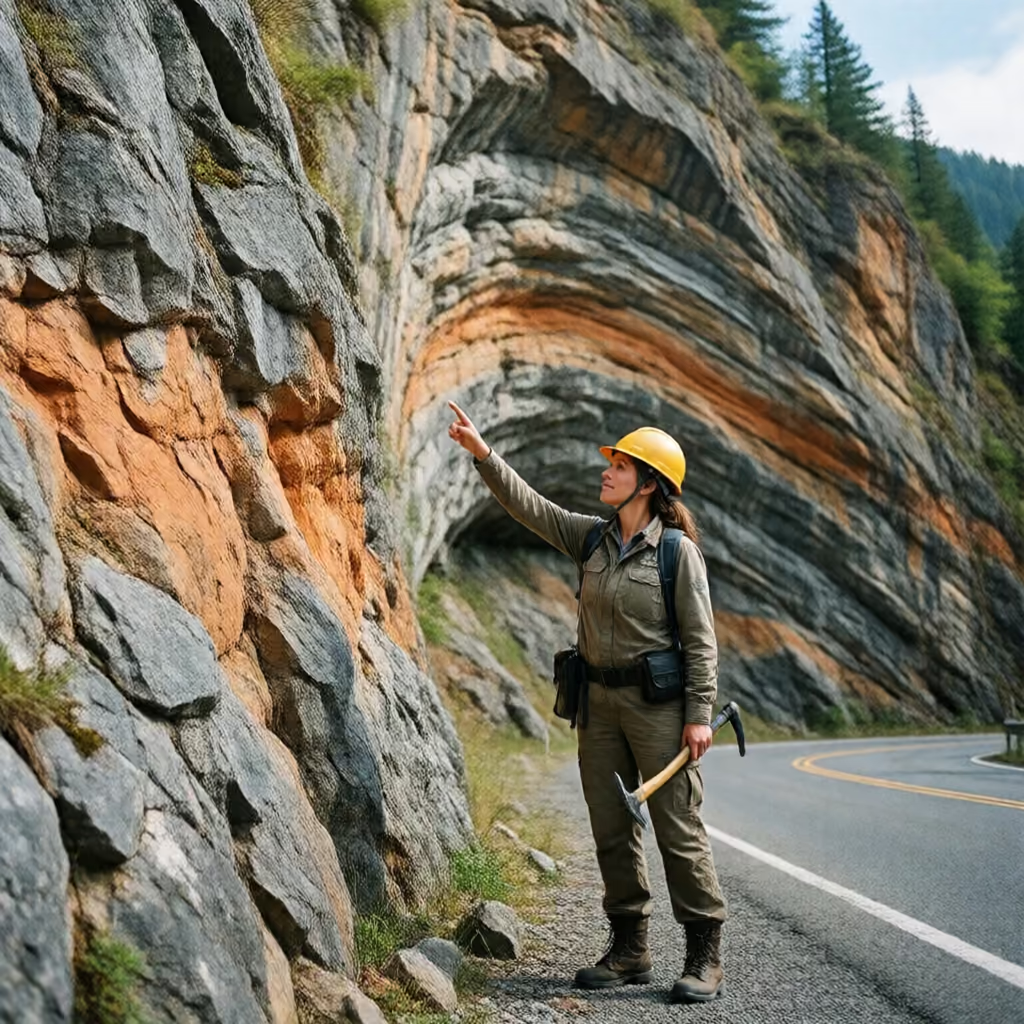
fold
In geology, a bend in originally flat-lying layers of rock, usually caused by lateral pressure in the Earth's crust.
An der Felswand ist eine große Falte in den Gesteinsschichten zu erkennen.
A large fold in the rock layers can be seen on the cliff face.
| gender | feminine die |
|---|---|
| plural | die Falten |
| genitive | der Falte |
| singular | plural | |
|---|---|---|
| nominative | die Falte | die Falten |
| accusative | die Falte | die Falten |
| dative | der Falte | den Falten |
| genitive | der Falte | der Falten |
The article changes with the case; it is shown in colour.
For skin, the collocations 'feine Falten' (fine wrinkles), 'tiefe Falten' (deep wrinkles), and 'Falten bekommen' (to develop wrinkles) are common. Use 'um die Augen' (around the eyes) or 'auf der Stirn' (on the forehead) to describe the location more precisely.
Er hat im Laufe der Jahre tiefe Falten auf der Stirn bekommen.
Over the years, he developed deep wrinkles on his forehead.
'Falten werfen' (to form folds) is a typical collocation for fabric. The fabric or item of clothing is the subject, so there is no need to mention a person performing the action.
Die Hose wirft an den Knien Falten.
The trousers form folds at the knees.
For intentionally formed folds in fabric, the pattern 'etwas in Falten legen' (to fold something into pleats) is often used. The piece of fabric is the accusative object.
Die Schneiderin legt den Stoff für den Rock in gleichmäßige Falten.
The dressmaker folds the fabric for the skirt into even pleats.
Learn 'die Stirn in Falten legen' (to furrow one's brow) as a complete expression. The person is the subject and 'die Stirn' (the forehead) is the accusative object; when referring to one's own forehead, the definite article is usually used.
Die Ärztin legte die Stirn in Falten, als sie die Ergebnisse las.
The doctor furrowed her brow as she read the results.
Words such as 'Gesteinsschichten' (rock layers), 'Erdkruste' (Earth's crust), and 'Gebirgsbildung' (mountain building) point to the geological meaning. This usage belongs to technical language and also appears in informational texts about landscapes.
Bei der Gebirgsbildung wurden die Gesteinsschichten zu großen Falten zusammengeschoben.
During mountain building, the rock layers were compressed into large folds.