


die Ferne
distant lands
A faraway place or area. It often refers to a region beyond one's own surroundings.
EXAMPLE
Sie träumte davon, in die Ferne zu reisen.
She dreamed of traveling to distant lands.
distance / distant lands
die Ferne, die Fernen
Loading your saved state.
distant lands
A faraway place or area. It often refers to a region beyond one's own surroundings.
Sie träumte davon, in die Ferne zu reisen.
She dreamed of traveling to distant lands.
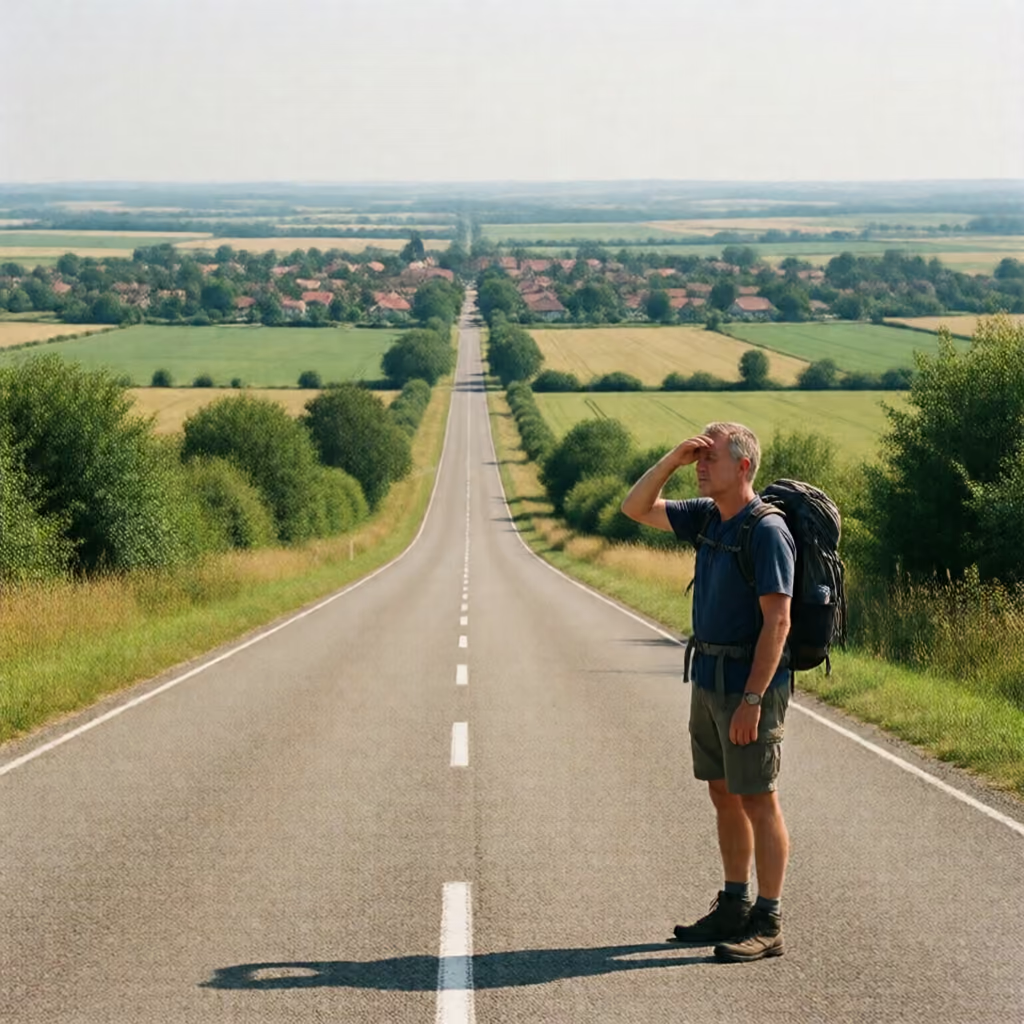
distance
A great physical distance between two places or people.
Aus der Ferne sah die Stadt im Abendlicht wunderschön aus.
From a distance, the city looked beautiful in the evening light.

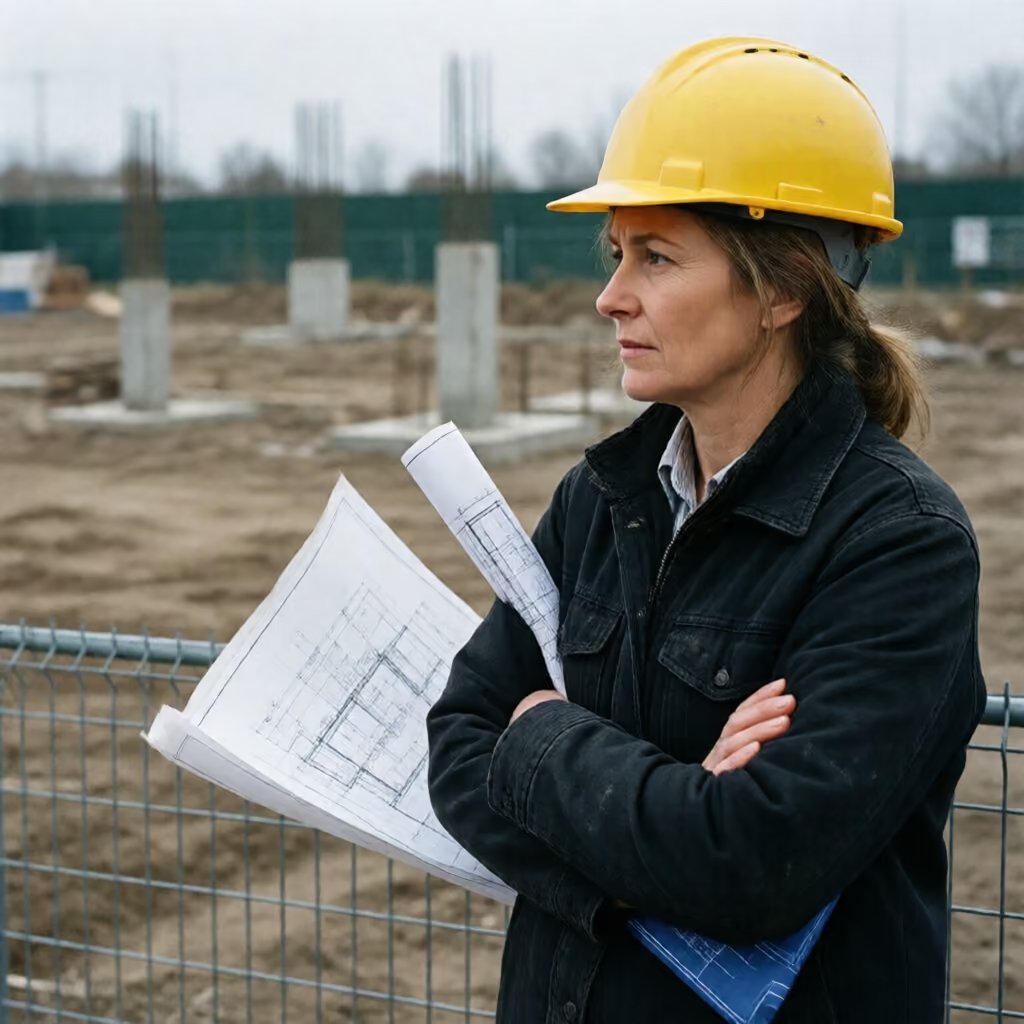
from a distance
Without being nearby or having personal contact; from a remote vantage point.
Er verfolgt die Entwicklung des Unternehmens nur aus der Ferne.
He only follows the company's development from a distance.
the distant future
A great distance in time, usually referring to an event in the future and less often to one in the past.
Der Abschluss des Projekts liegt noch in weiter Ferne.
The completion of the project still lies in the distant future.
| gender | feminine die |
|---|---|
| plural | die Fernen |
| genitive | der Ferne |
| singular | plural | |
|---|---|---|
| nominative | die Ferne | die Fernen |
| accusative | die Ferne | die Fernen |
| dative | der Ferne | den Fernen |
| genitive | der Ferne | der Fernen |
The article changes with the case; it is shown in colour.
'Ferne' (distance / distant lands) belongs to the word family of 'fern' (far) and makes the quality tangible as a noun. The word therefore often refers to a great physical or temporal distance or to faraway regions.
Die Ferne faszinierte ihn schon seit seiner Kindheit.
Distant lands had fascinated him ever since his childhood.
Fixed prepositions are especially important with 'Ferne' (distance / distant lands): 'in die Ferne' (into the distance / to distant lands) indicates a direction, 'in der Ferne' (in the distance) refers to a distant place, and 'aus der Ferne' (from a distance) indicates a remote vantage point. The preposition also determines the case.
Sie blickte in die Ferne.
She gazed into the distance.
In der Ferne waren die ersten Berge zu sehen.
In the distance, the first mountains could be seen.
Ihre Eltern helfen ihr aus der Ferne, so gut sie können.
Her parents help her from a distance as best they can.
When 'Ferne' (distant lands) refers to a faraway region or the idea of traveling, it is often used with verbs such as 'reisen' (to travel), 'ziehen' (to move) or 'locken' (to beckon). 'Sehnsucht nach der Ferne' (a longing for distant lands) is also a common expression.
Nach vielen Jahren in der Stadt wollte er in die Ferne ziehen.
After many years in the city, he wanted to move to distant lands.
In the meaning of a remote vantage point, 'aus der Ferne' (from a distance) is often used with verbs of perception and evaluation. Typical collocations include 'aus der Ferne beobachten' (to observe from a distance), 'aus der Ferne verfolgen' (to follow from a distance) and 'aus der Ferne beurteilen' (to assess from a distance).
Aus der Ferne lässt sich die Lage vor Ort nur schwer beurteilen.
The situation on site is difficult to assess from a distance.