

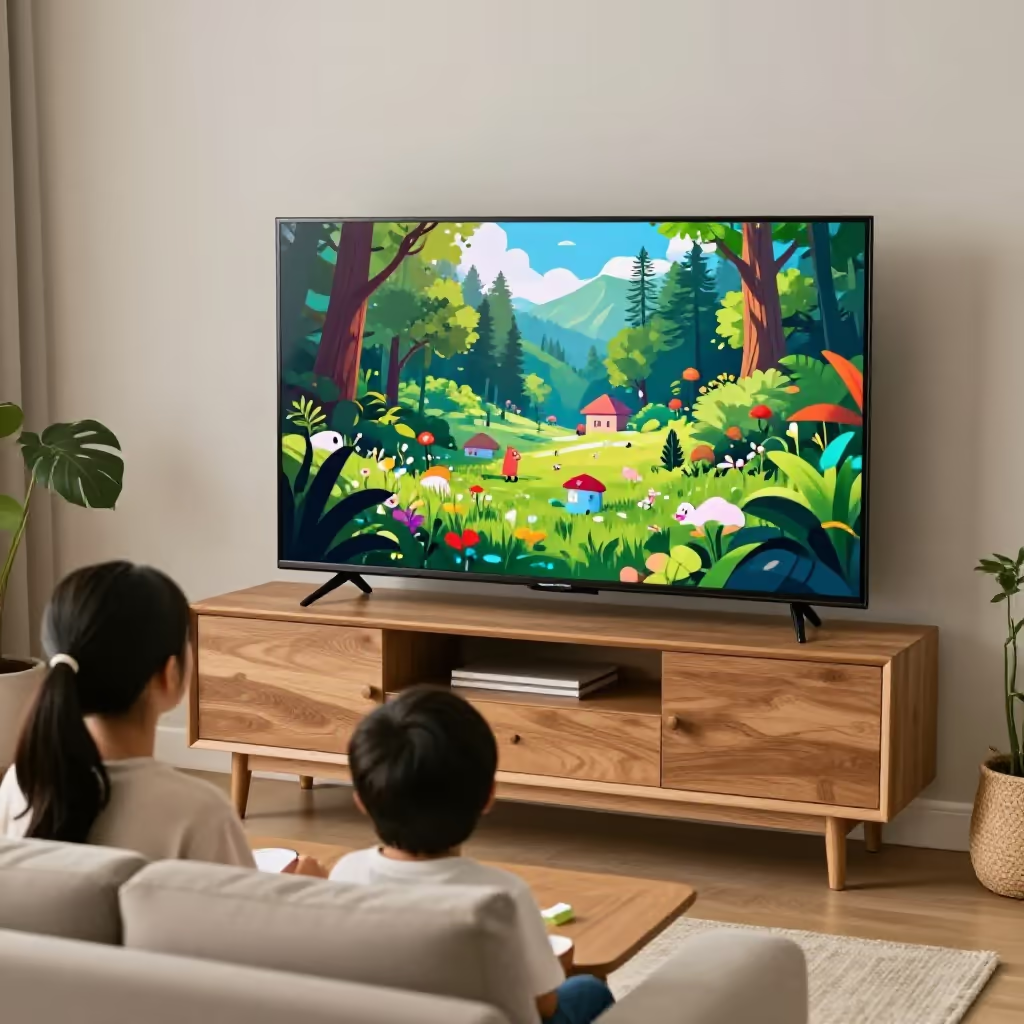
der Fernseher
television / TV
An electronic device with a screen that is used to receive and play television programs; a TV set.
EXAMPLE
Wir haben uns einen neuen, größeren Fernseher gekauft.
We bought ourselves a new, bigger television.
television
Loading your saved state.
television / TV
An electronic device with a screen that is used to receive and play television programs; a TV set.
Wir haben uns einen neuen, größeren Fernseher gekauft.
We bought ourselves a new, bigger television.
'Fernseher' is composed of 'fern' (far away) and 'sehen' (to see). The ending '-er' here refers to the device that makes the action possible. So a 'Fernseher' is literally a 'far-seer'.
Früher waren Fernseher große, schwere Kisten.
In the past, televisions were big, heavy boxes.
The word 'der Fernseher' always refers to the physical device. The activity of watching TV is expressed with the verb 'fernsehen' (to watch TV).
Der Fernseher ist kaputt, deshalb können wir heute Abend nicht fernsehen.
The television is broken, so we can't watch TV tonight.
Common verbs related to the device are 'den Fernseher einschalten' (to turn on the television), 'ausschalten' (to turn it off), or 'umschalten' (to change channels). 'Vor dem Fernseher sitzen' (to sit in front of the television) is also a very typical phrase.
Kannst du bitte den Fernseher etwas leiser machen?
Can you please turn the television down a bit?
screen
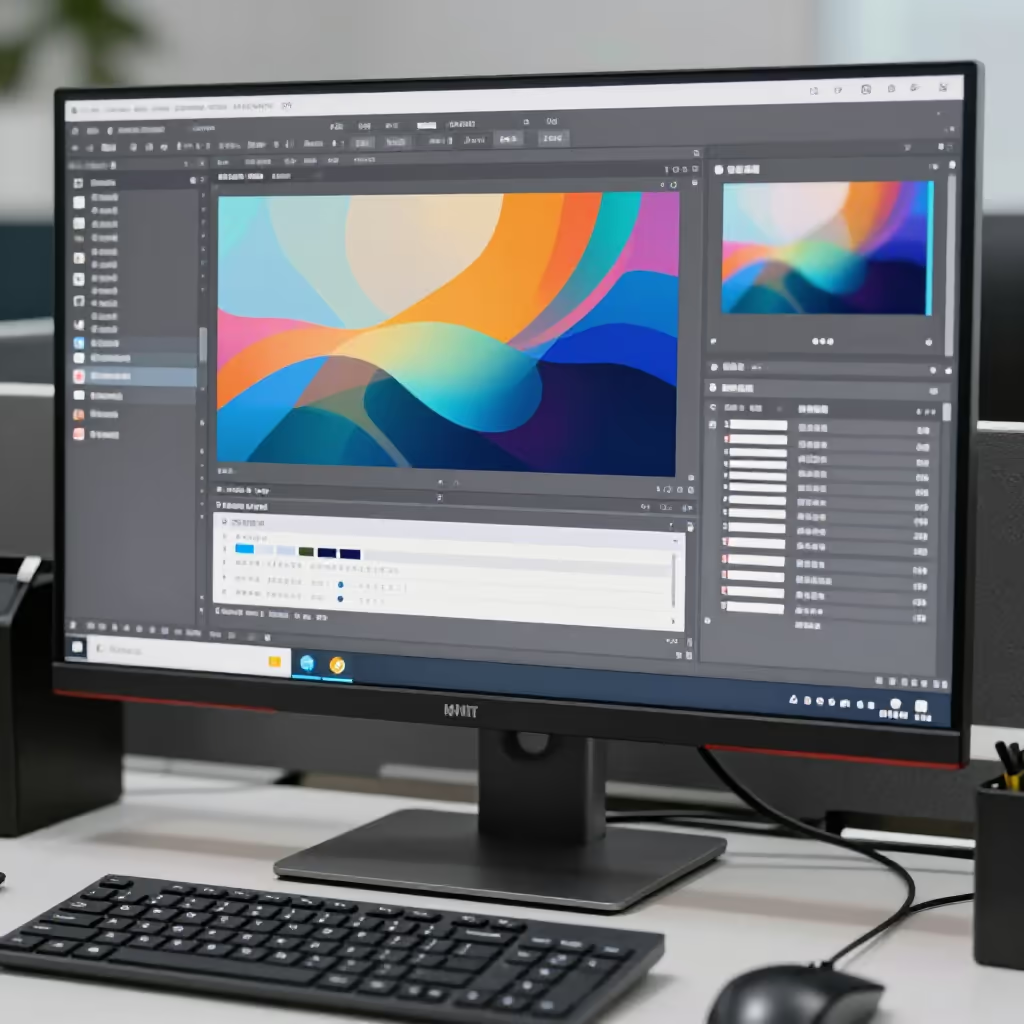
Der Fernseher is the complete device used to receive and display television programs. Der Bildschirm is only the illuminated surface on which the picture appears. Fernseher is appropriate when there is a problem with the entire device, while Bildschirm is used when the display itself is damaged.
Der Fernseher ist kaputt und empfängt keine Programme mehr.
The TV is broken and no longer receives any channels.
Der Bildschirm des Fernsehers ist gesprungen, aber der Ton funktioniert noch.
The TV screen is cracked, but the sound still works.