

feuern
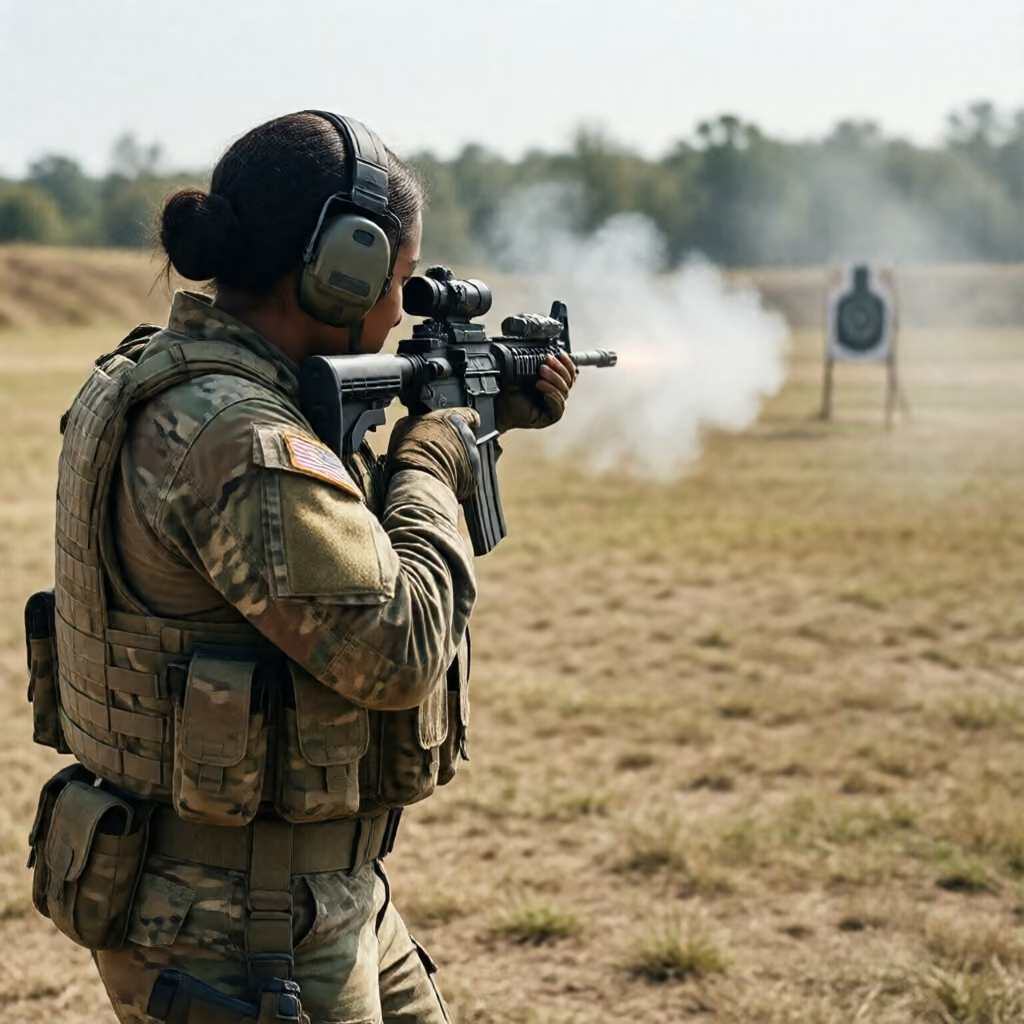
to fire
To shoot a weapon or fire a weapon.
EXAMPLE
Die Soldaten feuerten auf das feindliche Fahrzeug.
The soldiers fired at the enemy vehicle.
to fire
feuern – feuerte – hat gefeuert
Loading your saved state.
to fire
To shoot a weapon or fire a weapon.
Die Soldaten feuerten auf das feindliche Fahrzeug.
The soldiers fired at the enemy vehicle.

to fire someone
To terminate someone's employment, usually because they are not performing satisfactorily or have violated rules.
Der Chef hat ihn wegen wiederholter Verspätungen gefeuert.
The boss fired him because he was repeatedly late.
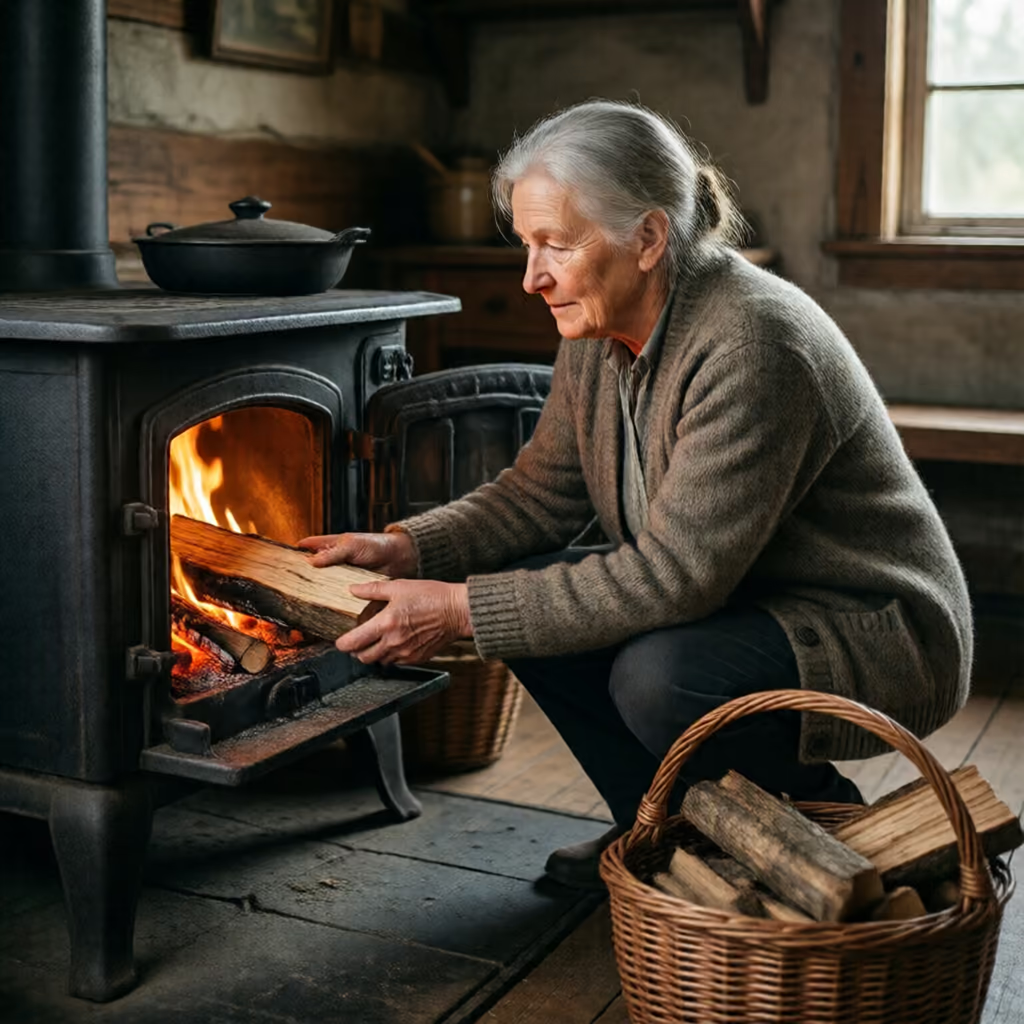
to fire
To supply a stove, heater, or other firebox with fuel and thereby generate heat.
Im Winter müssen wir den alten Ofen täglich feuern.
In winter, we have to stoke the old stove every day.

to hurl something
To throw or hurl something somewhere with force or momentum (colloquial).
Er feuerte seine Tasche in die Ecke.
He hurled his bag into the corner.
| ich | feuere feure |
|---|---|
| du | feuerst |
| er/sie/es | feuert |
| wir | feuern |
| ihr | feuert |
| sie | feuern |
| ich | feuerte |
|---|---|
| du | feuertest |
| er/sie/es | feuerte |
| wir | feuerten |
| ihr | feuertet |
| sie | feuerten |
| ich | habe gefeuert |
|---|---|
| du | hast gefeuert |
| er/sie/es | hat gefeuert |
| wir | haben gefeuert |
| ihr | habt gefeuert |
| sie | haben gefeuert |
| du | feuer! feuere!, feure! |
|---|---|
| ihr | feuert! |
| Sie | feuern Sie! |
| ich | hatte gefeuert |
|---|---|
| du | hattest gefeuert |
| er/sie/es | hatte gefeuert |
| wir | hatten gefeuert |
| ihr | hattet gefeuert |
| sie | hatten gefeuert |
| ich | werde feuern |
|---|---|
| du | wirst feuern |
| er/sie/es | wird feuern |
| wir | werden feuern |
| ihr | werdet feuern |
| sie | werden feuern |
| ich | feuere feure |
|---|---|
| du | feuerst |
| er/sie/es | feuere feure |
| wir | feuern |
| ihr | feuert |
| sie | feuern |
Used for reported speech.
| ich | feuerte |
|---|---|
| du | feuertest |
| er/sie/es | feuerte |
| wir | feuerten |
| ihr | feuertet |
| sie | feuerten |
Used for wishes and “would”.
| infinitive | feuern |
|---|---|
| with zu | zu feuern |
| present participle | feuernd |
| past participle | gefeuert |
The meaning of „feuern“ (to fire) can often be recognized from the words around it: weapons or targets point to shooting, a person as the object points to ending an employment relationship, and a stove or fuel points to generating heat. The context therefore determines which meaning is intended.
Die Polizei feuerte auf die Reifen des Fluchtwagens.
The police fired at the tires of the getaway car.
Nach mehreren Beschwerden feuerte die Firma den Mitarbeiter.
After several complaints, the company fired the employee.
In der alten Hütte wird noch mit Kohle gefeuert.
In the old cabin, they still heat with coal.
When referring to shooting, „feuern“ (to fire) is often used with „auf“ (at) and the accusative. The preposition indicates the target being shot at.
Der Jäger feuerte zweimal auf das Wildschwein.
The hunter fired at the wild boar twice.
In the meaning „jemandem die Arbeitsstelle kündigen“ (to terminate someone's employment), the person affected is in the accusative. In the passive voice, this person becomes the subject of the sentence.
Der Verein feuerte den Trainer nach dem verlorenen Finale.
The club fired the coach after the lost final.
Der Trainer wurde nach dem verlorenen Finale gefeuert.
The coach was fired after the lost final.
When referring to generating heat, „feuern“ (to fire) can be used with „mit“ (with) and a fuel. „Mit“ takes the dative.
Die Familie feuerte den Kamin mit trockenem Holz.
The family stoked the fireplace with dry wood.