

der Floh
flea
A small, wingless, jumping insect that feeds on the blood of mammals and birds.
EXAMPLE
Die Katze hat einen Floh, wir müssen sie behandeln.
The cat has a flea; we need to treat her.
flea
Loading your saved state.
flea
A small, wingless, jumping insect that feeds on the blood of mammals and birds.
Die Katze hat einen Floh, wir müssen sie behandeln.
The cat has a flea; we need to treat her.

to plant an idea
To talk someone into an idea or thought that they can no longer let go of and that occupies them intensely.
Mein Bruder hat mir mit seiner Weltreise-Idee einen Floh ins Ohr gesetzt.
My brother planted an idea in my head with his plan to travel around the world.
The word 'Floh' (flea) is the first part of the well-known word 'der Flohmarkt' (flea market). Originally, people thought that old clothes were sold at such markets that might have fleas in them.
Am Sonntag gehe ich gerne über den Flohmarkt, um alte Bücher zu suchen.
On Sundays I like to walk around the flea market to look for old books.
The idiom 'jemandem einen Floh ins Ohr setzen' (to plant an idea in someone's head) has a fixed structure. The person who gets the idea is always in the dative.
Er hat mir mit dem Vorschlag, ein Haus zu bauen, einen Floh ins Ohr gesetzt.
He planted an idea in my head with the suggestion of building a house.
In its literal meaning, 'der Floh' (the flea) is often used in the plural ('Flöhe', fleas) and in connection with pets such as dogs or cats.
Wir müssen zum Tierarzt, unser Hund hat Flöhe.
We need to go to the vet; our dog has fleas.
louse
A flea and a louse are both small, wingless parasites. A flea can jump and infests humans or animals, whereas a louse lives in the hair or on the skin of its host. The way it moves and its typical location help you choose the right word.
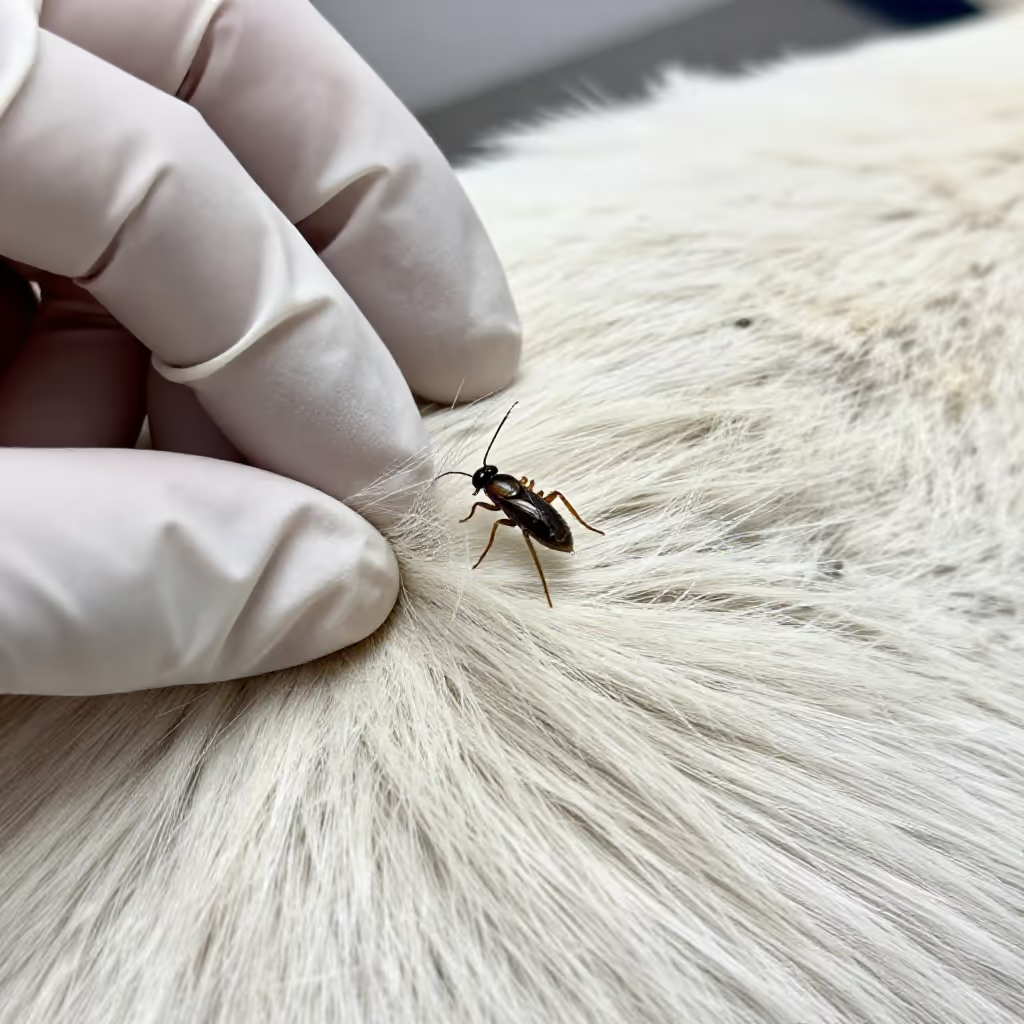
Im Fell des Hundes entdeckte die Tierärztin einen springenden Floh.
The veterinarian discovered a jumping flea in the dog's fur.
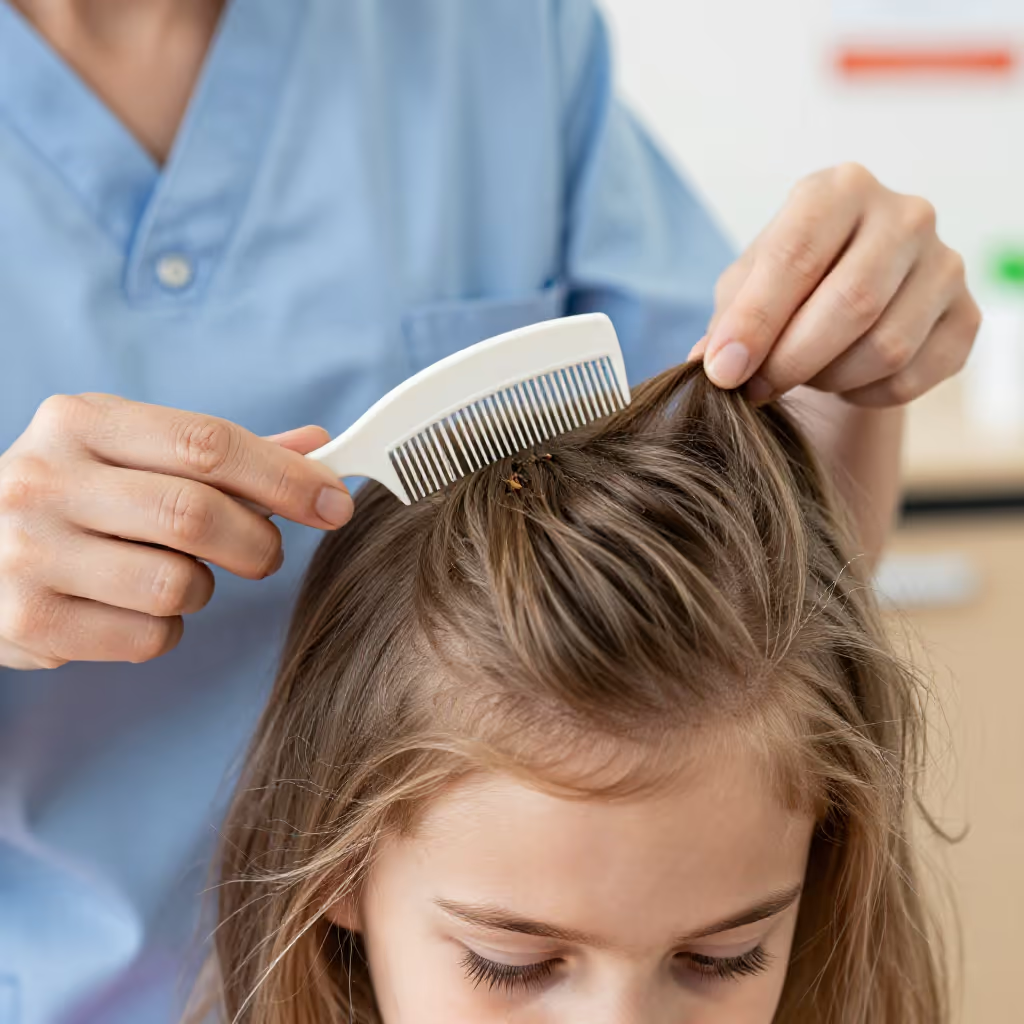
Im Haar des Kindes entdeckte die Ärztin eine fest sitzende Laus.
The doctor discovered a firmly attached louse in the child's hair.