

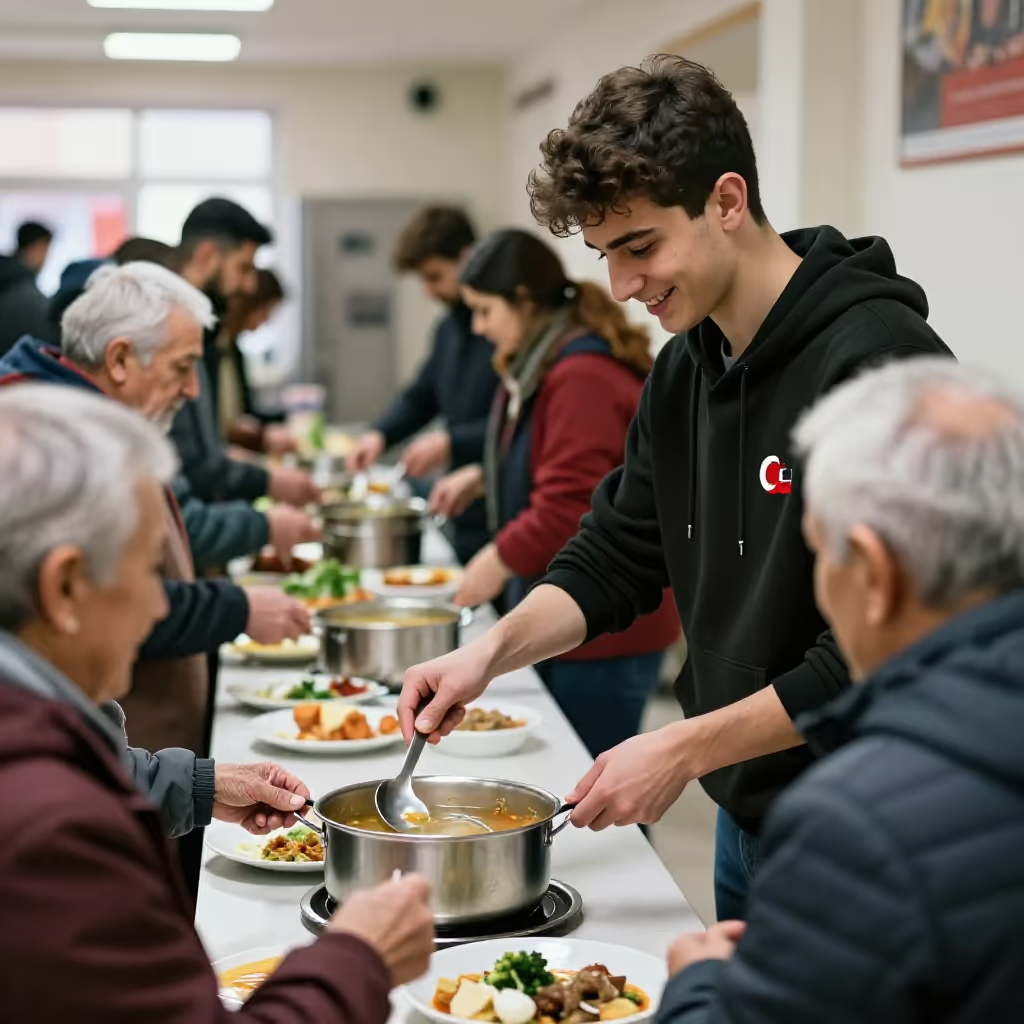
freiwillig
voluntary
Done of one's own free will and without coercion or payment.
EXAMPLE
Sie leistet freiwillige Arbeit in einem Tierheim.
She does voluntary work at an animal shelter.
voluntary
Loading your saved state.
voluntary
Done of one's own free will and without coercion or payment.
Sie leistet freiwillige Arbeit in einem Tierheim.
She does voluntary work at an animal shelter.
The word is made up of 'frei' (free) and 'Wille' (will). To do something 'freiwillig' (voluntarily) therefore means to do it of one's own free will.
Die Teilnahme am Kurs ist freiwillig.
Participation in the course is voluntary.
'Freiwillig' (voluntary / voluntarily) can stand not only as an adjective before a noun, but also as an adverb that describes a verb. It then answers the question 'How?'.
Er hat freiwillig beim Aufräumen geholfen.
He voluntarily helped with cleaning up.
Common combinations are 'freiwillige Arbeit' (voluntary work), 'die freiwillige Feuerwehr' (the volunteer fire department), or the action 'sich freiwillig melden' (to volunteer).
Viele junge Leute leisten einen freiwilligen Dienst im sozialen Bereich.
Many young people do voluntary service in the social sector.
voluntary
Freiwillig emphasizes that someone acts by their own choice and without coercion. Ehrenamtlich refers more specifically to voluntary, unpaid work serving a charitable, social, or public purpose. A single act of help can be freiwillig, whereas a regular role in an association is ehrenamtlich.
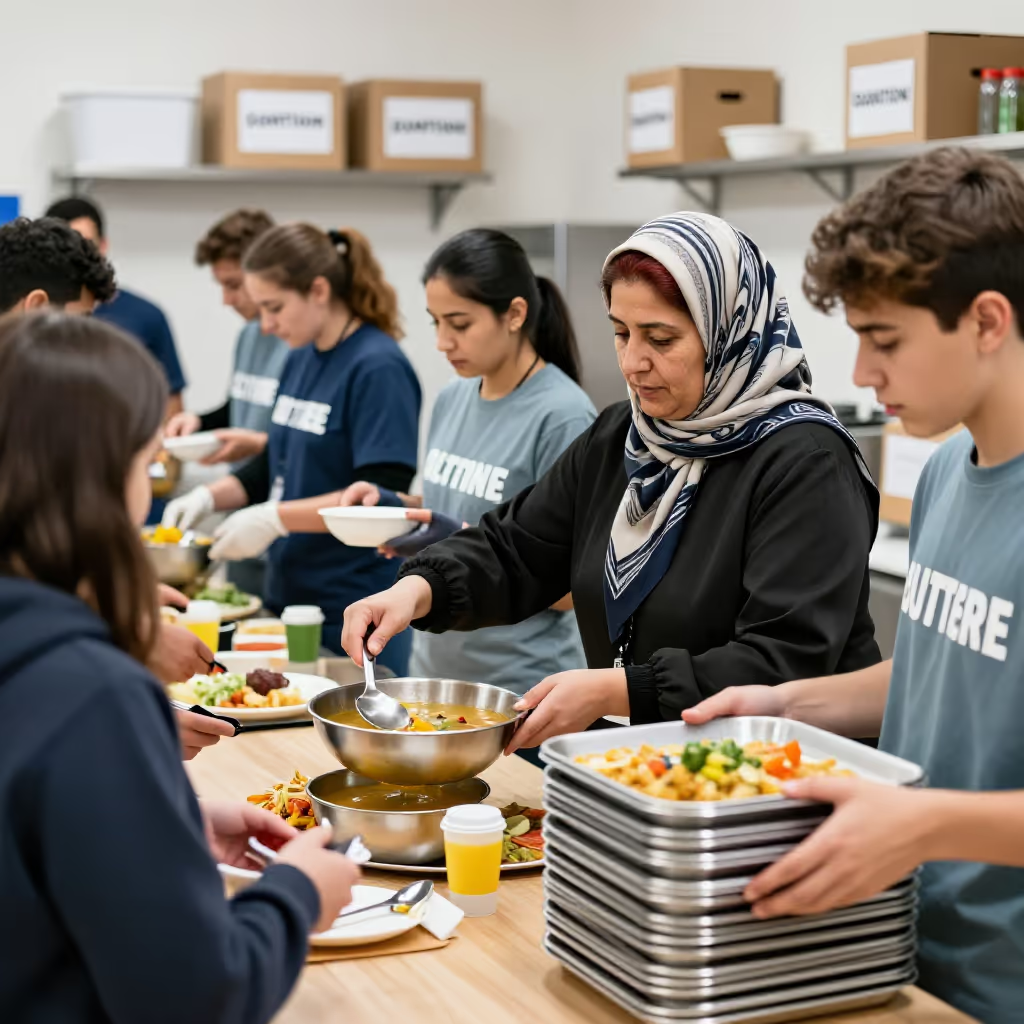
Lena hilft freiwillig beim Aufräumen nach dem Vereinsfest.
Lena is voluntarily helping clean up after the association's celebration.
Lena arbeitet ehrenamtlich als Jugendtrainerin im Verein.
Lena works as a volunteer youth coach at the association.