

die Frischluft
fresh air
Clean, unpolluted air, especially outdoors or in a well-ventilated room.
EXAMPLE
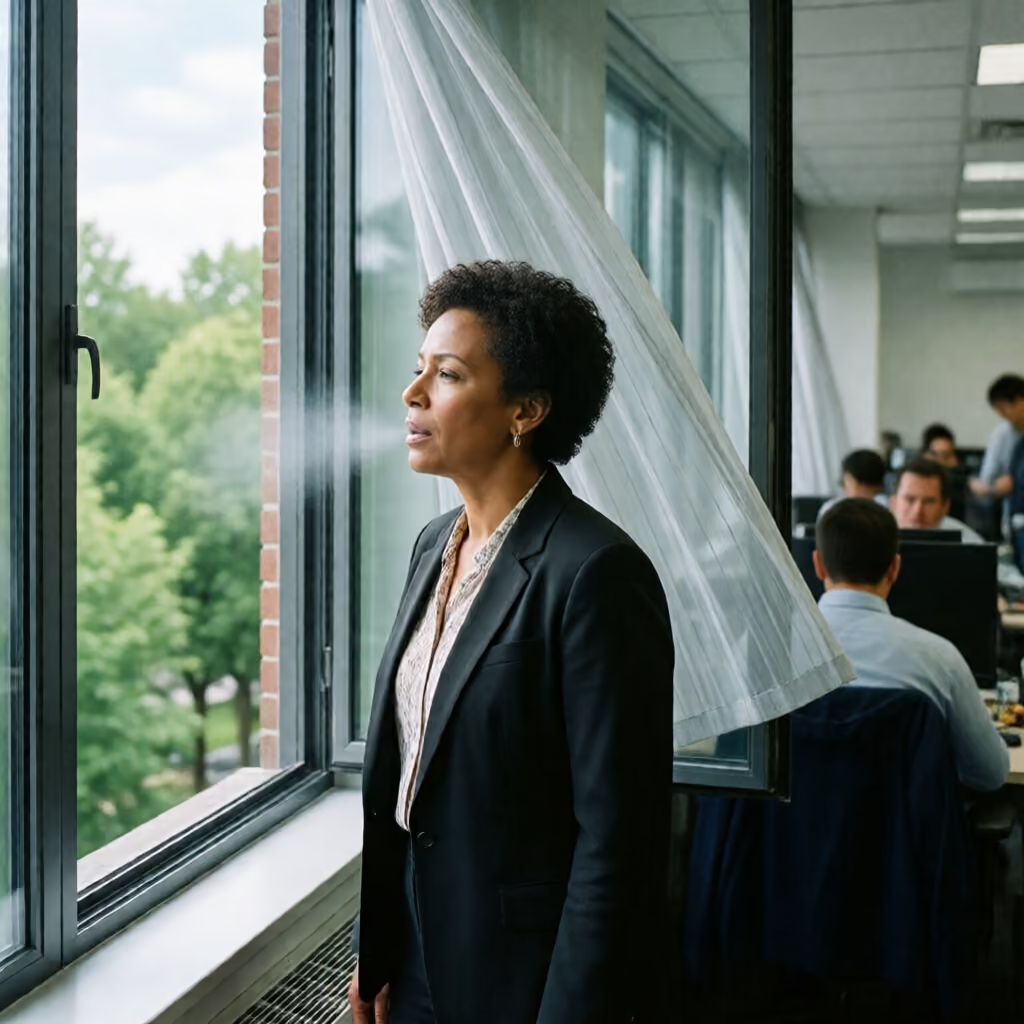
Nach mehreren Stunden im Büro brauchte ich dringend etwas Frischluft.
After several hours in the office, I urgently needed some fresh air.
fresh air
die Frischluft
Loading your saved state.
fresh air
Clean, unpolluted air, especially outdoors or in a well-ventilated room.
Nach mehreren Stunden im Büro brauchte ich dringend etwas Frischluft.
After several hours in the office, I urgently needed some fresh air.
| gender | feminine die |
|---|---|
| genitive | der Frischluft |
| singular | plural | |
|---|---|---|
| nominative | die Frischluft | – |
| accusative | die Frischluft | – |
| dative | der Frischluft | – |
| genitive | der Frischluft | – |
The article changes with the case; it is shown in colour.
'Frischluft' (fresh air) is made up of 'frisch' (fresh) and 'Luft' (air). The word therefore refers to air that is perceived as clean and unpolluted.
Nach dem langen Aufenthalt im Keller öffnete er das Fenster für etwas Frischluft.
After spending a long time in the basement, he opened the window to let in some fresh air.
Common collocations include 'Frischluft tanken' (to get some fresh air), 'für Frischluft sorgen' (to provide fresh air), and 'Frischluft hereinlassen' (to let fresh air in). In particular, 'Frischluft tanken' often describes taking a short break outdoors.
Nach der anstrengenden Besprechung gingen die Kollegen kurz nach draußen, um Frischluft zu tanken.
After the tiring meeting, the colleagues went outside for a moment to get some fresh air.
In fixed expressions, 'Frischluft' (fresh air) often appears without an article, for example after 'für' or with 'tanken'. When a specific supply of air is meant, 'die Frischluft' (the fresh air) can also be used.
Das geöffnete Fenster sorgt im Raum für Frischluft.
The open window provides fresh air in the room.
Durch die offene Tür strömte die Frischluft herein.
Fresh air flowed in through the open door.