

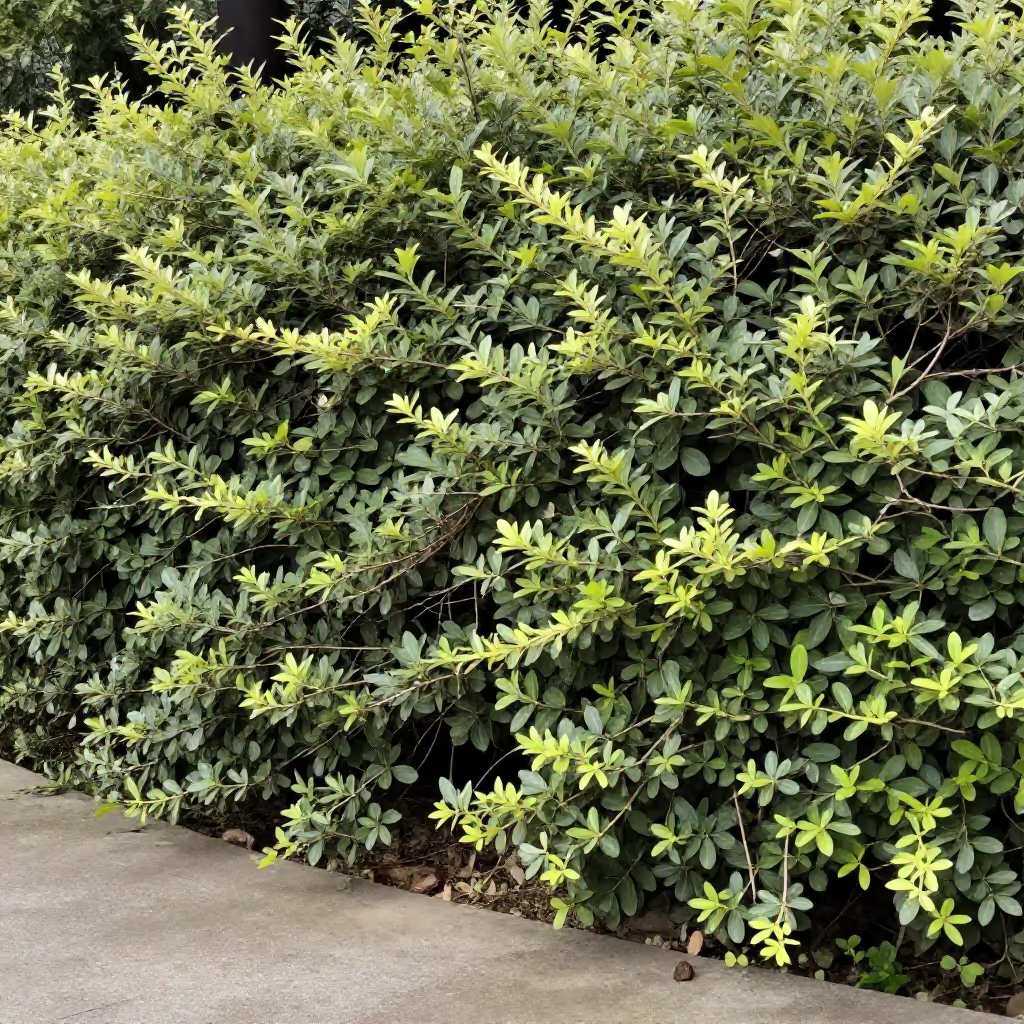
das Gebüsch
shrubbery
A group of bushes growing close together.
EXAMPLE
Die Katze versteckte sich im Gebüsch vor dem Hund.
The cat hid in the shrubbery from the dog.
shrubbery
Loading your saved state.
shrubbery
A group of bushes growing close together.
Die Katze versteckte sich im Gebüsch vor dem Hund.
The cat hid in the shrubbery from the dog.
The word 'Gebüsch' (shrubbery) is a collective noun formed with the prefix 'Ge-'. It is derived from 'der Busch' (a single bush) and describes a group of bushes. This prefix is often used for collective terms and changes the article to 'das'.
Ein einzelner Busch stand vor dem Haus, aber dahinter begann ein dichtes Gebüsch.
A single bush stood in front of the house, but behind it a dense shrubbery began.
Pay attention to the case after the preposition 'in'. You say 'im Gebüsch' (in the shrubbery; dative) when describing a location, and 'ins Gebüsch' (into the shrubbery; accusative) when describing movement toward it.
Der Igel schläft im Gebüsch.
The hedgehog is sleeping in the shrubbery.
'Gebüsch' (shrubbery) is often combined with verbs of hiding or appearing. Typical expressions are 'sich im Gebüsch verstecken' (to hide in the shrubbery), 'hinter dem Gebüsch lauern' (to lurk behind the shrubbery), or 'aus dem Gebüsch kommen' (to come out of the shrubbery).
Plötzlich sprang ein Reh aus dem Gebüsch auf die Straße.
Suddenly a deer jumped out of the shrubbery onto the road.
bush
A Busch is normally a single low, woody plant with several stems. Gebüsch, by contrast, refers to several bushes growing close together as a group. The key distinction is whether a single plant or dense vegetation is meant.
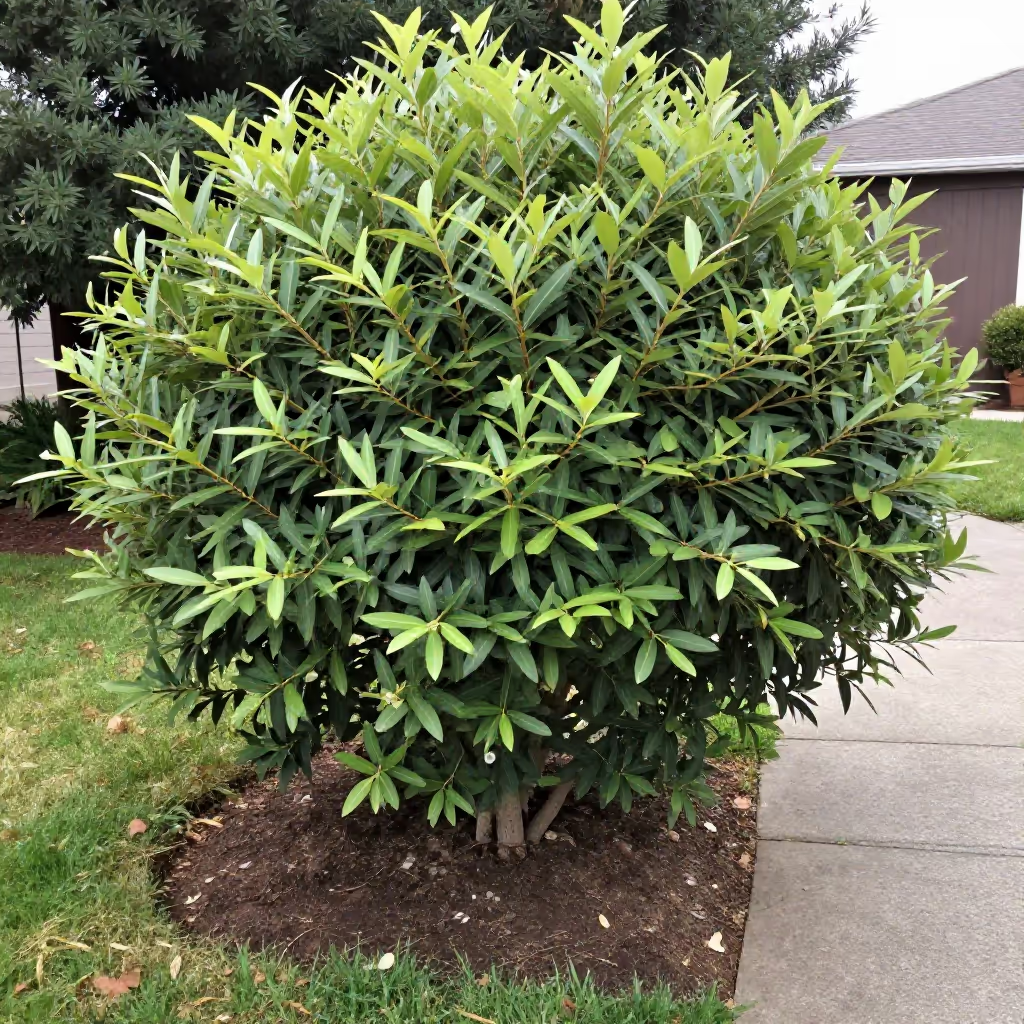
Hinter dem Haus wächst dichtes Gebüsch aus mehreren Sträuchern.
Dense shrubbery made up of several bushes is growing behind the house.
Hinter dem Haus wächst ein großer Busch.
A large bush is growing behind the house.