

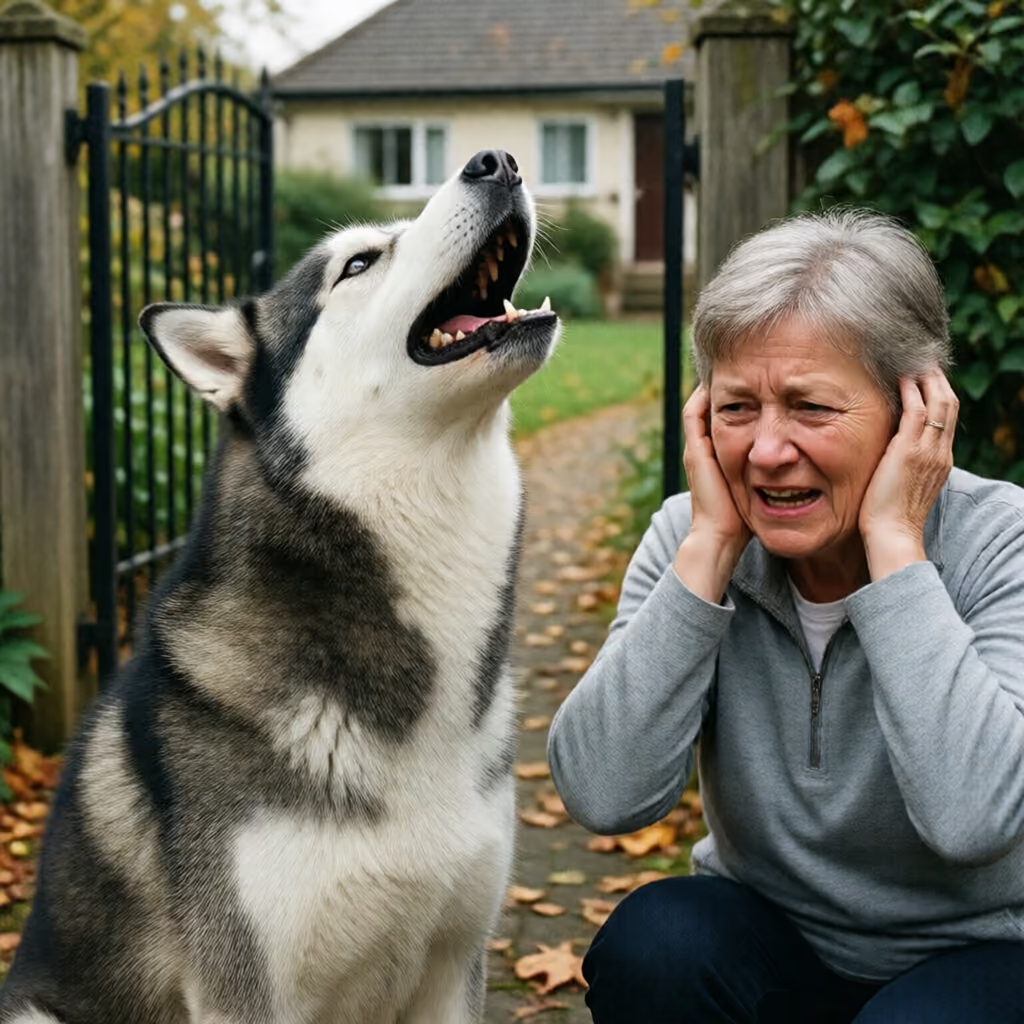
das Geheul
howling
Loud, sustained howling or screaming, especially by animals or people; it often sounds mournful or unpleasant.
EXAMPLE
Das Geheul der Wölfe war in der ganzen Nacht zu hören.
The howling of the wolves could be heard all night.
howling / wailing
das Geheul
Loading your saved state.
howling
Loud, sustained howling or screaming, especially by animals or people; it often sounds mournful or unpleasant.
Das Geheul der Wölfe war in der ganzen Nacht zu hören.
The howling of the wolves could be heard all night.
| gender | neuter das |
|---|---|
| genitive | des Geheules |
| singular | plural | |
|---|---|---|
| nominative | das Geheul | – |
| accusative | das Geheul | – |
| dative | dem Geheul | – |
| genitive | des Geheules des Geheuls | – |
The article changes with the case; it is shown in colour.
'Geheul' (howling) belongs to the word family of 'heulen' (to howl) and contains the stem 'heul-'. Here, the form with 'Ge-' refers to a sustained or repeated sound.
Das Geheul der Hunde weckte die Nachbarn.
The howling of the dogs woke the neighbors.
'Geheul' (howling) is often used with an expression that names the source of the sound, for example in the genitive or with 'aus' (from). Typical collocations include 'das Geheul der Wölfe' (the howling of the wolves), 'lautes Geheul' (loud howling), and 'Geheul ertönt' (howling can be heard).
Aus dem dunklen Wald drang lautes Geheul.
Loud howling came from the dark forest.
'Geheul' (howling) often sounds expressive and conveys a negative or annoyed attitude toward the sound. The word is therefore especially suitable for narrative, emotional, or critical situations.
Das ständige Geheul vor dem Fenster machte sie wütend.
The constant howling outside the window made her angry.