

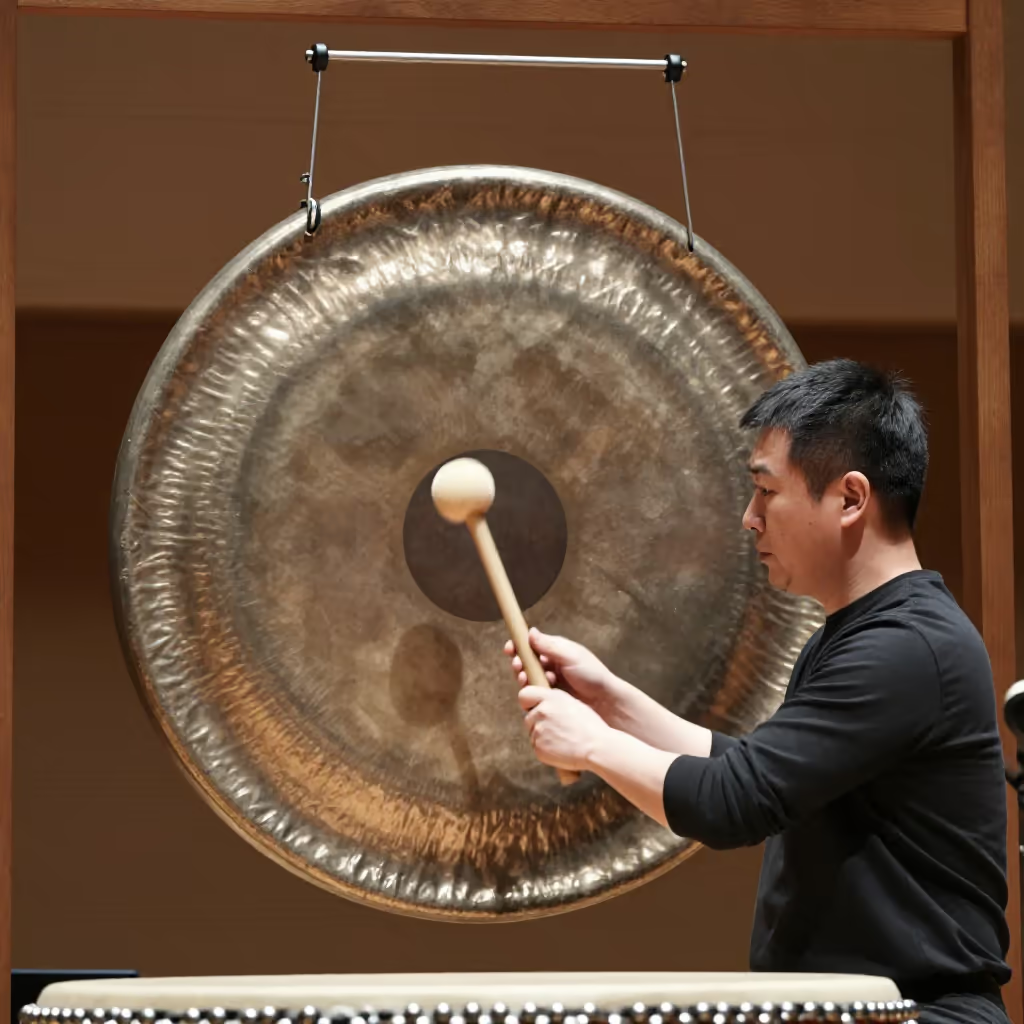
A large, disc-shaped percussion instrument made of metal that produces a long-lasting, vibrating sound when struck.
example
Der riesige Gong im Tempel wird nur zu besonderen Zeremonien geschlagen.
The huge gong in the temple is struck only for special ceremonies.
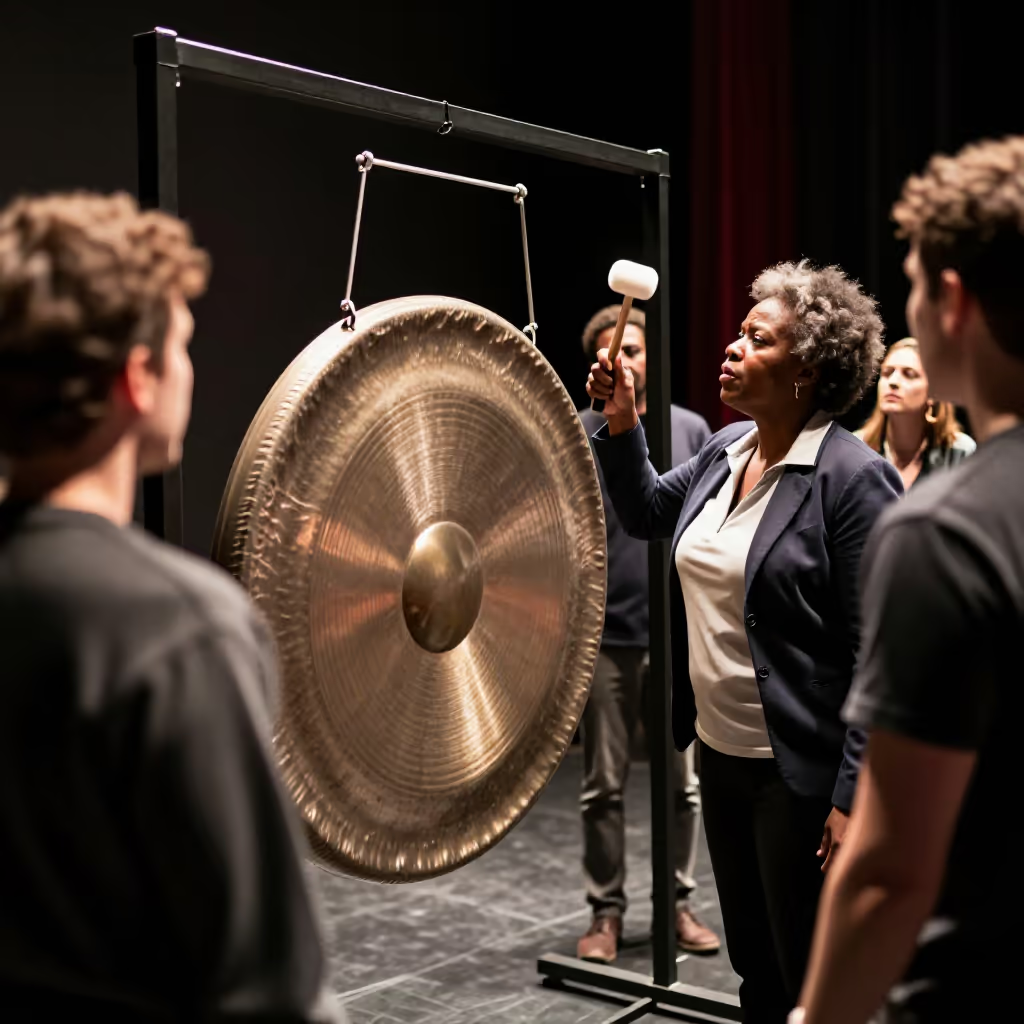
Usage tips
Context clues
The verb tells you whether the instrument or the sound is meant. The instrument is 'geschlagen' (struck), while the sound 'ertönt' (sounds/rings out) or 'gehört wird' (is heard).
EXAMPLE
Der Boxer wurde vom Gong gerettet.
The boxer was saved by the gong.
Onomatopoeia
The word 'Gong' is onomatopoeic. This means it imitates the sound the instrument makes. That can help you remember the word.
EXAMPLE
Gong! Die Stunde ist vorbei.
Gong! The lesson is over.
Function as a signal
When the sound is meant, the gong usually serves as a clear signal for a beginning or an end. Typical examples are the school break gong or the gong in a boxing match.
EXAMPLE
Als der Gong ertönte, wussten alle Schüler, dass die Pause vorbei war.
When the gong sounded, all the students knew that the break was over.
Compare with
confusable
Gong vs Becken
basin / pelvis / cymbal
'das Becken' and 'der Gong' can both be metal percussion instruments. However, they do not look the same and are played differently. 'Becken' often consists of two metal discs, or a single disc on a drum kit; it usually has a bright, short sound. A 'Gong' is a large metal disc that is struck and continues to resonate for a long time. The words can be confused because both are struck in music and are made of metal. If you are talking about a drum kit, 'Becken' is usually correct. If you mean a deep, long signal tone, 'Gong' fits.
Gong
Zum Beginn der Vorstellung ertönt ein tiefer Gong im Saal.
At the beginning of the performance, a deep gong sounds in the hall.
Becken
Der Schlagzeuger schlägt am Ende des Liedes kräftig auf das Becken.
At the end of the song, the drummer strikes the cymbal forcefully.