

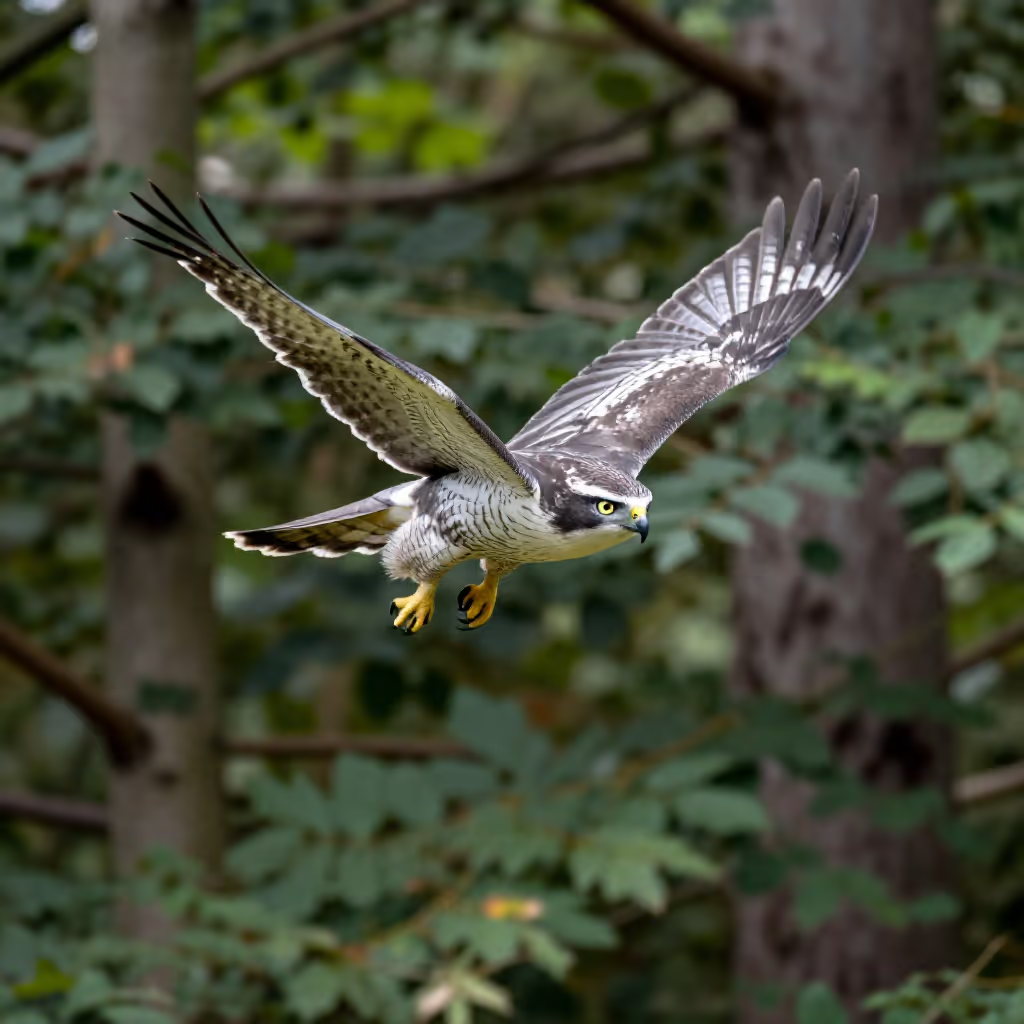
A medium-sized bird of prey with short, broad wings and a long tail, known for its fast and agile hunting flights.
example
Plötzlich schoss ein Habicht vom Himmel herab und griff sich seine Beute.
Suddenly, a hawk shot down from the sky and seized its prey.
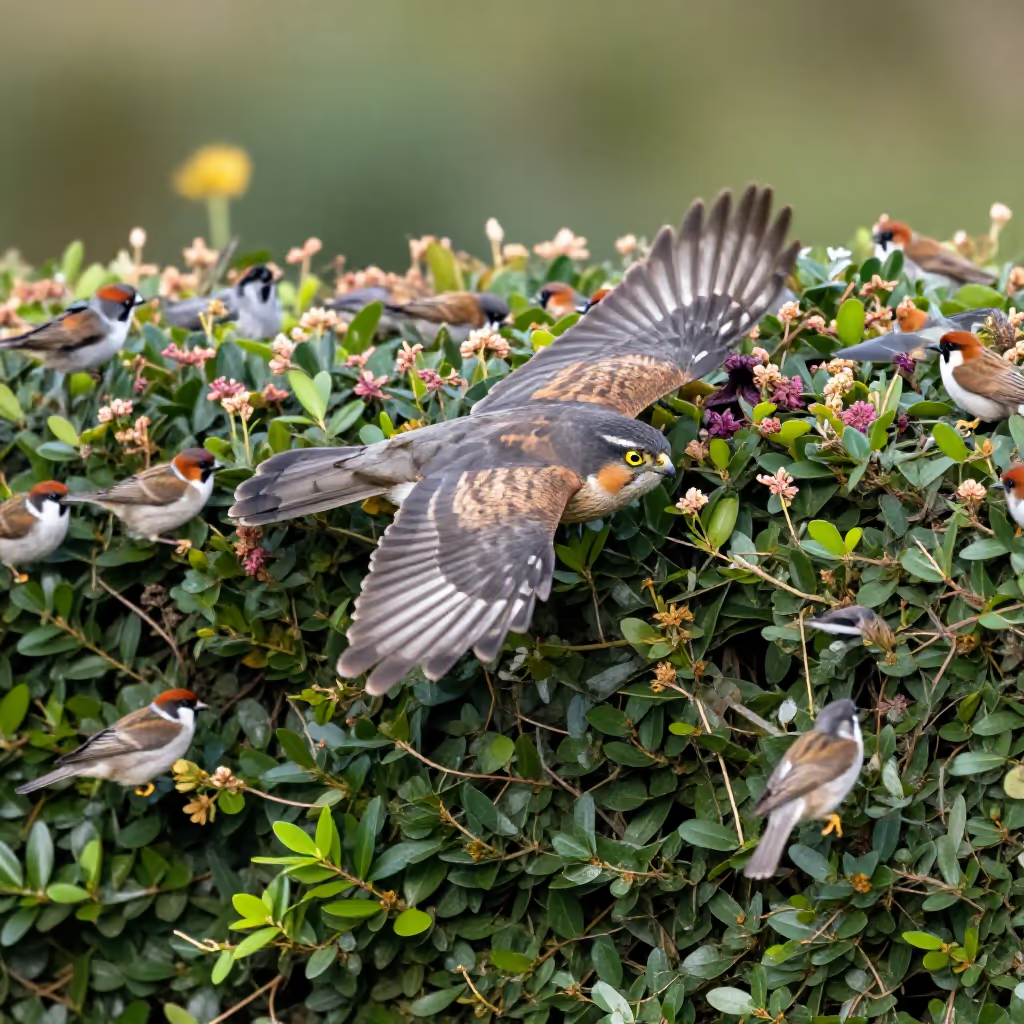
Usage tips
Fixed expression
The idiom 'Augen wie ein Habicht haben' (to have eyes like a hawk) means that someone can see very well and sharply. It is often used to describe a very observant person.
EXAMPLE
Dem Lehrer entgeht nichts, er hat Augen wie ein Habicht.
The teacher doesn't miss a thing; he has eyes like a hawk.
Typical verbs
As a bird of prey, the hawk is often associated with verbs of hunting and movement in the air. Typical verbs are 'kreisen' (to circle), 'jagen' (to hunt), or 'sich auf etwas stürzen' (to swoop down on something).
EXAMPLE
Der Habicht kreiste lange über dem Feld, bevor er sich auf eine Maus stürzte.
The hawk circled over the field for a long time before swooping down on a mouse.
Figurative use
In a figurative sense, especially in politics or business, 'Habicht' (hawk) can refer to a person who advocates an aggressive, confrontational stance. People then speak of a 'politischer Habicht' (political hawk).
EXAMPLE
In der Debatte über den Militäreinsatz setzten sich die Habichte durch.
In the debate about the military operation, the hawks prevailed.
Compare with
confusable
Habicht vs Adler
eagle
'der Adler' and 'der Habicht' are both birds of prey. 'der Adler' is usually larger and is often associated with soaring flight and great strength. 'der Habicht' is medium-sized, very agile, and often hunts quickly between trees or near fields. Learners may confuse the words because both birds hunt and have strong talons. 'Adler' is more natural for a particularly large bird of prey; 'Habicht' refers to a smaller, agile species.
Habicht
Ein Habicht flog schnell durch den Garten und verschwand hinter den Bäumen.
A hawk flew quickly through the garden and disappeared behind the trees.
Adler
Auf dem Foto breitet der Adler seine großen Flügel aus.