

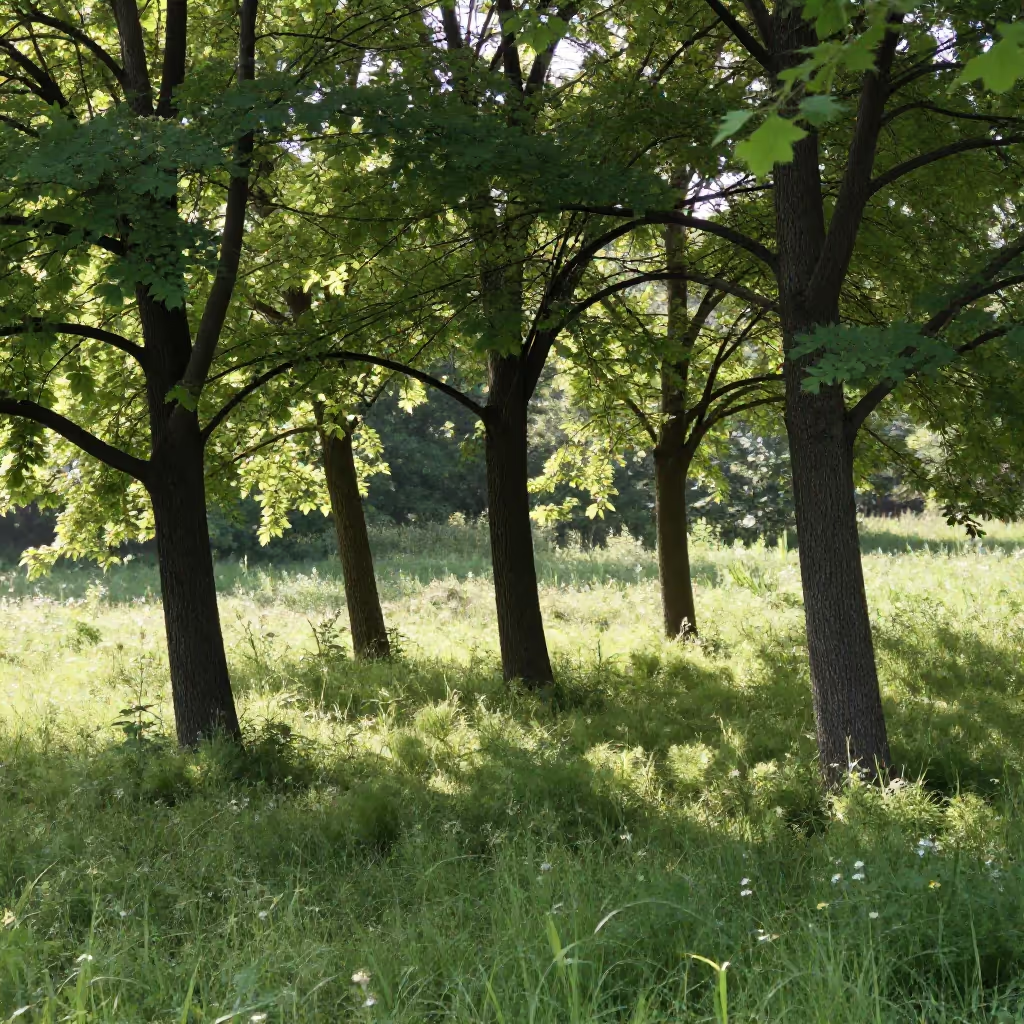
der Hain
grove
A small group of trees or a small woodland. The term is often used in a poetic, elevated, or idyllic sense.
Hinter dem alten Bauernhaus lag ein stiller Hain aus Eichenbäumen.
Behind the old farmhouse lay a quiet grove of oak trees.
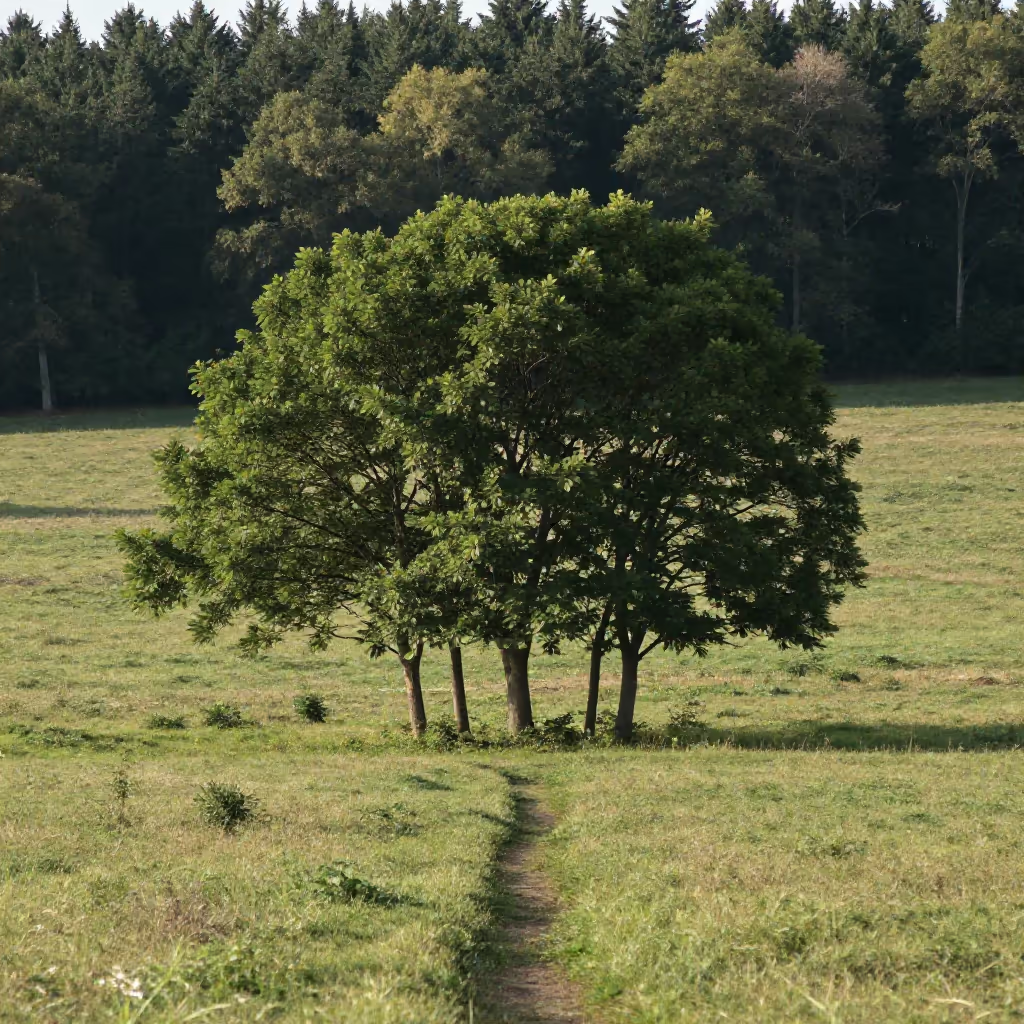
grove
Loading your saved state.
grove
A small group of trees or a small woodland. The term is often used in a poetic, elevated, or idyllic sense.
Hinter dem alten Bauernhaus lag ein stiller Hain aus Eichenbäumen.
Behind the old farmhouse lay a quiet grove of oak trees.

'Hain' (grove) is a word from elevated or poetic language. In normal everyday speech, it is rarely used to describe a small wooded area.
Der Dichter spazierte durch den schattigen Hain.
The poet walked through the shady grove.
The term is often used in myths, legends, and historical contexts. A 'heiliger Hain' (sacred grove) was a place for religious ceremonies in ancient cultures.
In der germanischen Mythologie gab es heilige Haine für die Götter.
In Germanic mythology, there were sacred groves for the gods.
'Hain' (grove) is often combined with adjectives such as 'heilig' (sacred), 'still' (quiet), or 'schattig' (shady). It can also be combined with tree species to form compounds such as 'Eichenhain' (oak grove) or 'Birkenhain' (birch grove).
Sie fanden einen stillen Eichenhain für ihr Picknick.
They found a quiet oak grove for their picnic.
forest
'der Wald' and 'der Hain' both have to do with several trees in one place. 'Wald' is the normal word for a large, densely wooded area. 'Hain' more often means a small group of trees or a small wood, and it often sounds poetic or elevated. In everyday language, you almost always say 'Wald' when you mean a normal place to go for a walk. 'Hain' fits better in literary, quiet, or idyllic descriptions.

Neben der alten Kapelle liegt ein kleiner Hain mit hellen Birken.
Next to the old chapel there is a small grove with bright birch trees.
Du kannst morgen mit den Kindern in den Wald gehen.
You can go to the forest with the children tomorrow.